India Parliament Calls for Autism Empowerment, Not Just Aid
India's top parliamentary leader is urging the nation to move beyond simply accommodating autistic individuals and instead fully empower them as valued contributors to society. The call came on World Autism Awareness Day, backed by strong laws but a push for better implementation.
India's Parliament sent a powerful message to its 1.4 billion people: autistic individuals deserve more than accommodation. They deserve empowerment.
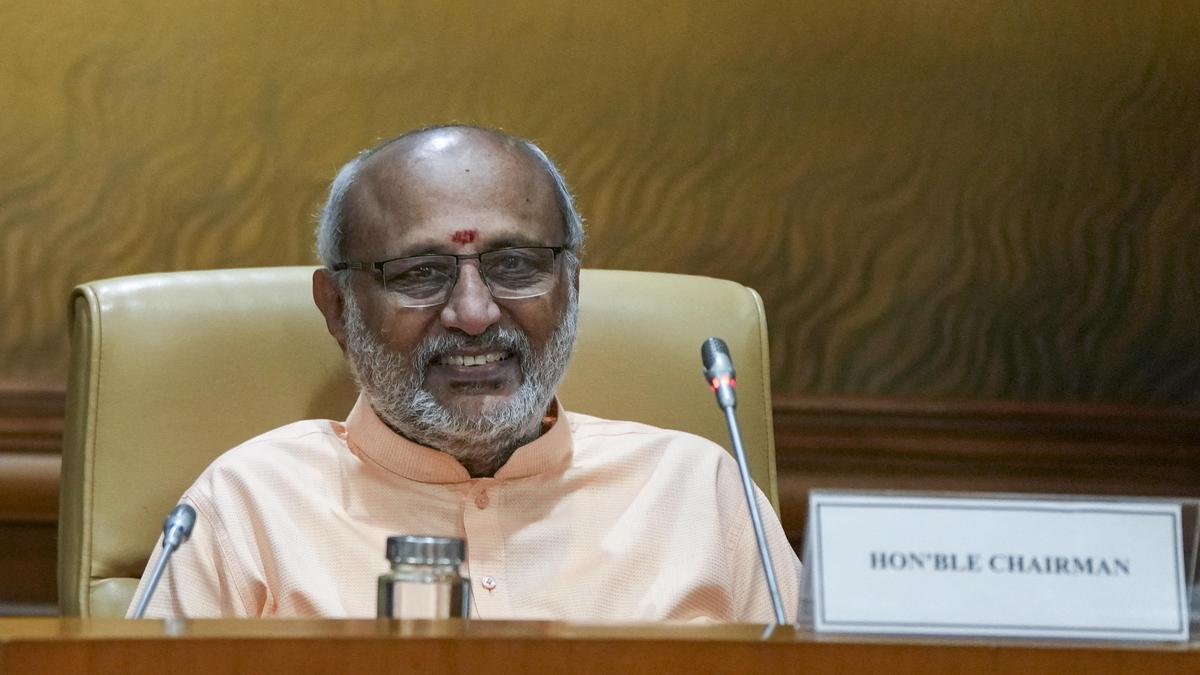
Rajya Sabha Chairman C.P. Radhakrishnan addressed lawmakers on World Autism Awareness Day with a vision that reframes how the nation views neurodiversity. Rather than treating autism as something to tolerate, he called for recognizing autistic people as vital community members with unique strengths that enrich society.
"Individuals on the spectrum possess distinctive strengths and capabilities which, with appropriate support and opportunities, can greatly enrich our society," Radhakrishnan told the House. His words align with this year's UN theme focusing on neurodiversity and sustainable development.
India already has robust legal protections in place. The Rights of Persons with Disabilities Act from 2016 and the National Trust Act from 1999 create a strong framework for supporting autistic citizens.
But Radhakrishnan didn't stop at celebrating existing laws. He acknowledged a critical gap: laws only work when their benefits actually reach people who need them.
The Ripple Effect
The chairman's call for action goes beyond policy papers. He outlined concrete steps including early diagnosis programs, inclusive education systems, skill training opportunities, and community awareness campaigns.
These practical measures could transform how millions of Indian families experience autism support. Early diagnosis means earlier intervention. Inclusive education means autistic children learn alongside peers. Skill training opens doors to meaningful employment.
The timing matters too. As the world's most populous nation continues rapid development, building inclusivity into growth plans now prevents having to retrofit accessibility later.
"An inclusive society is strengthened when every citizen, irrespective of ability, is given the opportunity to contribute and succeed," Radhakrishnan said. His message recognizes what research consistently shows: neurodiverse teams bring creative problem-solving and innovation.
The speech represents a shift from viewing autism through a deficit lens to celebrating neurodiversity as human diversity. This perspective change, coming from Parliament's highest levels, signals that India's autism community has powerful allies in creating systemic change.
When nations embrace all their citizens' potential, everyone wins.
Based on reporting by The Hindu
This story was written by BrightWire based on verified news reports.
Spread the positivity!
Share this good news with someone who needs it