India Plans 174 GW Energy Storage by 2036
India is tackling a big challenge as it leads the world in clean energy growth: storing solar and wind power for when the sun sets and wind stops. The country just announced an ambitious plan to increase its energy storage capacity from just 7.5 GW today to 174 GW within a decade.
India is solving one of renewable energy's biggest puzzles, and the solution could light the way for countries worldwide.
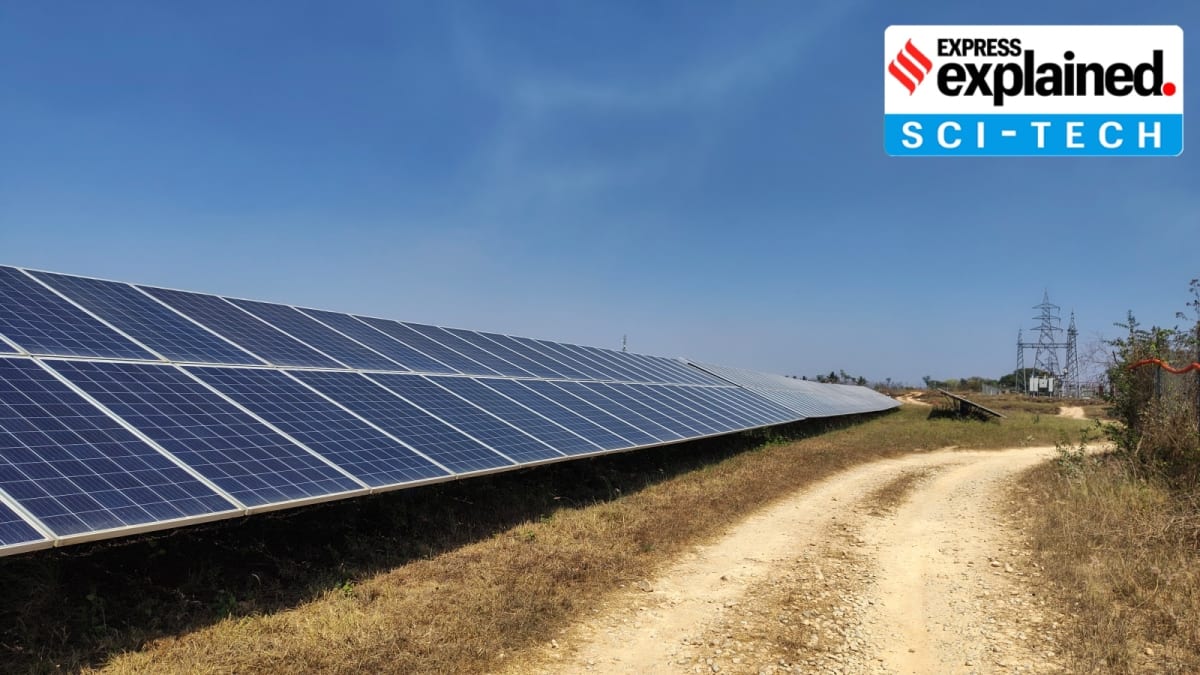
As the nation races toward its climate goals, it faces a challenge familiar to anyone with rooftop solar panels: what happens when the sun goes down? With renewable sources now making up 53% of India's total power capacity and solar alone contributing over 150 GW, the country is learning that generating clean energy is only half the battle.
The real breakthrough is what comes next. India just unveiled plans to scale its energy storage capacity to a massive 174 GW by 2036, up from just 7.5 GW today. That's enough storage to power hundreds of millions of homes during peak evening hours when solar panels go dark but families turn on lights, cook dinner, and cool their homes.
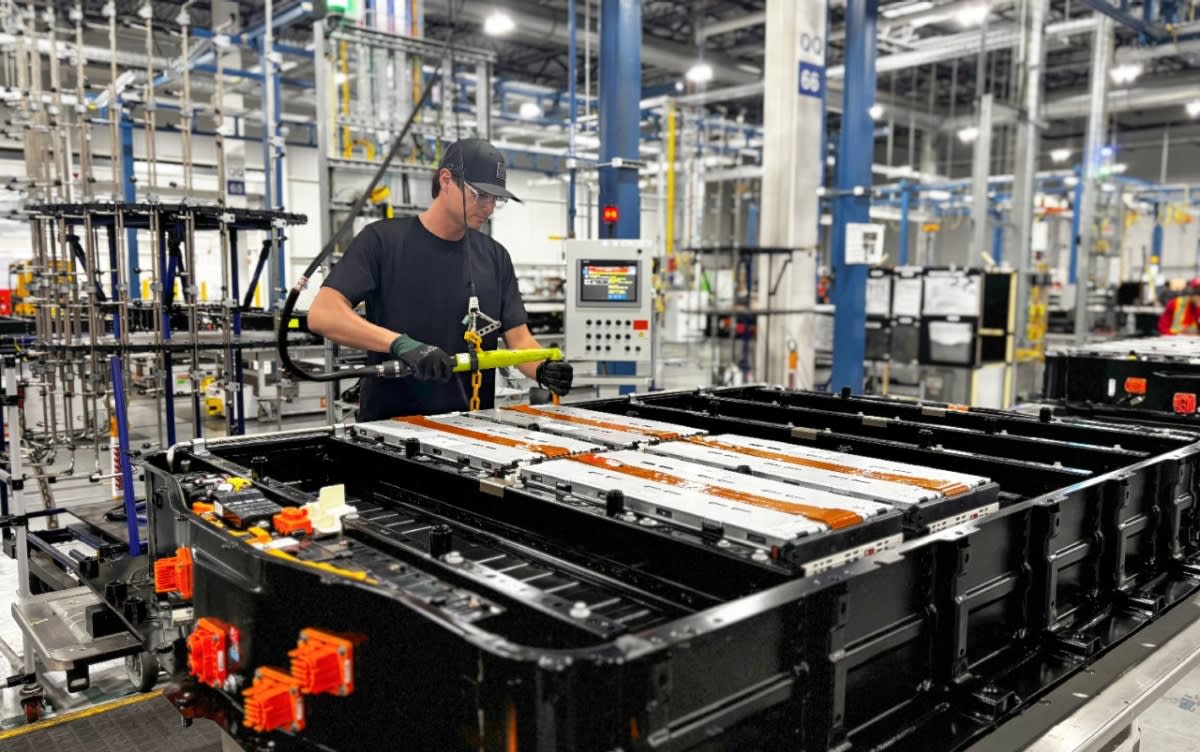
The strategy relies on two proven technologies working together. Pumped hydro storage will contribute 94 GW by using excess electricity to pump water uphill, then releasing it through turbines when demand spikes. Battery systems will add another 80 GW, storing electricity chemically and releasing it within seconds when the grid needs it most.
Think of it like a giant power bank for an entire nation. During sunny afternoons when solar farms produce more electricity than people need, the excess charges massive batteries and pumps water to elevated reservoirs. When evening arrives and millions of people come home from work, that stored energy flows back into homes and businesses.
The Ripple Effect
This isn't just about keeping the lights on in India. The country's aggressive storage buildout is driving down costs for battery technology worldwide, making clean energy storage more affordable for everyone. As India scales up production and deployment, the benefits cascade to smaller nations trying to make the same transition.
The plan also creates a model other developing countries can follow. By prioritizing storage systems that last four to six hours, India is showing how to match renewable energy supply with real world demand patterns without relying on fossil fuel backup.
India's renewable energy capacity is projected to nearly triple from 283 GW today to 786 GW by 2036. With storage infrastructure finally catching up to generation capacity, the country is proving that intermittent renewable energy can reliably power a growing economy of 1.4 billion people without compromise.
Based on reporting by Indian Express
This story was written by BrightWire based on verified news reports.
Spread the positivity!
Share this good news with someone who needs it