India Preps Rescue Teams After Nepal Floods
When floods swept through Nepal, India's disaster response teams jumped into action along the border. Now trained rescue crews are standing ready 24/7 to help anyone who needs them.
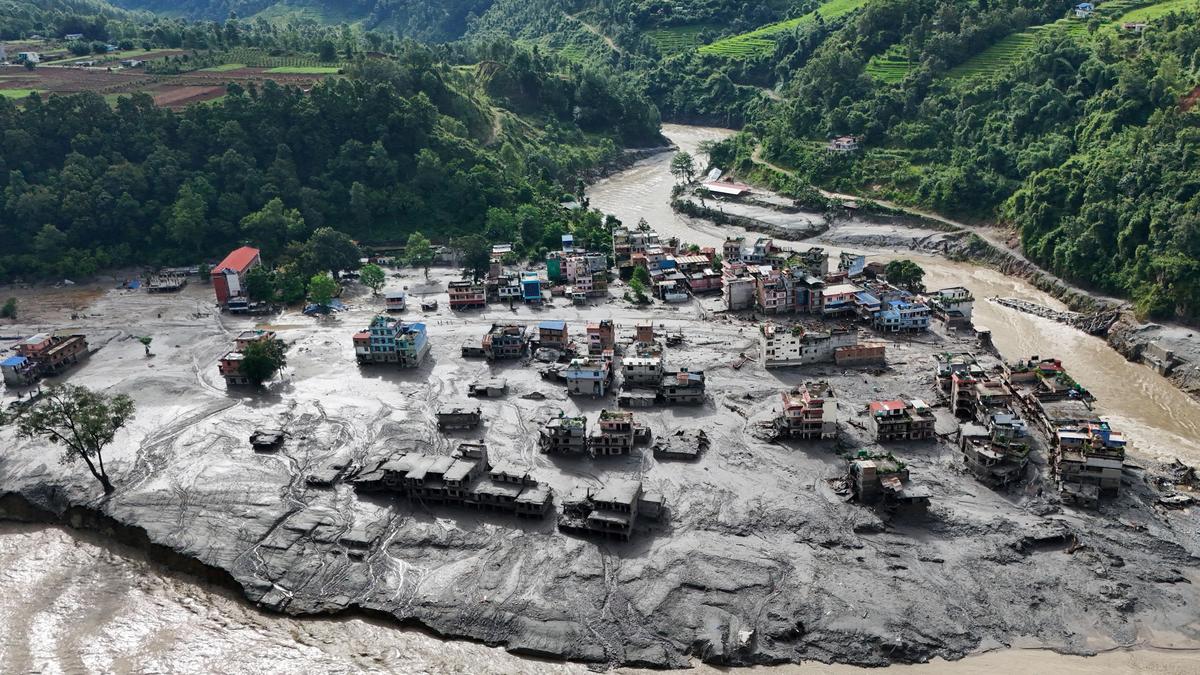
When severe flooding hit neighboring Nepal this week, India's State Disaster Response Force didn't wait to see what would happen next. They immediately mobilized teams along the border in Uttarakhand's Champawat district, proving that good neighbors show up when it matters most.
The SDRF placed its Tanakpur post on high alert under Commandant Arpan Yaduvanshi's direction. Teams are now patrolling the Sharda River banks around the clock, watching water levels and keeping vulnerable areas safe.
Rescue crews walked through the Sharda Ghat and surrounding low-lying neighborhoods to personally warn residents, travelers, and fishermen about rising water risks. The teams came prepared with life-saving equipment and a clear message: stay away from riverbanks until conditions improve.
The response goes beyond just monitoring. Uttarakhand's government quickly set up multiple helplines for any of their citizens stranded in Nepal's affected areas, giving families a direct line to emergency services through the State Emergency Operation Centre in Dehradun.
People can reach help by calling the SEOC at 0135-2710334, 2710335, 2664314, 2664315, 2664316, 8218867005, or the toll-free number 1070. The State Disaster Management Authority made sure information spread quickly so no one feels abandoned during the crisis.
Chief Minister Pushkar Singh Dhami expressed solidarity with Nepal's affected families, emphasizing that Uttarakhand stands ready to help their neighbors through this difficult time.
The Ripple Effect
This coordinated response shows how disaster preparedness creates safety nets that extend beyond borders. When one region faces crisis, trained teams in nearby areas can activate immediately, creating a wider shield of protection for everyone in the region.
The SDRF's proactive approach means communities get warnings before danger arrives, not after. Local families now have clear safety guidelines and know exactly who to call if they need help.
When disaster strikes, prepared neighbors become the first line of hope.
Based on reporting by The Hindu
This story was written by BrightWire based on verified news reports.
Spread the positivity!
Share this good news with someone who needs it