India Rail Plant Brings Schools, Clinics to Bihar Town
A locomotive factory in Bihar didn't just build trains. It transformed an entire region's access to healthcare, education, and clean water.
When Rahul Kumar's family members fell sick in Madhepura, Bihar, they faced a brutal choice: travel 10 to 15 kilometers on rough roads with scarce transport, or hope the illness passed. Often, conditions worsened before help arrived.
For decades, this corner of Bihar moved to the pulse of survival. Schools lacked basic facilities, hospitals were distant, and farming was the only livelihood most families knew. Women couldn't discuss health openly due to social taboos, and contaminated water flowed through villages unchecked.
Then in 2015, something unexpected happened. Indian Railways partnered with Alstom to build the Madhepura Electric Locomotive Private Limited (MELPL) factory, designed to produce India's most powerful freight locomotives. But the company asked a different question: What does progress mean for people here?
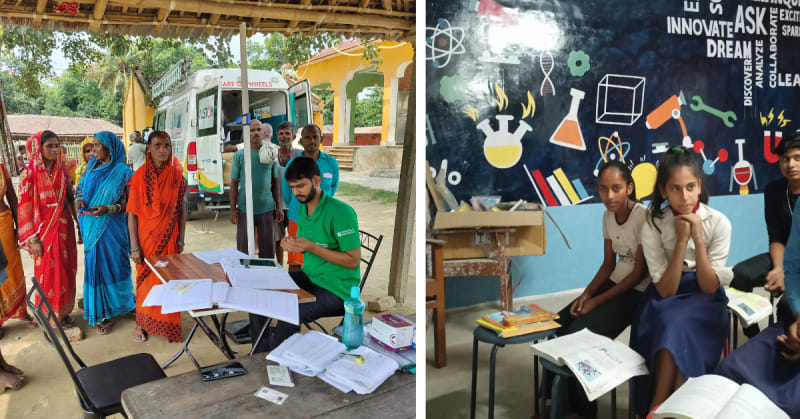
Before laying a single rail, MELPL sent teams into neighboring villages. They conducted surveys, tested water quality, and listened to residents like Lucy Kumari from Chakla village. She remembers when menstruation was considered too shameful to discuss, when children learned in crumbling classrooms, and when no one talked about iron supplementation or hygiene.
The surveys revealed contaminated water in schools and homes, sparse healthcare facilities, and zero skills training beyond traditional farming. These findings shaped four focus areas: education, healthcare, livelihoods, and youth empowerment.
Over the past decade, the factory became more than steel and engines. Clean water initiatives reached schools and households. Healthcare programs addressed nutrition and women's health openly for the first time. Skills training gave young people alternatives to subsistence farming.
The Ripple Effect
The transformation in Madhepura shows how infrastructure projects can spark systemic change. When companies invest in communities rather than just facilities, entire regions shift from survival mode to possibility thinking.
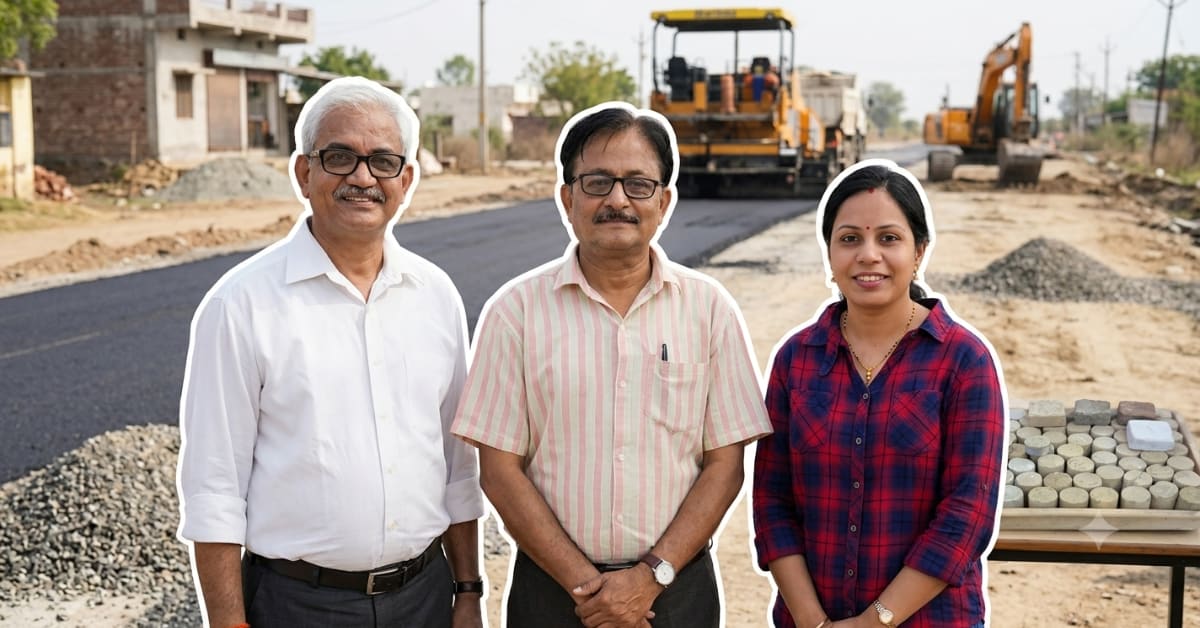
"Our responsibility extended beyond creating world-class locomotives," says Vivek Garg, MELPL's managing director. "We had to make sure our presence translated into real improvements in people's lives."
The 250-acre facility now houses both a state-of-the-art manufacturing center and programs touching every aspect of community life. Families who once measured progress only in survival now imagine futures beyond their villages.
A decade later, the locomotives rolling out of Madhepura carry more than freight across India—they carry proof that progress can mean something different when communities help design it.
More Images
%2Fenglish-betterindia%2Fmedia%2Fmedia_files%2F2026%2F02%2F03%2Fmadhepura-electric-locomotives-impact-2026-02-03-19-02-02.png)
%2Ffilters%3Aformat(webp)%2Fenglish-betterindia%2Fmedia%2Fmedia_files%2F2026%2F02%2F03%2Fmadhepura-electric-locomotives-impact-2026-02-03-12-18-18.png)
%2Ffilters%3Aformat(webp)%2Fenglish-betterindia%2Fmedia%2Fmedia_files%2F2026%2F02%2F03%2Fmadhepura-electric-locomotives-impact-2026-02-03-12-20-49.png)
Based on reporting by The Better India
This story was written by BrightWire based on verified news reports.
Spread the positivity!
Share this good news with someone who needs it