India Restores 4,600-Year-Old Dancing Girl to Textbooks
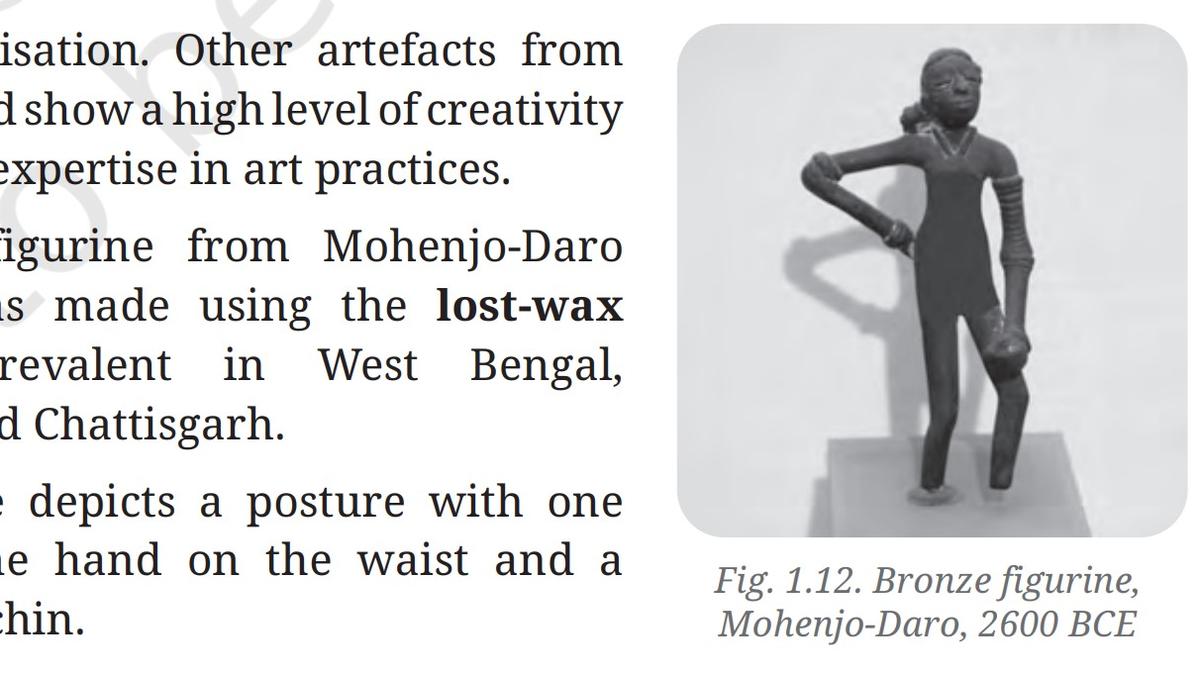
After teachers and historians pushed back, India's education council reversed course and will restore the authentic image of an ancient bronze sculpture to school textbooks. The Dancing Girl of Mohenjo-daro, one of the world's oldest known artworks, had been digitally altered to cover the figurine's torso.
A 4,600-year-old bronze sculpture is getting her dignity back in Indian classrooms.
India's National Council of Educational Research and Training announced it will replace a modified image of the famous "Dancing Girl" figurine in its Class 9 arts textbook with the original version. The change comes after educators and archaeologists criticized the altered image, which used shading to cover the ancient sculpture's bare torso.
The Dancing Girl, discovered at the ancient Indus Valley site of Mohenjo-daro, ranks among the world's most recognizable archaeological treasures. Created around 2600 BCE using a sophisticated lost-wax casting technique, the small bronze depicts a figure in a confident pose with one hand on her hip and her chin slightly raised.
Michel Danino, who headed a textbook development committee for NCERT, said officials told him the original image wasn't "age-appropriate" for students. His team disagreed and checked with actual Class 6 teachers, who confirmed students never had issues with the historical artifact.
"The notion that nudity is inappropriate is, in my opinion, an obsolete Victorian view," Danino told reporters. "Yet we speak of decolonizing Indian education."
The modified version appeared only in the new Class 9 arts textbook, while the Class 6 social science book showed the sculpture authentically. Teachers noticed the inconsistency and raised concerns about misrepresenting historical artifacts to students.
Why This Inspires
This story shows the power of educators standing up for historical accuracy and cultural authenticity. Teachers didn't stay silent when they saw an ancient masterpiece being altered, and their voices led to real change.
Danino compared the modification to when the Church added fig leaves to Michelangelo's David, noting both examples misrepresent beautiful works of art. His team argued that if an authentic artifact can't appear in a chapter specifically about Indian art history, something has gone seriously wrong.
The textbook includes activities asking students to study the Dancing Girl's pose, mimic it themselves, and discuss what the posture might represent. Archaeologists have found the same distinctive stance on pottery fragments from other Harappan sites, suggesting it held specific cultural or artistic meaning in ancient India.
The reversal represents a win for the thousands of teachers who understand that teaching history means showing it as it actually existed.
Based on reporting by The Hindu
This story was written by BrightWire based on verified news reports.
Spread the positivity!
Share this good news with someone who needs it