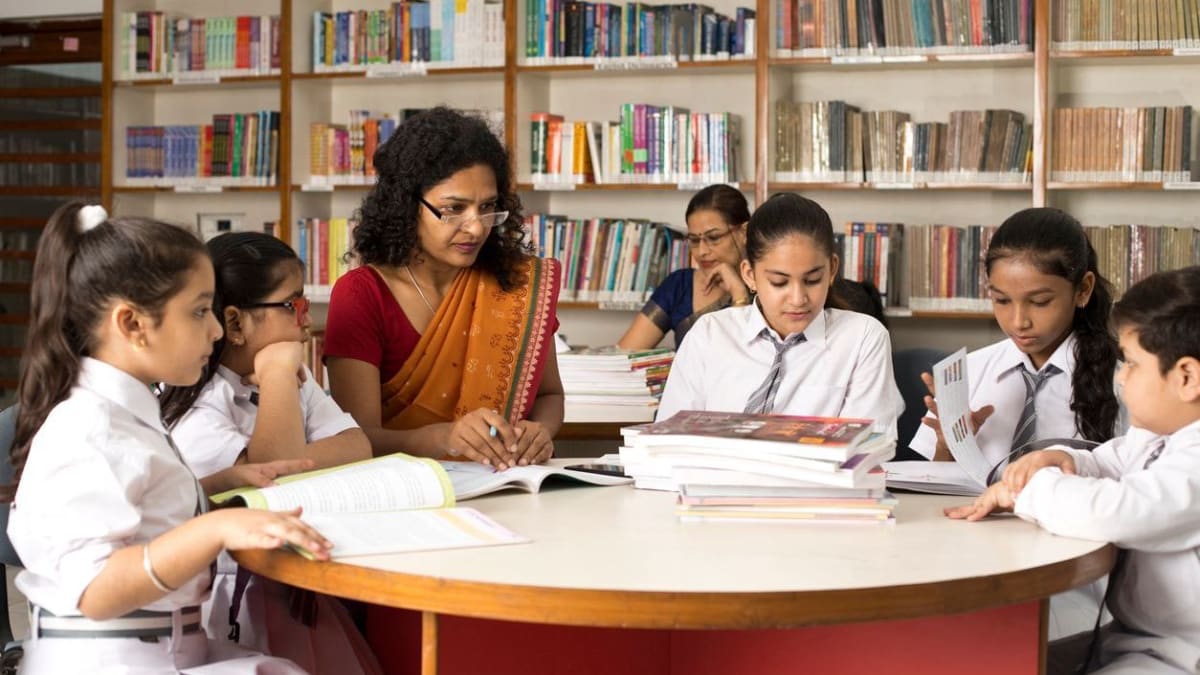
India Schools Now Require Mental Health Training for Staff
India's largest education board just mandated mental health training for all school staff, shifting focus from test scores to student wellbeing. Over 27,000 schools will now teach teachers to recognize distress and provide emotional support.
The Central Board of Secondary Education in India just made student wellbeing as important as math scores. The board has mandated that all teaching and non-teaching staff across its 27,000 affiliated schools receive mental health training twice a year.
Teachers, administrators, and even support staff will now learn to spot early warning signs of student distress and provide psychological first aid. The shift moves mental health support from specialized counselors into everyday classroom interactions.
Schools must also run parent awareness programs and integrate emotional literacy into student activities. Students will develop skills beyond test preparation, including emotional regulation and help-seeking behaviors that form in early childhood.
Ravin Nair from education rating firm QS I-GAUGE says understanding individual students strengthens learning itself. "When a teacher understands a child's background, strengths and challenges, they are better equipped to adopt an empathetic approach that enhances learning outcomes," he explained.
The directive also encourages schools to review grueling examination patterns and expand arts, sports, and personality development programs. These changes acknowledge that excessive academic pressure drives anxiety and disengagement among young students.
The Ripple Effect
This policy aligns with emerging global standards that measure school quality by emotional support systems, not just academic results. Institutions that systematically track wellbeing initiatives create more supportive learning environments overall.
The change could reshape how an entire generation of Indian students experiences school. Dr. Abilash K, a psychologist at Christ University in Bengaluru, notes that early intervention prevents crisis response later, making continuous support essential starting in early grades.
Implementation challenges remain, particularly a shortage of trained mental health professionals in India. Smaller and rural schools may struggle with costs, and success depends on cultural acceptance from parents who traditionally prioritize academic performance above all.
Still, the mandate represents something bigger than policy. It signals that India's education system is finally recognizing that a child's emotional health and academic success are inseparable, not competing priorities.
Thousands of teachers across India are now learning that noticing when a student seems withdrawn matters just as much as grading their exam papers.
Based on reporting by Google News - Mental Health Success
This story was written by BrightWire based on verified news reports.
Spread the positivity!
Share this good news with someone who needs it