India Snake Rescuers Save Thousands During Monsoon Season
When a family in Delhi found a three-foot snake in their kitchen cabinet, they didn't panic—they called trained rescuers who safely relocated it. Across India, teams are responding to hundreds of monsoon snake encounters with prevention tips that work.
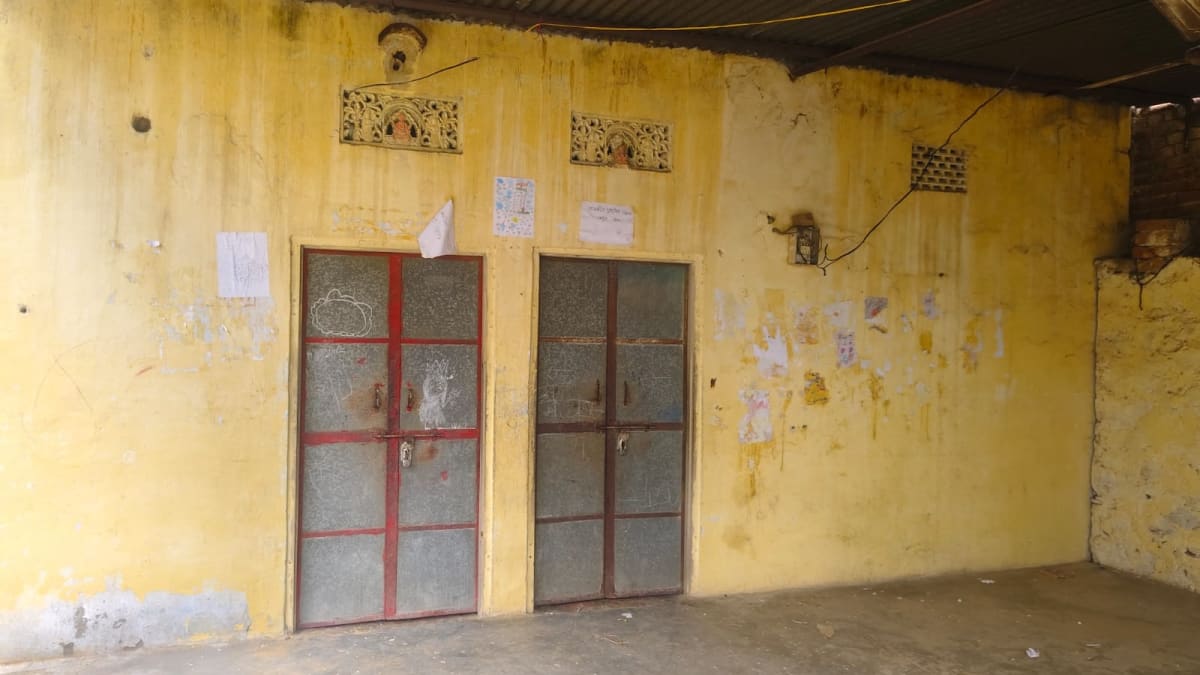
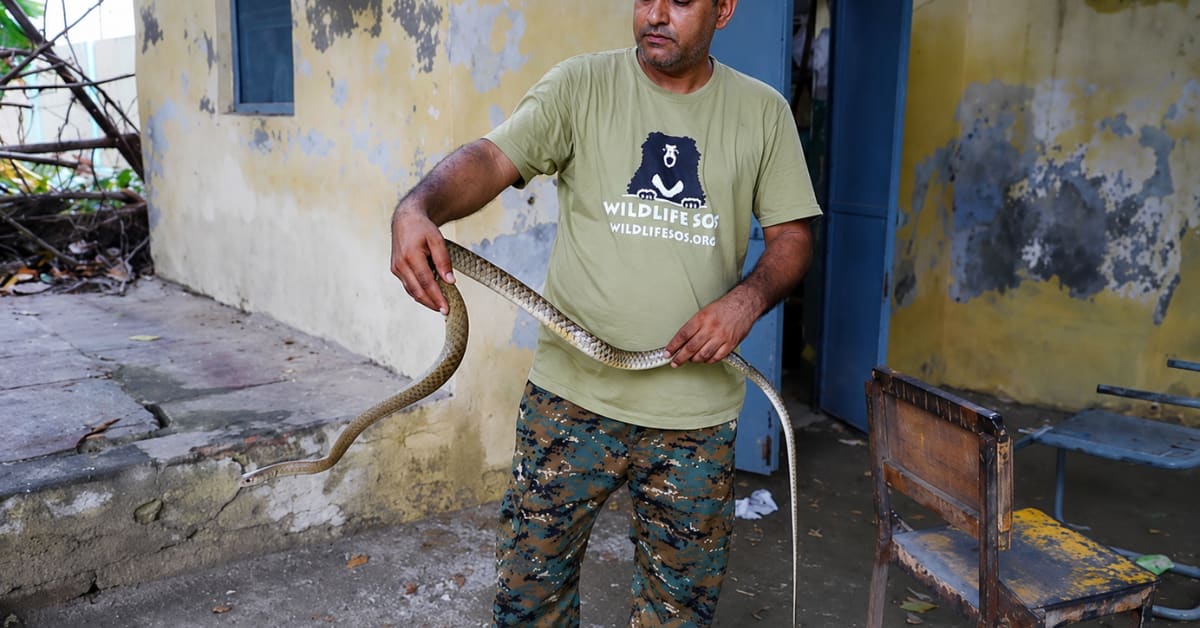
A Delhi family opened their kitchen cabinet last July and found a three-foot Indian rat snake curled up inside. Instead of panicking, they called Wildlife SOS, and trained rescuers safely relocated the harmless reptile within hours.
It's a story that plays out hundreds of times each monsoon across India. When heavy rains flood burrows and hiding spots, snakes simply look for dry ground to wait out the weather.
Last year during monsoon season, rescue teams in Agra alone responded to over 100 snake calls in six weeks. Teams removed snakes from university canteens, car bonnets, chicken coops, and even the Prime Minister's residence. Most were non-venomous species just seeking temporary shelter.
The reason is simple biology, not aggression. Snakes don't enter homes to hunt humans—they're following their food. When rain floods fields, rodents flee indoors, frogs gather around standing water, and snakes follow their prey.
As cold-blooded animals, snakes also seek warmth. Dry concrete floors and enclosed spaces offer better temperature control than waterlogged fields, making homes unintentionally attractive during storms.
But rescuers say most encounters are completely preventable. Sealing gaps under doors, covering drain pipes with wire mesh, and fixing cracks in walls blocks the most common entry points. Snakes can squeeze through surprisingly small openings.
Keeping yards tidy matters too. Trimming tall grass, clearing leaf piles, and storing firewood away from walls removes hiding spots. Proper waste disposal reduces rodent populations, which means fewer reasons for snakes to come close.
Several states including Karnataka and Kerala now offer certification programs for snake rescuers. The training emphasizes that only professionals should handle snakes, and that many species will leave on their own if given space and time.
The Ripple Effect
The shift in how people respond to snake encounters represents genuine progress. A decade ago, many snakes found near homes were killed out of fear. Today, thousands of families across India now save rescue hotline numbers and wait for trained help.
Wildlife SOS reports that public awareness has grown dramatically. More people can identify common non-venomous species and understand that snakes play crucial roles controlling rodent populations that damage crops and spread disease.
Education programs in high-risk regions teach children and farmers the difference between dangerous and harmless species. Communities that once viewed all snakes as threats now recognize them as neighbors sharing the same weather challenges.
The combination of prevention, professional rescue services, and public education is saving both human and snake lives during India's busiest season for wildlife encounters.
More Images
%2Fenglish-betterindia%2Fmedia%2Fmedia_files%2F2026%2F07%2F10%2Fsnake-rescue-2026-07-10-14-55-36.png)
%2Fenglish-betterindia%2Fmedia%2Fmedia_files%2F2025%2F11%2F20%2Fwild-at-heart-banner-image-microsite-banner-2025-11-20-16-17-04.jpg)

%2Ffilters%3Aformat(webp)%2Fenglish-betterindia%2Fmedia%2Fmedia_files%2F2026%2F07%2F10%2Fsnake-rescue-2-2026-07-10-15-03-09.png)
Based on reporting by The Better India
This story was written by BrightWire based on verified news reports.
Spread the positivity!
Share this good news with someone who needs it