India Turns E-Waste Into Critical Minerals Worth $6 Billion
India is transforming mountains of discarded electronics into lithium, cobalt, and rare minerals needed for smartphones, electric cars, and AI technology. The country's new recycling push could generate $6 billion annually while reducing dependence on imports.
Hundreds of dead batteries rattle along conveyor belts in northern India, being crushed into powder that will become the lithium powering tomorrow's electric vehicles. What was once trash is now treasure in India's ambitious plan to secure the critical minerals that make modern technology possible.
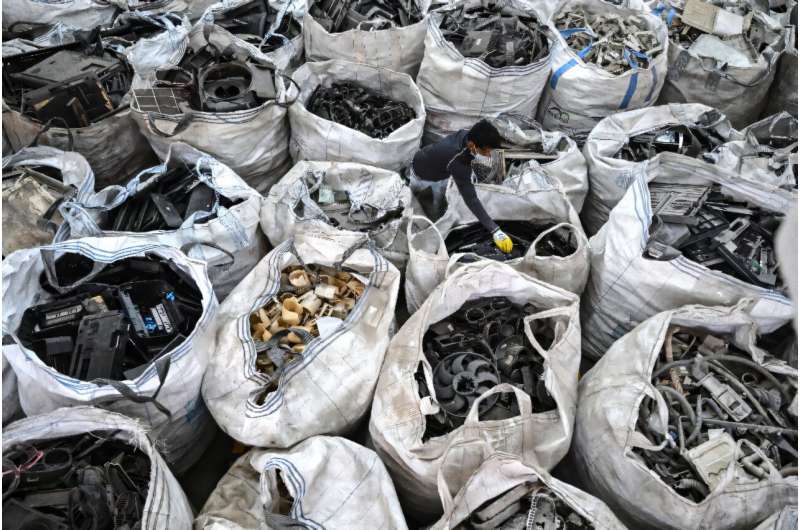
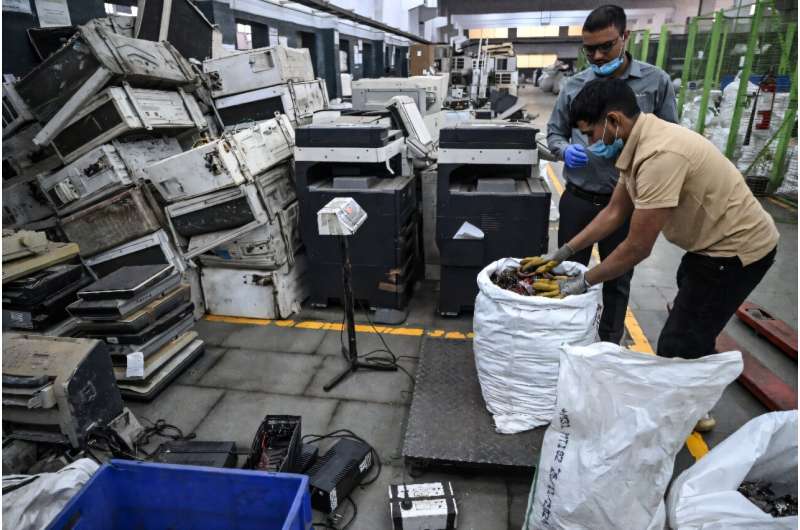
India generated 1.5 million tonnes of electronic waste last year, enough to fill 200,000 garbage trucks. Inside those discarded phones, computers, and batteries are lithium, cobalt, nickel, and rare earth minerals worth billions of dollars.
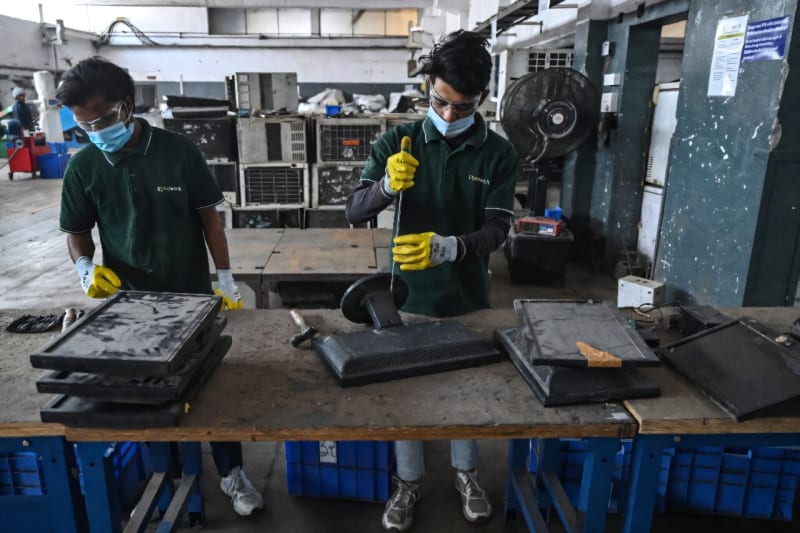
At Exigo Recycling's plant in Haryana state, workers transform e-scooter batteries into jet-black powder, then process it through chemical baths until it becomes fine white powder. "White gold," says the facility's lead scientist, watching lithium collect in trays.
The stakes are high for India's tech ambitions. The country imports 100% of its lithium, cobalt, and nickel, leaving it vulnerable to supply chain disruptions and Chinese market dominance. With demand expected to soar as India builds its artificial intelligence sector, waiting a decade for domestic mining isn't an option.
Prime Minister Narendra Modi's government approved $170 million last year to boost formal recycling of critical minerals. New Extended Producer Responsibility rules now require manufacturers to collect old electronics and send them to registered recyclers instead of landfills.
The changes are working. Before the rules took full effect, 99% of e-waste disappeared into informal backyard workshops that extracted only easily sold metals like copper and aluminum. Now about 60% flows into formal facilities equipped to recover at least 22 different critical minerals, according to Attero Recycling.
The formal sector still faces challenges. Most Indian recycling capacity lags behind China and the European Union, which invested heavily in advanced recovery technology years ago. Many collectors still sell to informal traders in neighborhoods like Delhi's Seelampuri, where narrow alleys overflow with tangled cables and broken devices.
"The new companies just keep enough for certification, but the rest still comes to us," says Shabbir Khan, a local trader. "Business has increased, not gone down."
The Ripple Effect
India's urban mining revolution could reshape global supply chains. While $6 billion won't meet all of India's projected demand, it could cushion against import shocks and reduce dependence on a single supplier. As more countries seek alternatives to Chinese mineral dominance, India's model of turning waste into strategic resources offers a blueprint.
Ecowork, India's only authorized nonprofit e-waste recycler, is training informal workers in safe dismantling techniques. Integrating these workers into traceable supply chains could recover far more valuable minerals currently being lost or burned in toxic backyard operations.
From discarded phone screens to fighter jet components, India is proving that yesterday's garbage can power tomorrow's technology.
More Images
Based on reporting by Phys.org - Technology
This story was written by BrightWire based on verified news reports.
Spread the positivity!
Share this good news with someone who needs it