India Turns Slaughterhouse Waste Into Global Handicrafts
In Sambhal, India, artisans transform discarded animal horns and bones into beautiful handcrafted products sold worldwide. What was once waste now supports an entire community of craftspeople creating sustainable alternatives to plastic.
In a small district in northern India, trash has become treasure on a massive scale.
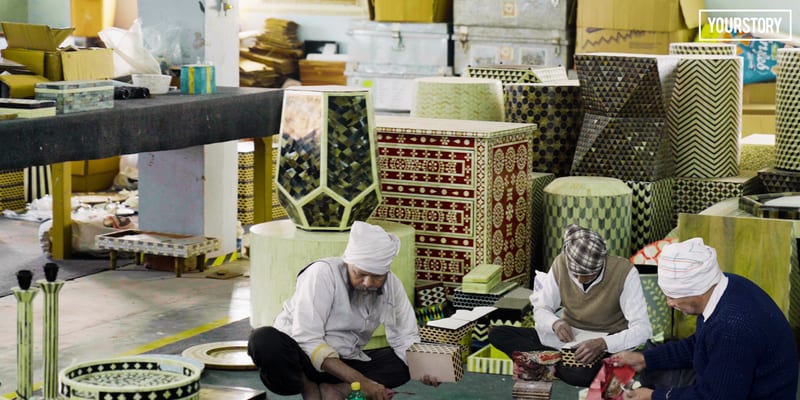
Sambhal's artisans have built an entire industry around materials most people would throw away. Animal horns and bones that leave slaughterhouses become handcrafted chess sets, photo frames, jewelry boxes, and home décor that ships across India and overseas.
This isn't a new trend. Families like Mohammad Shariq's have worked with these materials for generations. His grandfather and father supplied raw bone chips to local markets. Now Shariq runs Moon Light Exports, selling finished handicrafts to international buyers through his company.
The transformation process starts with thorough cleaning. Workers wash, chemically treat, and boil the discarded materials to remove all impurities. They cut the cleaned pieces into smaller sections and shape them carefully.
Many products combine bone or horn with wooden bases. Artisans polish each piece until it's smooth and durable, with no rough edges. The goal is quality that lasts.
The product range has grown far beyond traditional combs. Today's workshops produce board games, contemporary accessories, and decorative pieces that appeal to shoppers seeking natural alternatives to synthetic materials.
A network of small workshops, polishers, designers, and exporters keeps the industry running. These compact production units employ artisans across the district, providing steady income for families.
The Ripple Effect
Digital platforms changed everything for Sambhal's craftspeople. Through India's One District One Product initiative, artisans gained support for exhibitions and direct market connections. They learned to photograph their work, reach buyers online, and build relationships beyond their local area.
"Earlier we searched for buyers; now buyers find us," Shariq explains. The internet brought global customers to their doorstep.
The environmental benefit adds another layer of value. Every comb or game board made from rescued materials is one less plastic product manufactured. Buyers in gift stores and curated home shops actively seek these sustainable options.
The industry proves that waste depends entirely on perspective. What looks like garbage in one context becomes premium handicraft material in another.
Sambhal's success offers a model for other communities. Traditional skills combined with modern marketing create economic opportunity while solving an environmental problem. Young artisans see a future in the craft their grandparents practiced.
The horns and bones leaving Sambhal's workshops today will last for years in homes around the world, each piece carrying the story of waste reimagined.
More Images

Based on reporting by YourStory India
This story was written by BrightWire based on verified news reports.
Spread the positivity!
Share this good news with someone who needs it