India Waterbird Survey Finds 22% Population Surge
A citizen science effort in Kerala's Palakkad district just recorded over 4,200 waterbirds, marking a 22% jump in population. Even better, birdwatchers spotted a rare species not seen in the area for 25 years.
When 50 volunteer birdwatchers fanned out across Palakkad, India this January, they discovered something wonderful: the local waterbirds are thriving.
The Natural History Society of Palakkad coordinated the ambitious survey across 16 locations, from the Malampuzha and Mangalam dams to the Bharathapuzha river. Between January 3 and 18, volunteers counted 4,200 waterbirds representing 44 different species.
The numbers told an encouraging story. Waterbird populations in the district jumped 22% compared to previous surveys. Storks and cormorants led the growth, though duck populations dipped slightly.
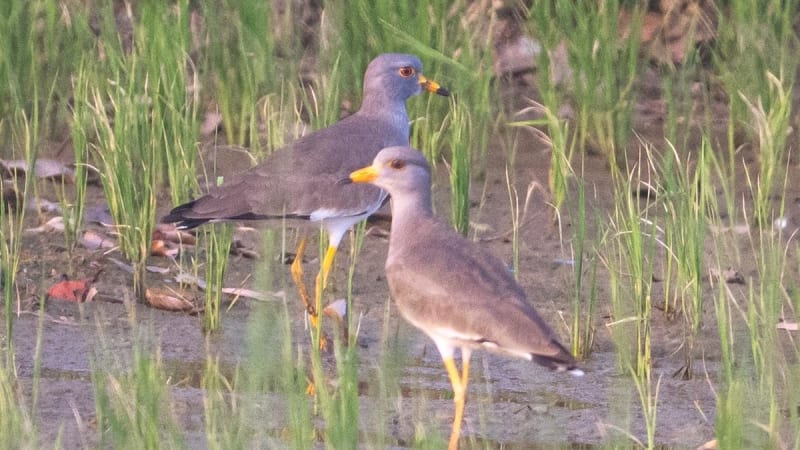
But the real excitement came from two unexpected sightings. Survey teams spotted a Citrine wagtail, a bright yellow songbird that hadn't been recorded in Palakkad for 25 years. They also documented a Grey-headed lapwing, a rare migratory visitor that breeds in northeast China and Japan before wintering in Southeast Asian wetlands.
Finding the lapwing inside the town itself carried special meaning. "The sighting of the rare Grey-headed lapwing within the town underscores the importance of conserving our water bodies," explained Lijo Panangadan, secretary of the Natural History Society.
The survey reflected a growing collaboration between conservation groups and government agencies. Wetlands International, the Bombay Natural History Society, Kerala's Forest and Wildlife department, and both national and state Biodiversity Boards all supported the citizen science effort.
The Ripple Effect
The waterbird boom signals healthier wetlands across Palakkad district. When bird populations thrive, it means the entire ecosystem is functioning well, from water quality to fish populations to plant life along the shores.
The return of species like the Citrine wagtail after a quarter century suggests that conservation efforts are working. Wetlands that seemed to be declining are instead becoming refuges again for migratory birds traveling thousands of miles.
Most importantly, the survey mobilized everyday people to become stewards of their local environment. Those 50 volunteer birdwatchers now have concrete evidence that their water bodies matter, not just locally but as critical stopover points in international migration routes.
When communities see positive results from protecting nature, they protect it even more fiercely.
Based on reporting by The Hindu
This story was written by BrightWire based on verified news reports.
Spread the positivity!
Share this good news with someone who needs it