India Weaves Ancient Knowledge Into Modern Classrooms
Indian universities are introducing courses on traditional astronomy, mathematics, and medicine as voluntary electives, bridging ancient wisdom with contemporary education. Students can now earn credits studying Sanskrit communication theory alongside Western concepts.
India's schools and universities are quietly opening doors to centuries-old knowledge that once lived only in ancient texts and oral traditions.
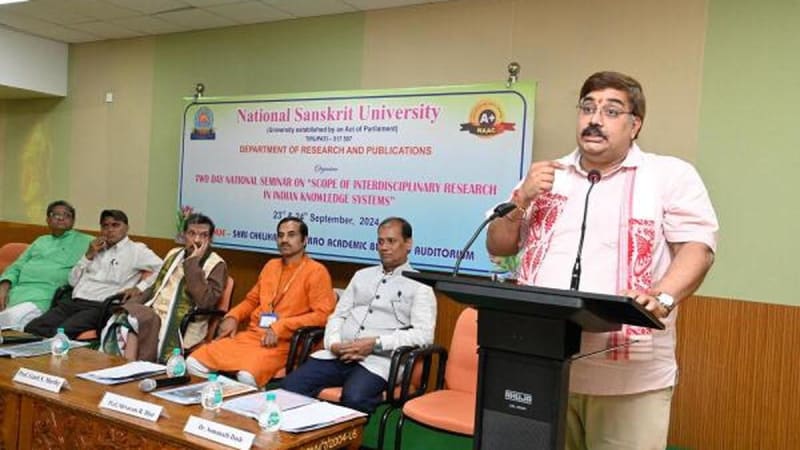
Since 2020, the country's National Education Policy has encouraged schools and colleges to offer courses in Indian Knowledge Systems, covering everything from traditional astronomy and architecture to indigenous health sciences and agricultural practices. The approach is entirely voluntary, with most programs limiting this content to under 20% of total coursework.
At Jain University in Bengaluru, students can now choose an elective that explores ancient Indian scientific contributions. Other institutions have introduced courses on communication theories from Sanskrit texts, like 'Sadhanikaran,' which emphasizes shared learning and predates many Western theories taught in classrooms today.
The rollout has been careful and slow by design. Universities rely on detailed guidelines released in 2023 that recommend specific textbooks and course structures, ensuring that ancient knowledge is presented with academic rigor. Faculty members spend considerable time researching and vetting content before introducing it to students.
Professor K.G. Suresh began incorporating these ideas at his universities as early as 2016, long before formal guidelines existed. He worked with professors who had expertise in Sanskrit texts to develop coursework that complemented existing Western theories. "At that time, there was no textbook or one resource that could be used," he explains, noting that the infrastructure is much stronger now.
In medical schools, the integration remains modest. Students pursuing MBBS degrees can take electives in Ayurveda and other traditional health sciences, but these courses aren't mandatory. The University of Trans-Disciplinary Health Sciences and Technology offers these classes not just to medical students but also to those studying life sciences and other disciplines.
The Ripple Effect
The voluntary nature of these programs means students engage with them out of genuine interest rather than obligation. Universities across different states are developing their own approaches based on local resources and faculty expertise, creating a diverse landscape of learning opportunities.
Implementation varies widely because there's no enforcement from above. Some states have embraced the initiative with enthusiasm while others move more cautiously. Academic directors emphasize that this flexibility allows institutions to find what works best for their students and communities.
The vetting process continues as research teams address questions and critiques, working to ensure the curriculum represents India's full diversity of traditional knowledge, not just select interpretations.
What began as scattered institutional experiments is gradually becoming a structured option for students curious about their country's intellectual heritage, one elective course at a time.
Based on reporting by The Hindu
This story was written by BrightWire based on verified news reports.
Spread the positivity!
Share this good news with someone who needs it