India Wildlife Center Has Saved 40,000 Animals Since 1999
A leopard cub named Jaggu was hours from death when rescuers found him alone in the forest. Today he's thriving at a wildlife center that's treated over 40,000 animals and needs support to keep saving lives.
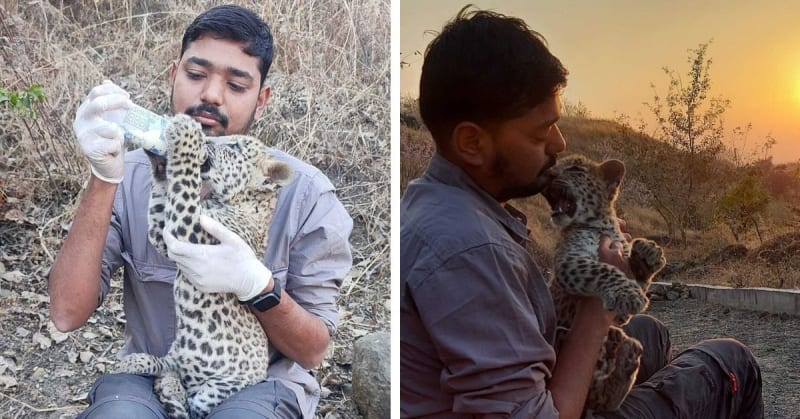
When forest rangers found Jaggu the leopard cub in November 2021, his breathing was shallow and his tiny body was giving up. Separated from his mother and too young to survive alone, the cub was battling severe anemia, pneumonia, and dehydration all at once.
The Washim Forest Department rushed him to the People for Animals Wildlife Rescue and Rehabilitation Center in Wardha, Maharashtra. There, Kaustubh Gawande and his team placed Jaggu in intensive care, knowing medicine alone wouldn't save him.
"This cub needed presence, warmth, and constant care," Gawande recalls. For months, dedicated caretakers stayed by Jaggu's side around the clock, feeding him, monitoring his breathing, and simply being there as he fought to recover.
Today, Jaggu bounds energetically around the center, his youthful face a living reminder to the 30 other animals currently receiving treatment that recovery is possible. He's one of 5,600 animals treated at the facility in the past year alone.
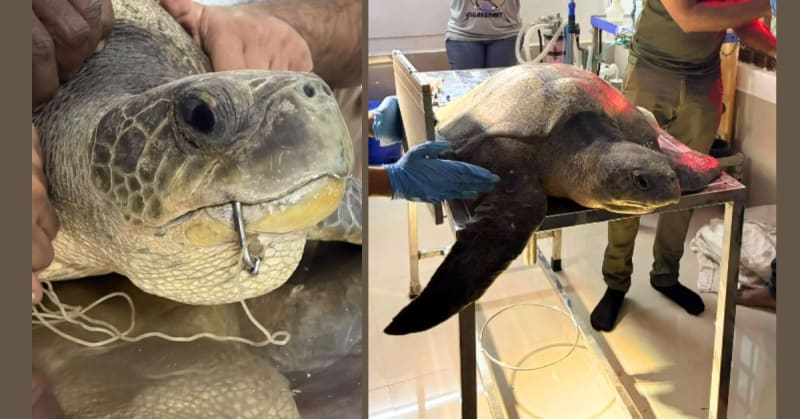
Since opening in 1999 under animal rights activist Maneka Gandhi, the center has treated and rehabilitated more than 40,000 wild animals. Tigers, leopards, sloth bears, endangered birds, and countless other species have received critical care through the center's partnership with the Maharashtra Forest Department.
The facility operates like a specialized hospital for wildlife. Digital X-ray machines, blood analyzers, and a fully equipped operating theater with ventilators and anesthesia machines give animals access to advanced medical care. Two wildlife ambulances stand ready for emergency rescues across western and central India.
But director Ashish Goswami says the technology tells only half the story. "Treatment and medicines can only do so much," he explains. "The crucial ingredient is care and kindness."
Each rescued animal receives a dedicated caretaker who provides consistent, gentle attention. Animals who learned that humans meant danger slowly discover a world where fear is replaced by patience. Through careful routines and compassion, trust gradually returns.
The Ripple Effect
The center's impact extends far beyond individual rescues. Mobile veterinary units respond quickly to human-wildlife conflicts, while community awareness programs teach sustainable conservation practices. The team is now working on rewilding projects, GPS collaring studies, and vulture reintroduction campaigns across local communities.
This Valentine's Day, The Better India has partnered with the center and Donatekart to help secure these animals' second chances at life. Donations fund rescue operations, medical treatment, food, and the specialized care that transforms frightened, injured animals into healthy creatures ready to return to the wild.
Every contribution helps write more stories like Jaggu's, where hope replaces desperation and recovery becomes reality.
More Images
%2Fenglish-betterindia%2Fmedia%2Fmedia_files%2F2026%2F02%2F03%2Fpfa-wardha-2026-02-03-18-17-33.jpg)
%2Fenglish-betterindia%2Fmedia%2Fmedia_files%2F2025%2F11%2F20%2Fwild-at-heart-banner-image-microsite-banner-2025-11-20-16-17-04.jpg)
%2Ffilters%3Aformat(webp)%2Fenglish-betterindia%2Fmedia%2Fmedia_files%2F2026%2F02%2F03%2Fdiageo-4-2026-02-03-17-58-34.jpg)
Based on reporting by Google News - Wildlife Recovery
This story was written by BrightWire based on verified news reports.
Spread the positivity!
Share this good news with someone who needs it