India Wildlife Center Saves 10,000 Animals in 25 Years
A rescue center near Kaziranga National Park has successfully treated and released nearly 7,000 wild animals back into their natural habitats over the past quarter century. The facility pioneered India's approach to rehabilitating orphaned and injured wildlife.
Deep in Assam's flood plains near Kaziranga National Park, a small rescue center just celebrated 25 years of saving lives that usually go uncounted.
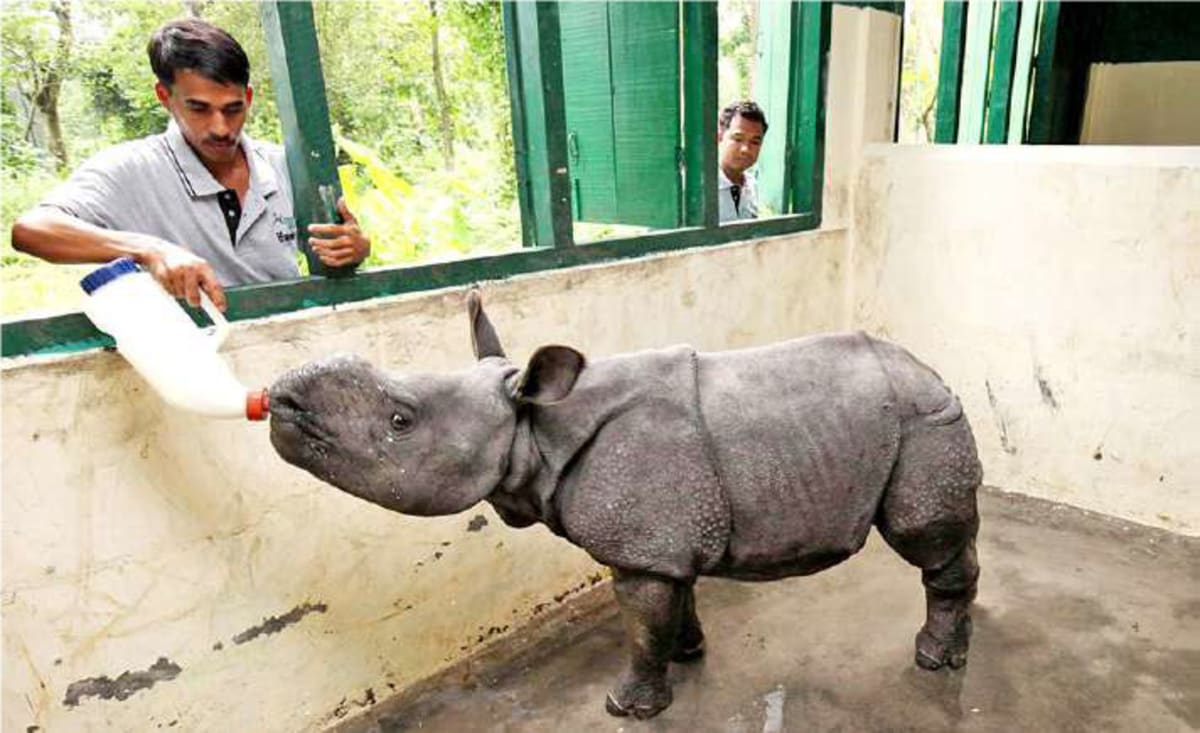
The Centre for Wildlife Rehabilitation and Conservation (CWRC) has responded to more than 10,000 wildlife emergencies since opening its doors in August 2002. Nearly 68 percent of those animals, from orphaned rhino calves to injured gibbons, were successfully treated and returned to the wild.
India's first dedicated wildlife rehabilitation facility started with a simple mission: hand-raise orphaned animals and treat injured ones so they could survive back in their natural homes. The center set up shop at Panbari, right next to one of the world's most biodiverse national parks, where floods regularly displace thousands of wild animals.
Flood season brings the center's busiest days. Veterinary teams work alongside Assam's Forest Department to rescue stranded elephants, treat injured deer, and reunite separated baby animals with their mothers whenever possible. Some years, the waters rise so high that entire populations need emergency intervention.
The center's work extends far beyond emergency response. Since 2006, CWRC has played a key role in bringing rhinos back to Manas National Park by rehabilitating rescued individuals and preparing them for reintroduction. The facility has also rehabilitated Asiatic black bear cubs, wild buffalo, and hoolock gibbons for release into protected areas across the region.
Two Mobile Veterinary Service units now extend the center's reach across eastern and western Assam. These teams bring emergency care directly to animals in distress, reaching remote areas where wildlife and humans increasingly overlap.
The Ripple Effect
CWRC's impact reaches beyond the animals it treats directly. The center has become a training ground where veterinarians, biologists, and conservation practitioners from across India learn wildlife rescue protocols. These graduates carry those skills to new regions, multiplying the center's life-saving impact.
Local communities near the facility now participate in outreach programs designed to reduce human-wildlife conflict. When villagers understand how to respond to a wild animal in distress, or how to protect their crops without harming elephants, everyone benefits.
The partnership between the Wildlife Trust of India, Assam Forest Department, and the International Fund for Animal Welfare shows what's possible when organizations pool resources for a shared goal. Twenty-five years of collaboration has created a model that other states are now replicating.
Every animal that walks, flies, or swims back into the wild from CWRC carries hope for India's remarkable biodiversity.
Based on reporting by Google News - Wildlife Recovery
This story was written by BrightWire based on verified news reports.
Spread the positivity!
Share this good news with someone who needs it