Indian Artisans Blend Ancient Weaving with Modern Design
In Bareilly, India, bamboo artisans are transforming centuries-old weaving techniques into sleek furniture for contemporary homes and hotels worldwide. What started as a four-person workshop now employs 30 craftspeople and exports to Australia.
In a district once known only for traditional basketry, Bareilly's bamboo weavers are now shipping designer furniture to Australian homes and upscale Indian hotels.
Anurag Sonkar saw something others missed when he returned to Bareilly in 2019. The region's skilled cane and bamboo artisans had mastered techniques passed down through generations, but their products didn't fit modern living spaces. Sonkar, trained at India's National Institute of Fashion Technology, decided to bridge that gap.
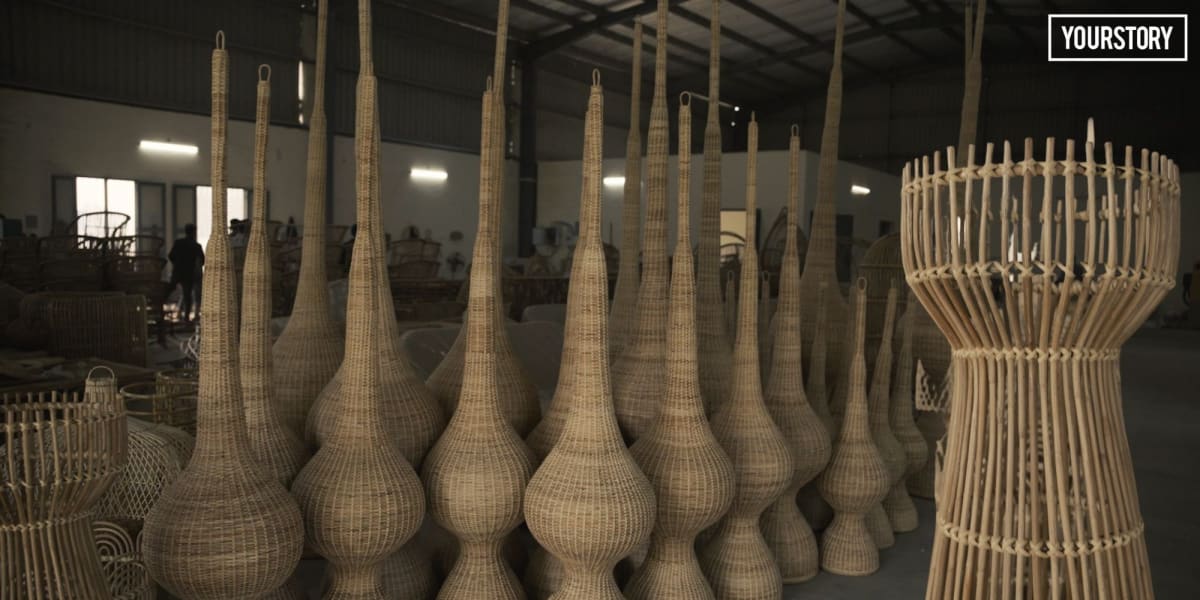
He started with four artisans and a simple question: what if ancient weaving methods met contemporary design? Together, they began creating coffee tables, pendant lamps, and mirrors using bamboo sourced from nearby forests and cane from Assam. Each piece retained the handwoven texture of traditional craft but featured clean lines and proportions that worked in minimalist apartments and boutique hotels.
The approach worked. Within five years, the workshop grew to 30 artisans, each specializing in different skills. Some focus exclusively on intricate weaving patterns, while others shape the bamboo frames or craft smaller decorative pieces. This specialization improved both quality and speed.
One breakthrough came through India's One District One Product program, which connected Bareilly's artisans with trade fairs and design platforms. Orders began flowing in from architects and interior designers across Indian cities. Then came the international inquiries.
The production process remains deeply hands-on. Bamboo arrives from the Gorakhpur region and undergoes careful cleaning, soaking, and heat-molding before artisans begin weaving. Every new design starts as a prototype, refined based on client feedback before moving to batch production. When Sonkar introduced a new planter design recently, he received over 50 orders within days.
The Ripple Effect
The workshop's growth created unexpected opportunities beyond its walls. Women from nearby villages now earn income through a basketry training program that feeds into the production line. They work flexible hours, weaving smaller decorative items while learning skills that open doors to steady employment.
Bareilly's transformation shows how traditional crafts survive not by staying frozen in time, but by evolving thoughtfully. The artisans aren't abandoning centuries of knowledge. They're applying that wisdom to solve modern design challenges, proving that heritage and innovation grow stronger together.
These weavers are building more than furniture—they're building a future where ancient skills pay today's bills.
More Images

Based on reporting by YourStory India
This story was written by BrightWire based on verified news reports.
Spread the positivity!
Share this good news with someone who needs it