Indian Botanist Made India 2nd Largest Sugar Producer
Dr Janaki Ammal chose science over marriage in 1932 and developed the sugarcane variety that transformed India from importer to the world's second-largest producer. Despite facing discrimination as a single woman scientist, her groundbreaking hybrid breeding research sweetened an entire nation's future.
In 1932, when society expected her to marry and settle down, Dr Janaki Ammal made a different choice. She became the first Indian woman to earn a PhD in botany from the University of Michigan, setting the stage for a discovery that would reshape her nation's agricultural destiny.
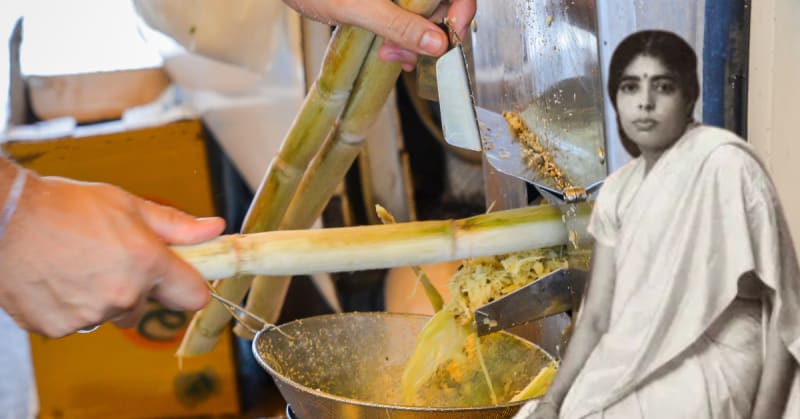
When she returned to India and joined the Sugarcane Breeding Institute in Coimbatore, the country faced a sweet problem. Indian sugarcane lacked the sugar content and resilience needed to thrive, forcing the nation to depend on imports from Southeast Asia and Papua New Guinea.
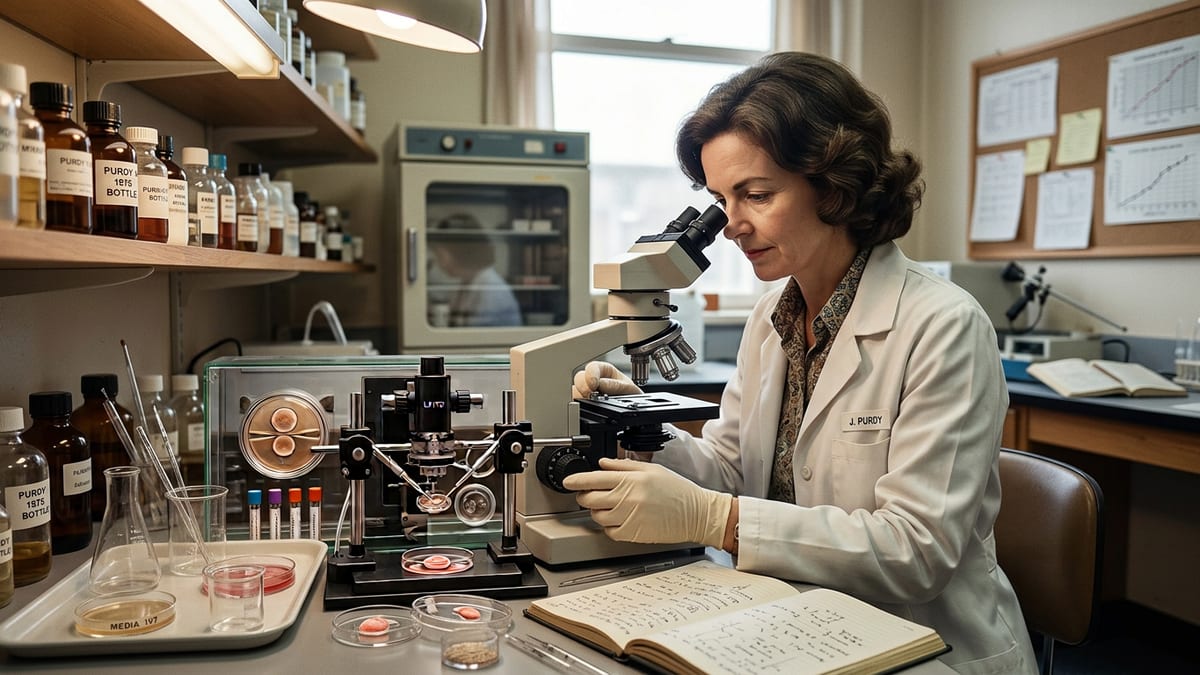
Dr Ammal spent years in the laboratory, carefully cross-breeding varieties to develop sugarcane perfectly suited for Indian soil and climate. Her hybrid wasn't just sweeter. It was stronger, higher-yielding, and could flourish in local conditions where imported varieties struggled.
The transformation was remarkable. India went from importing sugarcane to becoming the world's second-largest producer and exporter, generating billions in revenue annually.
But success in the lab didn't translate to acceptance in society. As a single woman from a marginalized caste, Dr Ammal faced relentless discrimination from male colleagues who couldn't accept her authority or brilliance.
The hostility became unbearable, forcing her to leave for London. There, even amid World War II bombings, she continued her botanical research and developed a unique magnolia species that still bears her name: Magnolia kobus 'Janaki Ammal'.
The Ripple Effect
Dr Ammal's work rippled far beyond the sugarcane fields of Coimbatore. Her research laid the foundation for India's agricultural independence in a crucial crop, creating jobs for millions and establishing the country as a global powerhouse in sugar production.
In 1951, Prime Minister Jawaharlal Nehru personally requested her return to lead India's botanical initiatives and strengthen scientific institutions. She later received the Padma Shri for her contributions and became a pioneering voice in biodiversity conservation, advocating for the protection of India's natural heritage.
Today, every spoonful of Indian sugar carries her legacy. Yet her name rarely appears in textbooks, a quiet testament to how often women's contributions to science are overlooked.
Dr Ammal showed that one person's determination to choose purpose over pressure, to stand firm against prejudice, can literally sweeten a nation's future.
More Images
%2Fenglish-betterindia%2Fmedia%2Fmedia_files%2F2026%2F02%2F24%2Fjanaki-ammal-2026-02-24-19-45-29.png)
%2Ffilters%3Aformat(webp)%2Fenglish-betterindia%2Fmedia%2Fmedia_files%2F2026%2F02%2F24%2Fjanaki-ammal-2026-02-24-19-53-40.jpg)

%2Ffilters%3Aformat(webp)%2Fenglish-betterindia%2Fmedia%2Fmedia_files%2F2026%2F02%2F24%2Fjanaki-ammal-2026-02-24-19-49-38.jpg)
Based on reporting by The Better India
This story was written by BrightWire based on verified news reports.
Spread the positivity!
Share this good news with someone who needs it