Indian Doctor's $135 Device Saves Lives During Intubation
A homeschooled Lego builder turned AIIMS doctor created a video attachment that converts standard laryngoscopes into advanced airway tools for under $135, after watching a patient nearly die from failed intubation. His device has already reached 80 doctors across India in just two months.
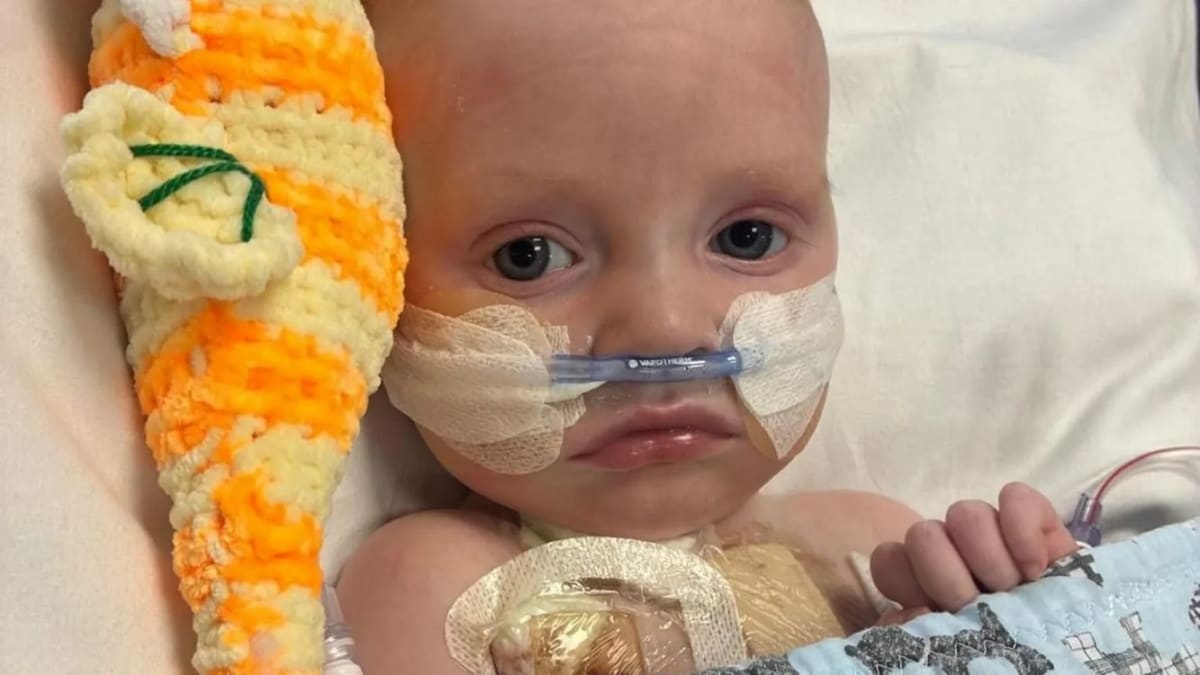
Dr. Maanas Jain watched helplessly as a critically ill patient nearly died during his medical internship, struggling through multiple failed intubation attempts before doctors found a videolaryngoscope that worked. That moment changed everything for the young physician who spent his childhood building complex Lego machines in his Pune home.
Maanas developed UVEAL (Universal Video-Enabling Attachment for Laryngoscopes), a device that transforms ordinary laryngoscopes into advanced video systems for under 10,000 rupees (about $135). Traditional videolaryngoscopes cost lakhs of rupees, putting them out of reach for most Indian hospitals and leaving patients vulnerable during emergency airway procedures.
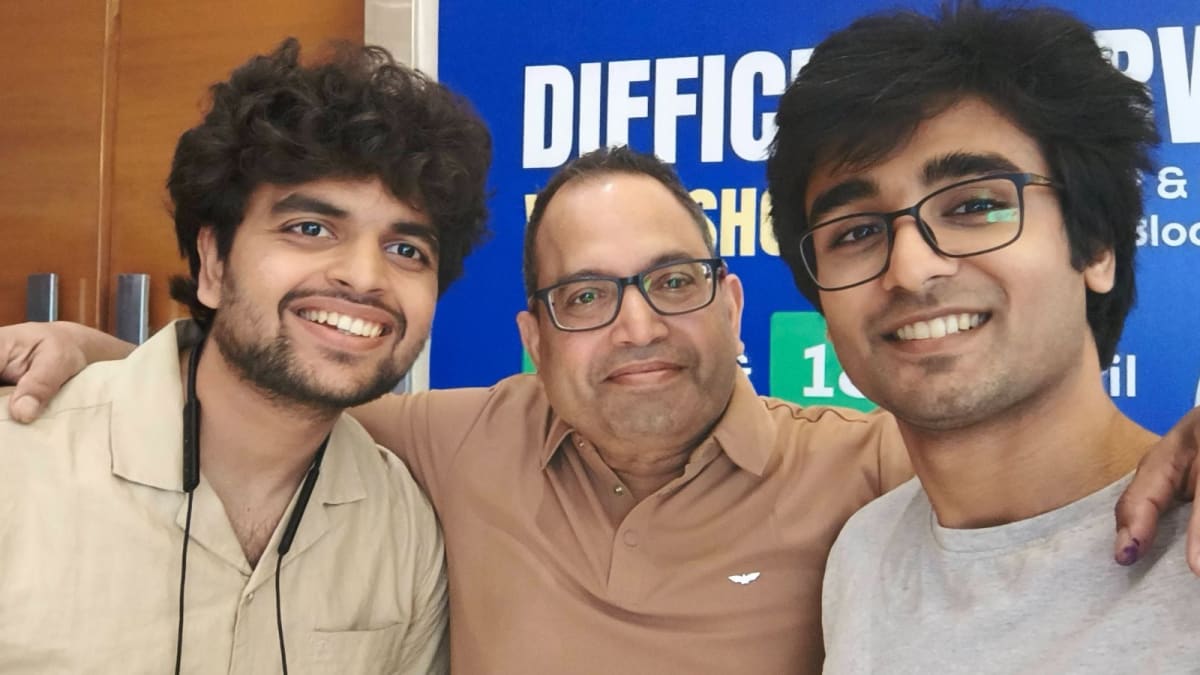
The device received approval from India's drug regulatory authority in March 2025, and within two months, 80 doctors had already purchased it. Dr. Ankit Chauhan, a senior consultant at Apollo Hospital Ahmedabad, has been using UVEAL consistently for two months and praised its high-resolution camera and simple compatibility with existing equipment.
Maanas's journey to medical innovation started long before medical school. After his parents chose homeschooling when the family moved from Bengaluru to Pune, he spent three years building intricate Lego creations alongside his father, who worked with noted science educator Arvind Gupta developing educational toys.
One of his most impressive childhood builds was a mechanically programmable letter-writing machine made from over 2,000 Lego pieces with no electronics. The machine could be programmed with physical code, read by a mechanical processor that directed which letters to write.
The Ripple Effect
Dr. Shiv Kumar Singh, a consultant anaesthesiologist at Royal Liverpool Hospital, tested UVEAL at an April workshop in Ahmedabad and immediately recognized its potential. He plans to incorporate the device into annual airway teaching programs, where it can enhance demonstration and skill development in a cost-effective way.
The innovation addresses a critical gap in Indian healthcare, where resource constraints often mean life-saving technology remains inaccessible. By converting equipment doctors already own into advanced tools, UVEAL democratizes access to safer airway management across hospitals that could never afford expensive videolaryngoscopes.
Maanas admits the startup journey has been challenging, with many doctors praising the innovation but fewer actually purchasing it. However, he remains committed to developing more affordable medical devices that solve real clinical problems.
As he prepares to join Rutgers NJMS University for a residency in internal medicine, Maanas carries forward the same curiosity that drove a homeschooled kid to build transforming robots, now channeled into innovations that give patients a better chance at survival.
Based on reporting by Indian Express
This story was written by BrightWire based on verified news reports.
Spread the positivity!
Share this good news with someone who needs it