Indian Families Turn Slums Into Dream Homes for $1,000
More than 900 people once lived in cramped metal shacks without plumbing or safe roofs in Maharashtra, India. Now they're moving into affordable apartments they helped design, paying just $1,000 each.
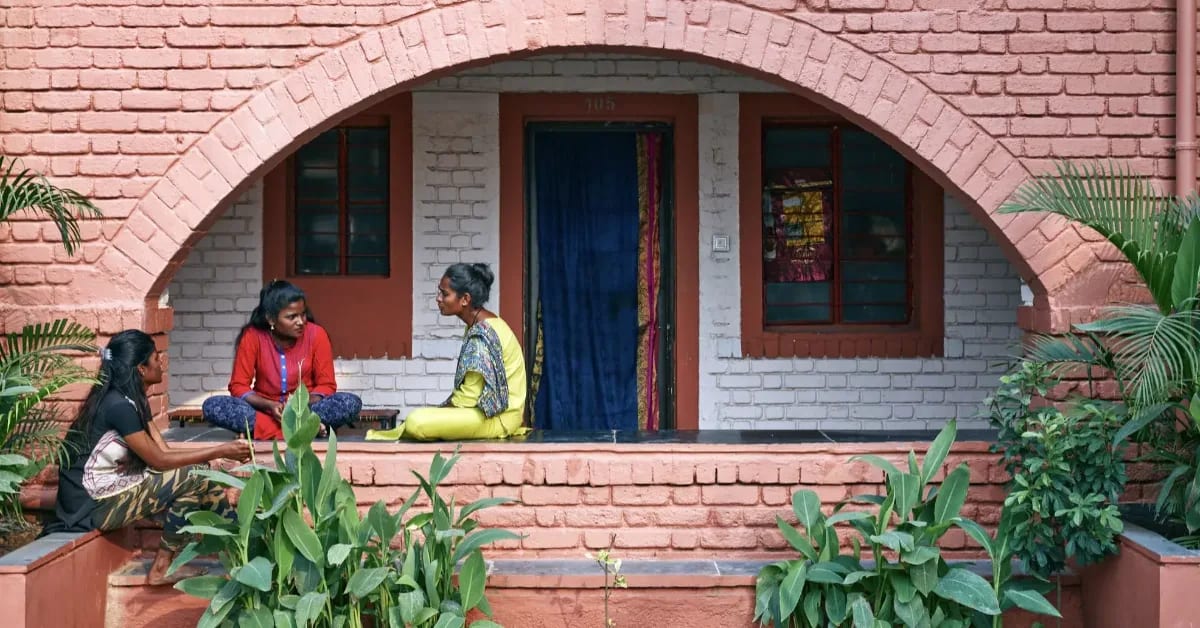
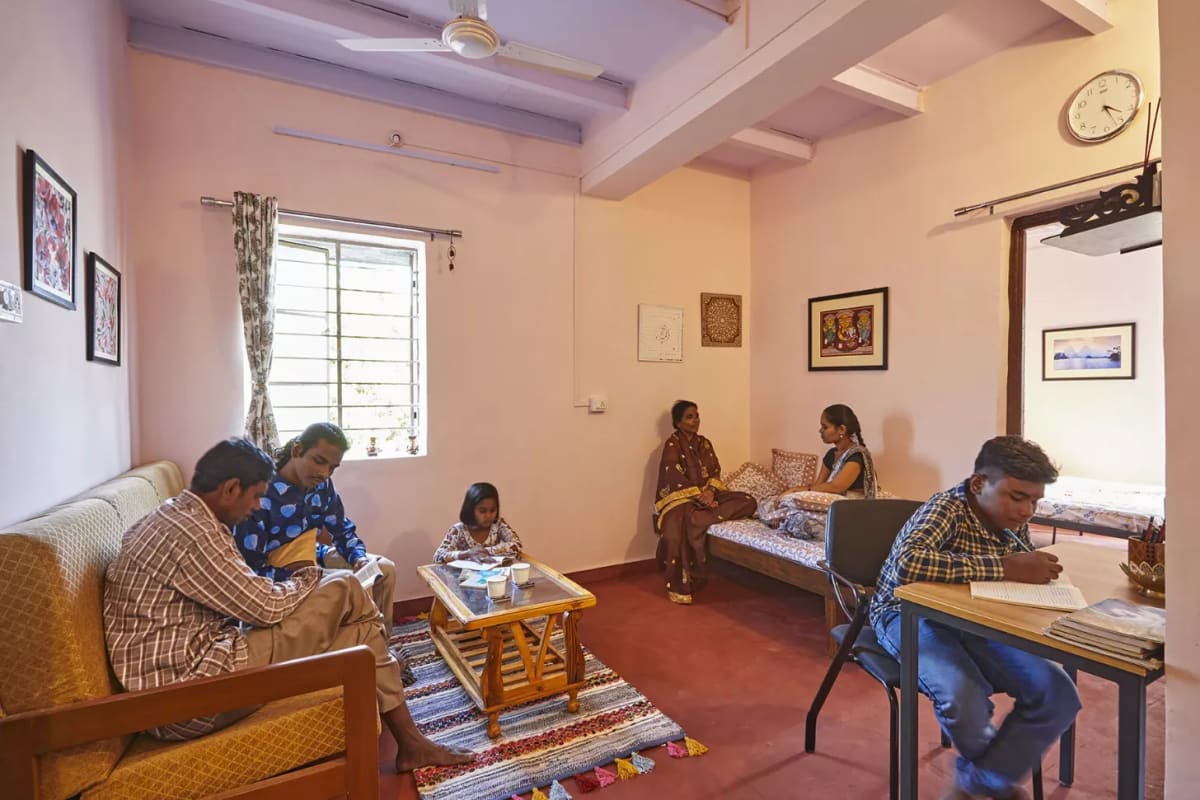
Pooja Gawali used to share a single room with six other adults in a metal shack with no indoor plumbing. Today, she has her own bedroom, kitchen, bathroom, and even a balcony in an apartment she calls "Swapnapurti," which means "a dream fulfilled."
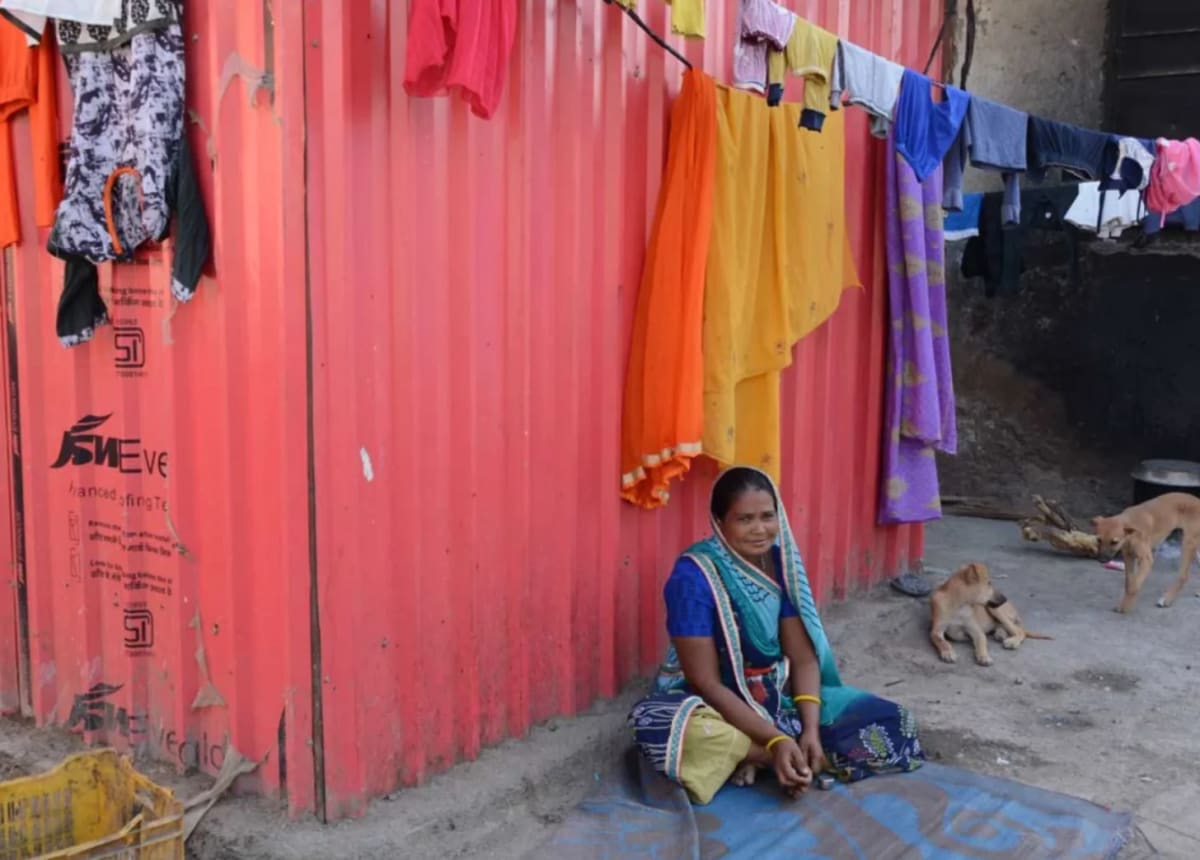
Since the 1980s, more than 900 people from 22 different communities squeezed into 206 metal shacks in Sanjaynagar, Maharashtra. Families lived without running water, leak-free roofs, or privacy.
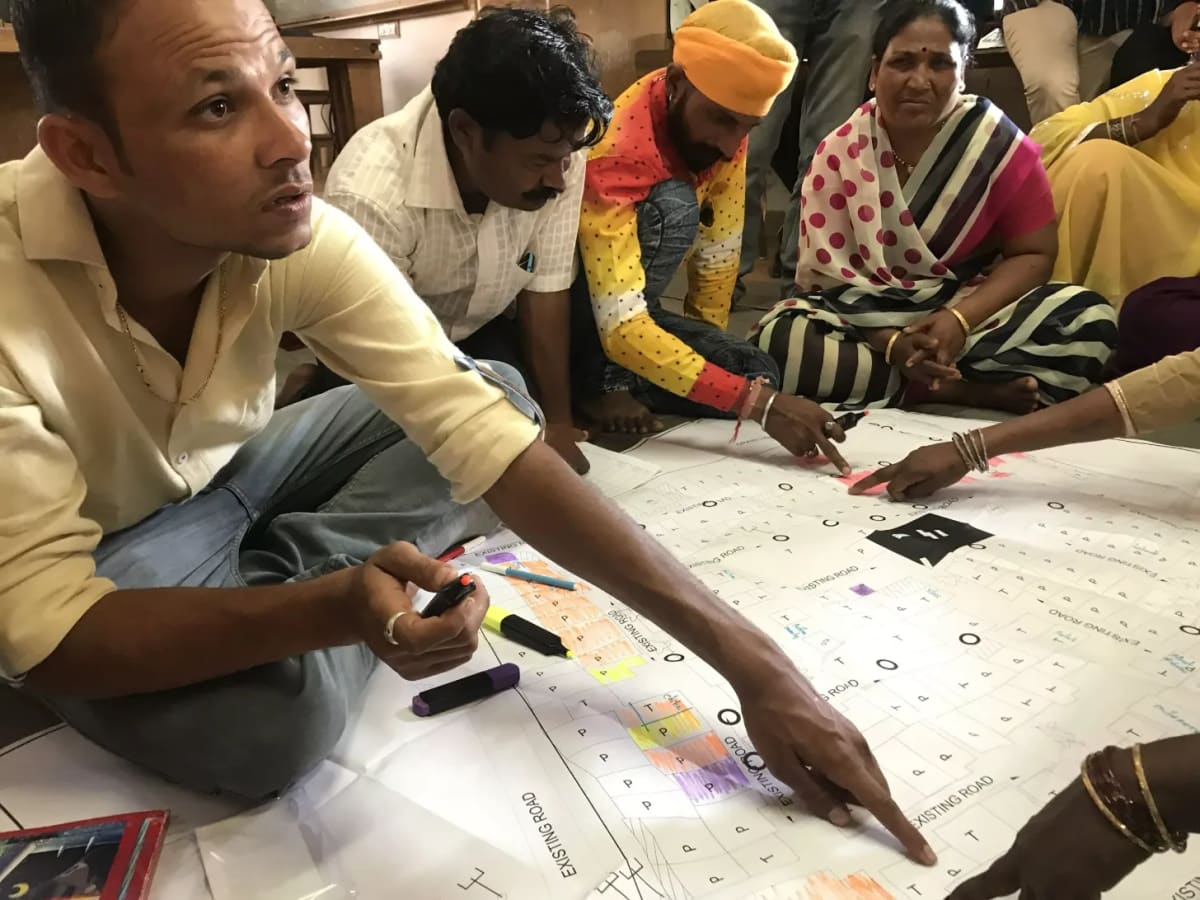
In 2018, the non-governmental organization Snehalaya partnered with the Community Design Agency to change everything. Working with India's Housing For All program, they invited all 937 Sanjaynagar residents to help design a new apartment complex and even participate in financial planning.
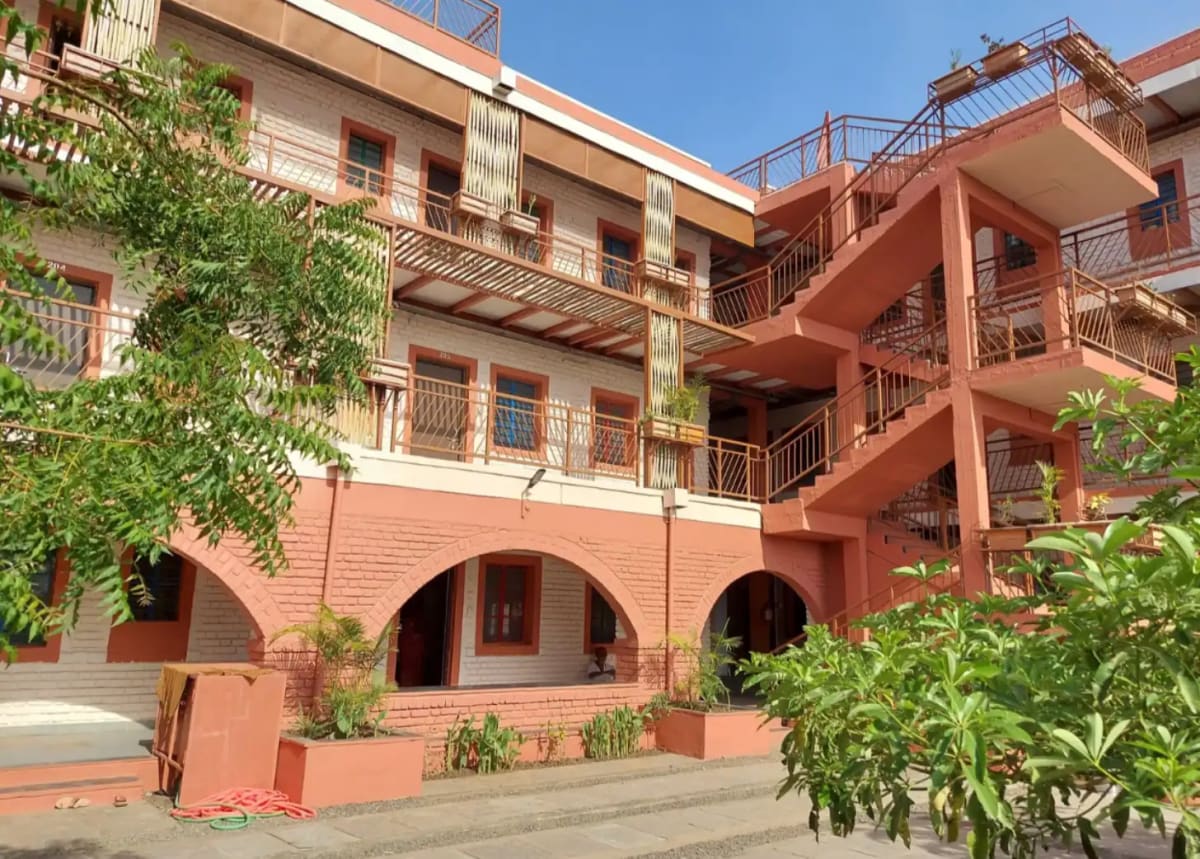
The first building now houses 33 families, about 100 people total. Each unit includes a living room, bedroom, kitchen, bathroom, and balcony with running water. Bamboo screens and special bricks made from crushed sand and ash keep homes 8 to 10 degrees cooler than before.
The complex features more than 25 community spaces including roof gardens, courtyards, and a health center. Women now own 50% of the apartments, gaining dignity and safety with private toilets and running water.
The funding model makes it work. The local government and charitable donors cover most construction costs, while families pay just 10% (about $1,000 for a 300-square-foot apartment). Residents secure low-interest loans through Rang De, a peer-to-peer lending platform that bypasses traditional banks.
"I relish the privacy I have now," Gawali said. "It's a joy to be able to live freely. We're still a tight-knit family, but life is so much easier when everyone has their own space."
The Ripple Effect
The project won a Silver prize at this year's World Habitat Awards for its community-first approach. Unlike most low-income housing programs in India that displace residents entirely, this model keeps families connected to their existing communities, jobs, and cultures.
"We often forget that slums possess high levels of social capital," said Janardhan of CDA. "These are networks built over the years on trust and solidarity. Most programs move residents to entirely new locations, and they stand to lose all of that."
A second building is already under construction, with plans for 10 total buildings in Sanjaynagar. The successful model is being shared with other city governments across India, potentially transforming how the country approaches affordable housing.
World Habitat calls it "a community-led blueprint for inclusive housing across India" that's scalable, low-carbon, and replicable.
More Images
Based on reporting by Good Good Good
This story was written by BrightWire based on verified news reports.
Spread the positivity!
Share this good news with someone who needs it