Indian Farmer Donates 100 Acres, Educates 100,000 Girls
When Babasaheb Deshmukh's daughter couldn't study past fourth grade, he gave away 100 acres of family land to build Maharashtra's first residential school for girls. That single act of generosity has now educated over 100,000 underprivileged students.
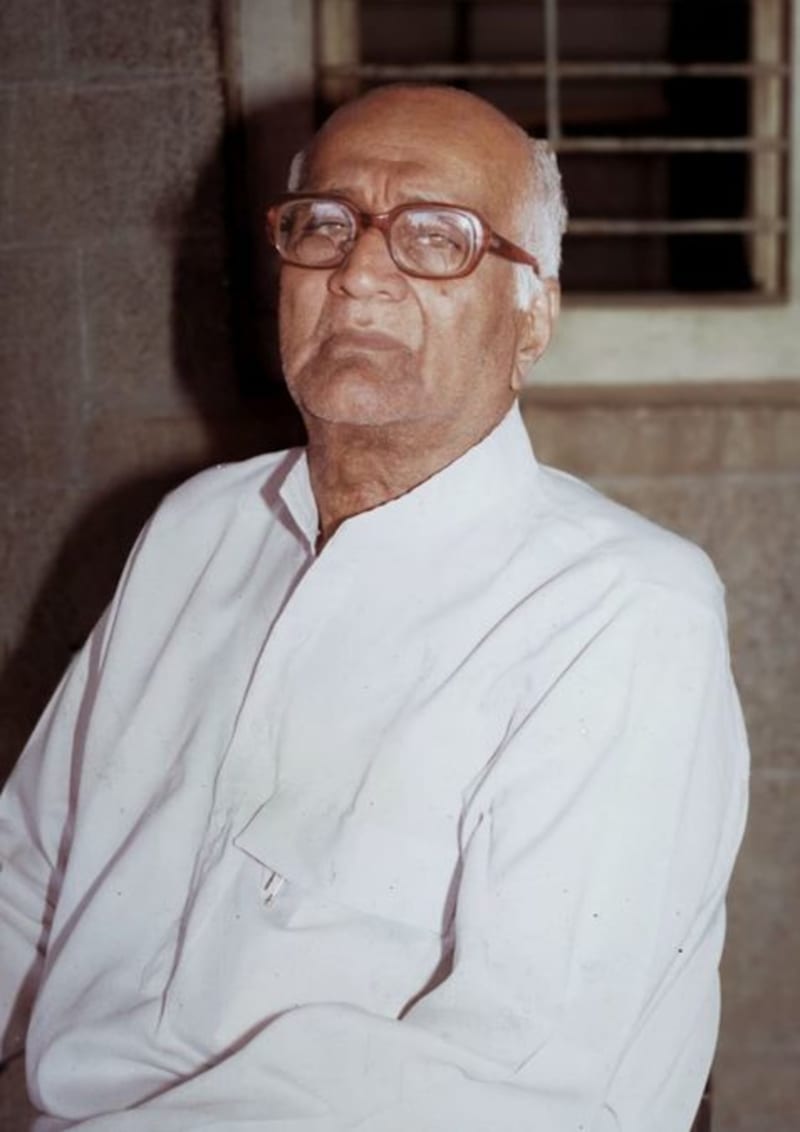
Babasaheb Keshav Narayanrao Deshmukh grew up in a region of Maharashtra where schools barely existed and girls weren't allowed to learn. When his own daughter hit a wall at fourth grade, he made a decision that would change thousands of lives.
Born into a landowning family with 1,000 acres in Nanded district, Babasaheb had been forced to stop his education after tenth grade. Watching his daughter face the same barrier sparked something deeper in him.
Inspired by social reformer Maharshi Karve, Babasaheb donated 100 acres of his family's land in 1959. He founded Sanskriti Samvardhan Mandal and opened the region's first residential school for girls.
The school started small with 37 students learning in huts. Volunteers and community members pitched in to keep it running.
Babasaheb's commitment was contagious. He donated another 50 acres, and villagers were so moved they contributed an additional 50 acres of their own land.
Money was always tight. Babasaheb would ride public buses seeking donations to keep the doors open. The school relied on traditional sports and basic resources, making every rupee count.
But the vision never wavered. Children of farmers and laborers who would have never seen a classroom got their chance at education.
The Ripple Effect
Over 100,000 students from underprivileged backgrounds have now received free education through the school. What started as one father's frustration became a movement that transformed rural education in the region.
The institution grew beyond academics. Sanskriti Samvardhan Mandal integrated sports, vocational training, and life skills into its curriculum.
In 2019, the school expanded into skill-based education, adding fine arts and technology programs. Students now leave with practical abilities that help them build sustainable livelihoods.
One man's 100 acres planted seeds that grew into futures for 100,000 students, most of them girls who would have been denied any education at all.
Based on reporting by The Better India
This story was written by BrightWire based on verified news reports.
Spread the positivity!
Share this good news with someone who needs it