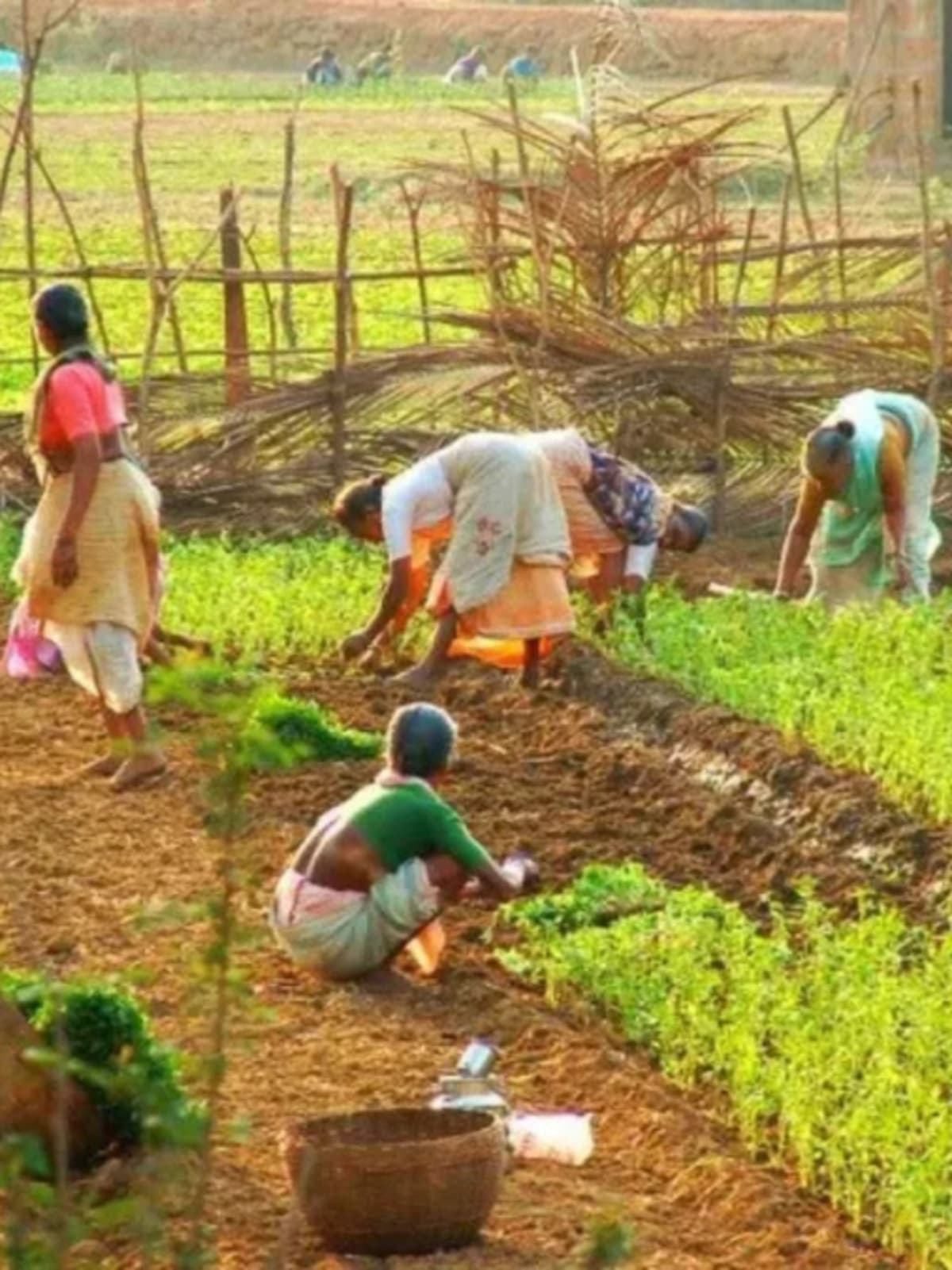
Indian Farmers Earn New Income From Carbon Credits
Four startups are helping Indian farmers earn money not just from crops, but from keeping carbon out of the atmosphere. The programs turn sustainable farming practices into verified carbon credits that generate real income.
Imagine getting paid for improving your soil while fighting climate change. That's exactly what's happening for over 200,000 Indian farmers who are turning their fields into carbon-capturing money makers.
Four innovative startups are bridging the gap between small-scale farming and global carbon markets. They're proving that climate action and farmer prosperity can grow together.
Varaha, founded in 2022, leads the pack with more than 200,000 farmers across India and beyond. The company uses satellites and AI through its Vann app to track reduced tillage, biochar use, and agroforestry practices that keep carbon in the soil. Farmers receive a share of carbon credit revenue, often starting in their first year.
Mitti Labs tackles a different problem: methane emissions from flooded rice paddies. Founded in 2023, the startup promotes Alternate Wetting and Drying, which drains fields periodically instead of keeping them constantly flooded. This simple change cuts methane emissions by up to 50% while conserving water.
Using satellite radar and digital field twins, Mitti Labs verifies practices across thousands of plots. Farmers receive a significant share when their verified emission reductions become tradeable carbon credits under rigorous Gold Standard methods.
Boomitra has been in the game since 2017, measuring soil carbon using AI and satellite data instead of expensive physical testing. Farmers adopt cover crops, reduced tillage, and rotational grazing while earning 75% or more of the carbon credit revenue through registries like Verra and Social Carbon.
The newest player, Prithu, launched in 2024 with ambitious goals. After securing Rs 10 crore in seed funding, the Gurugram startup aims to sequester 20 million tonnes of CO2 across 500,000 hectares by 2030. It uses blockchain technology to bring transparency to the verification process.
The Ripple Effect
These programs create wins across the board. Farmers gain a new income stream that rewards soil health and sustainability. Their fields become more resilient while producing the same crops. Meanwhile, companies and countries seeking to offset emissions get verified carbon credits from real, measurable climate action.
The model transforms farming from a carbon source into a climate solution. Small farmers who've contributed least to climate change now have financial incentive to be part of fixing it.
What makes these startups special is their commitment to keeping most revenue in farmers' hands. By handling the complex verification, monitoring, and market access, they remove barriers that once kept small farmers out of carbon markets entirely.
The technology behind the tracking is equally impressive. Satellites, AI, and blockchain replace costly field visits and manual measurements, making programs scalable across thousands of scattered plots.
India's agricultural landscape is changing one field at a time, proving that fighting climate change doesn't require sacrifice when innovation creates opportunity instead.
Based on reporting by The Better India
This story was written by BrightWire based on verified news reports.
Spread the positivity!
Share this good news with someone who needs it