Indian Fashion Platform Ships Heritage to Six Continents
Shobitam connects handloom artisans across India directly with customers from Alaska to New Zealand, proving ethnic fashion can thrive globally. The platform now represents over 75 craft partners and has earned 13,000 five-star reviews.
📺 Watch the full story above
A girl stitching her birthday skirt from leftover saree fabric in the 1990s grew up to build the largest cross-border ethnic fashion platform serving North America.
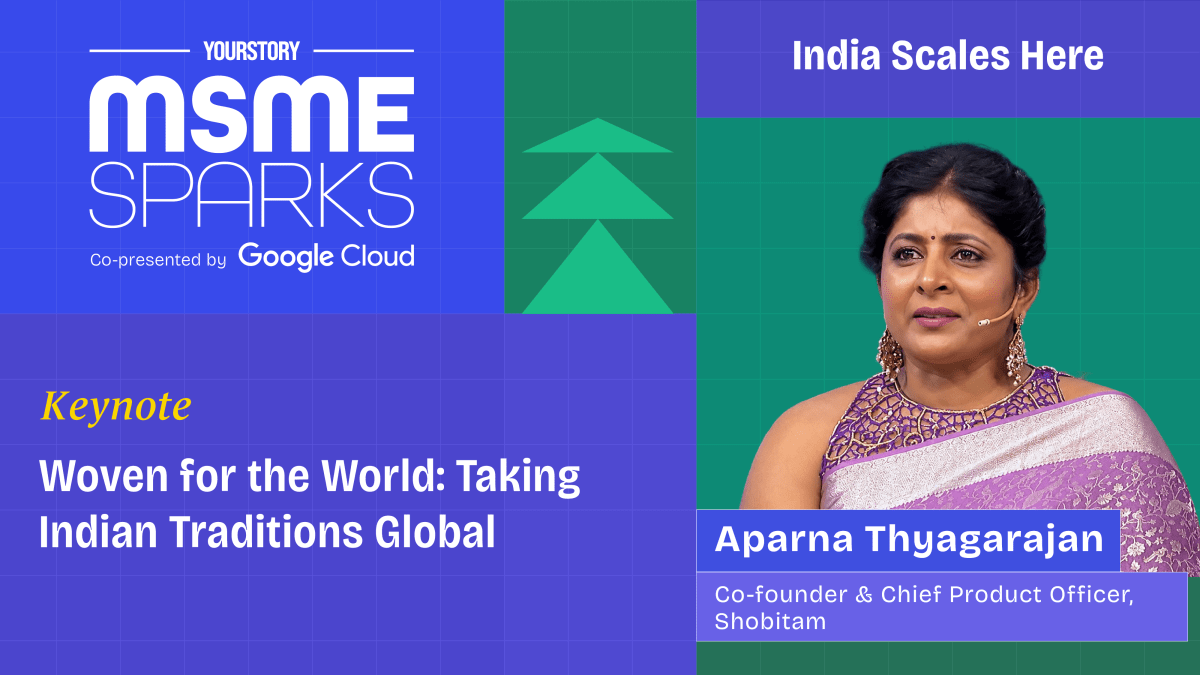
Aparna Thyagarajan, co-founder of Shobitam, shared her journey at YourStory's MSME Sparks 2026 conference in Bengaluru this June. Her company now ships Kashmiri sarees, Madurai Sungudis, Ajrakh prints, and Jamdani weaves to customers across six continents, including remote cities like Fairbanks, Alaska and Wellington, New Zealand.
"India is no longer trying to blend in," Thyagarajan told the audience. She described wearing Indian textiles woven into Western silhouettes throughout her life, watching people pause to ask about her clothing with genuine curiosity.
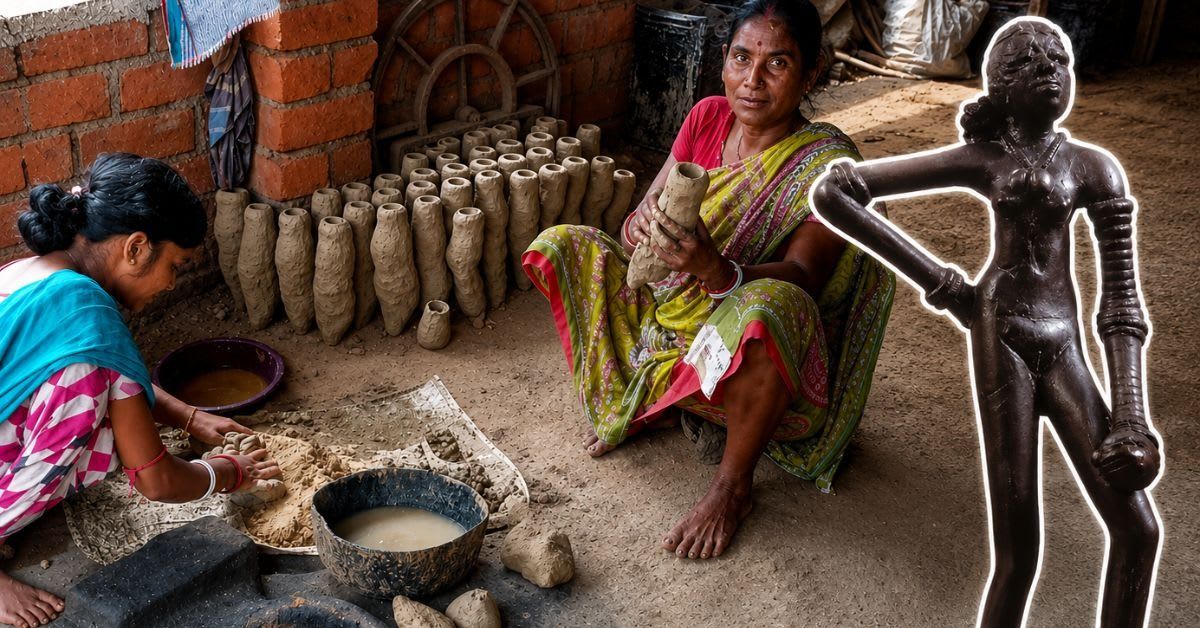
Shobitam takes a different approach than typical fashion brands. Instead of focusing on a few well-known styles, the platform showcases the full spectrum of India's textile traditions, working directly with more than 75 artisan partners across the country.
The company has eliminated middlemen entirely, connecting makers straight to customers. This model supports India's handloom sector, the country's second largest industry after agriculture, while offering global customers free shipping and strong service.
The Ripple Effect
Shobitam's success ripples far beyond individual sales. The platform supports roughly 33 crore livelihoods connected to India's MSME sector, which contributes nearly half of the country's exports and 30% of its GDP.
By working directly with grassroots artisans, the company ensures more money reaches the hands actually weaving the textiles. Customers around the world often think Shobitam is a local business because of how personalized the experience feels, despite operating across continents.
Thyagarajan emphasized that taking heritage global requires more than preservation. The company developed preset sarees that look traditional but can be worn in a minute, recognizing that many younger women never learned traditional draping methods.
"Just because your mom liked a particular saree doesn't mean that a woman in Australia is going to instantly like it," she explained. The key is pairing heritage with global aesthetics and understanding what feels relevant to customers today.
The company navigates challenges like the 50% US tariffs imposed last year by staying agile, tracking policy changes, and setting up entities in lower-tariff jurisdictions when needed. Thyagarajan stressed that digital infrastructure is now non-negotiable for any MSME hoping to scale internationally.
Actor Vidya Balan serves as Shobitam's global brand ambassador, chosen not just for recognition but for genuine belief in Indian textiles. The partnership helps bridge regional differences within India while building international appeal.
Thyagarajan summed up the company's philosophy as "look good, do good, feel good," proving that traditional crafts can thrive when they meet customers where they are.
More Images




Based on reporting by YourStory India
This story was written by BrightWire based on verified news reports.
Spread the positivity!
Share this good news with someone who needs it