Indian Fishermen Now Worship the Whale Sharks They Once Killed
A fisherman in India destroyed his own $2,500 net to free a trapped whale shark, calling it "like my daughter." Two decades ago, he would have killed it for profit.
When Ganeshbhai Devjibhai Varidum spotted a massive whale shark tangled in his fishing net off India's coast, he made a choice that would have shocked fishermen just 25 years ago. He cut his $2,500 net to set the gentle giant free.
"The whale shark is like my daughter," says the 54-year-old fisherman. "If she hurts, I hurt."
His compassion reflects an extraordinary transformation along Gujarat's shoreline. Until the late 1990s, these coastal waters were ground zero for whale shark hunting. Fishermen slaughtered 400 to 500 of these bus-sized creatures every year, harvesting their oil to waterproof boats and selling their fins for profit.
The fish didn't even have a name in the local language. Fishers simply called them "badi macchli," or big fish.
Everything changed in 2000 when filmmaker Mike Pandey's documentary exposed the carnage. India granted whale sharks the same legal protection as tigers and elephants in 2001. But the Wildlife Trust of India knew laws alone wouldn't save the species.
They needed to change hearts, not just behavior.
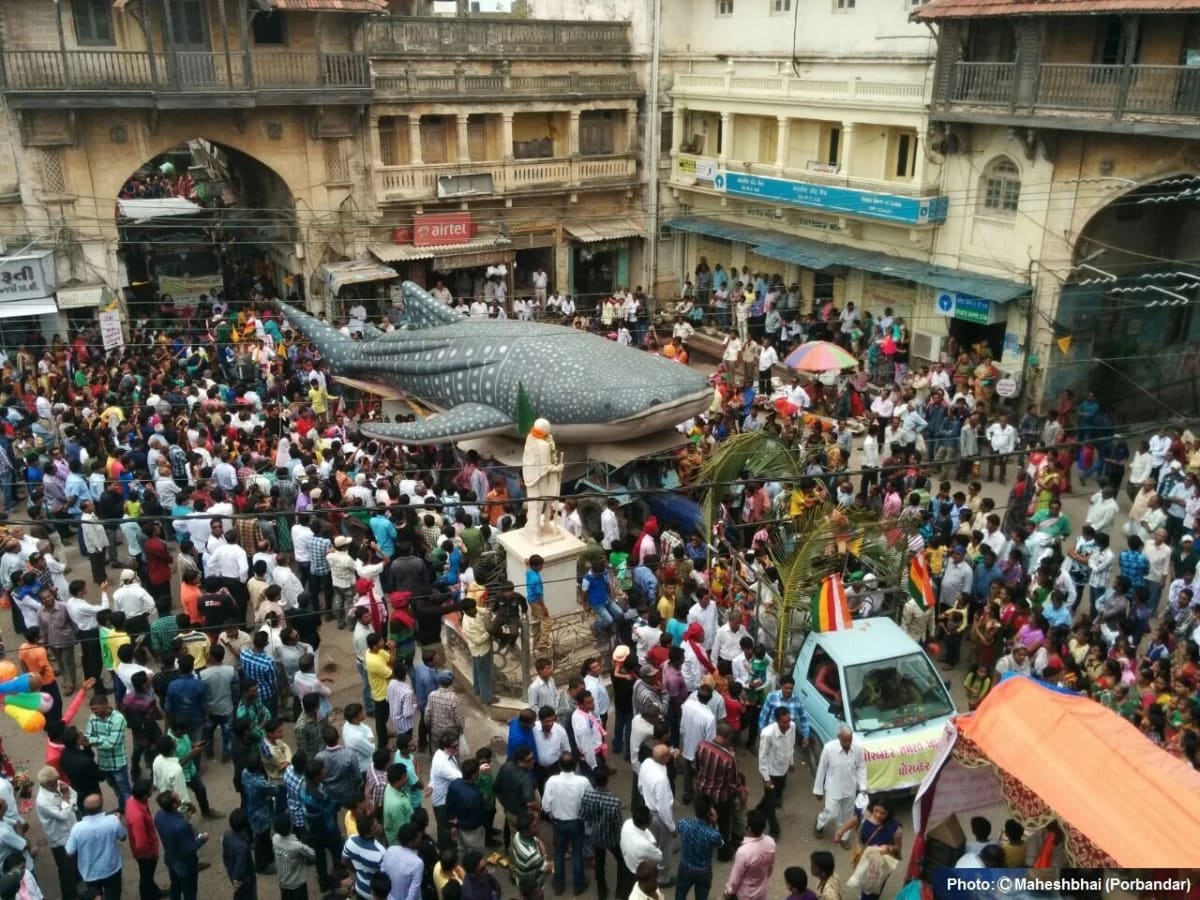
Their breakthrough came from an unexpected source: a Hindu spiritual leader named Morari Bapu. In his sermons to millions of followers across Gujarat, Bapu compared whale sharks to beloved daughters returning home to give birth. He urged listeners to protect these gentle visitors to their shores.
The message spread like wildfire through fishing villages. The once-nameless fish became "vhali," meaning beloved one in the local language.
The Ripple Effect
Over two decades later, Bapu's spiritual framing still shapes how fishermen see whale sharks. Ratilal Bamaniya, a village leader, puts it simply: "The whale shark is the largest fish in the sea but it never harms anyone. So why should we harm it?"
With support from Tata Chemicals and the Gujarat Forest Department, the Wildlife Trust expanded their conservation program. The state now celebrates Whale Shark Day every November 20th. Fishermen who rescue trapped whale sharks receive compensation for damaged nets and public recognition as heroes.
The program trained thousands of fishermen in safe release techniques. Community workshops spread the conservation message to schools and coastal villages. What started as a wildlife protection effort became a cultural movement.
Whale sharks still face threats from vessel strikes and climate change worldwide. But along Gujarat's coast, former hunters have become the species' most devoted protectors. Fishermen now compete to share rescue stories, each tale reinforcing the vhali's sacred status in their community.
Varidum says watching the freed whale shark swim away gave him "peace of mind." For India's whale sharks, that peace of mind translates into a real chance at survival.
Based on reporting by Reasons to be Cheerful
This story was written by BrightWire based on verified news reports.
Spread the positivity!
Share this good news with someone who needs it