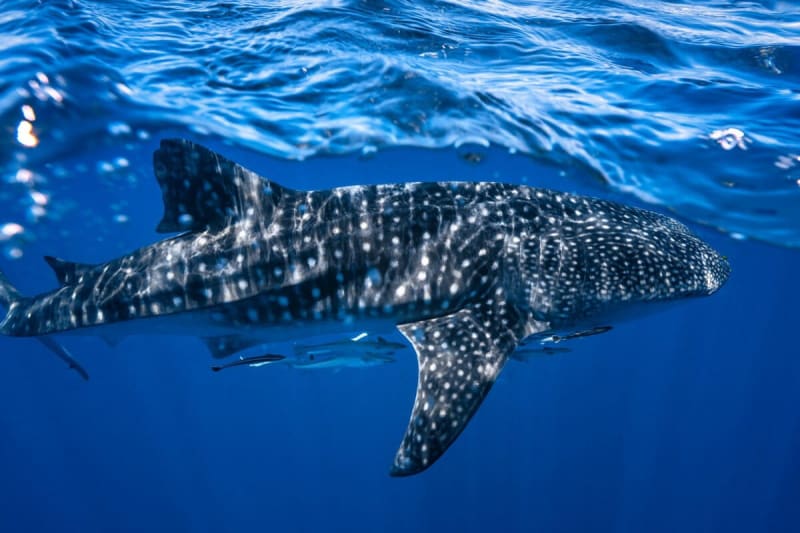
Indian Fishers Free 1,000+ Whale Sharks in 20 Years
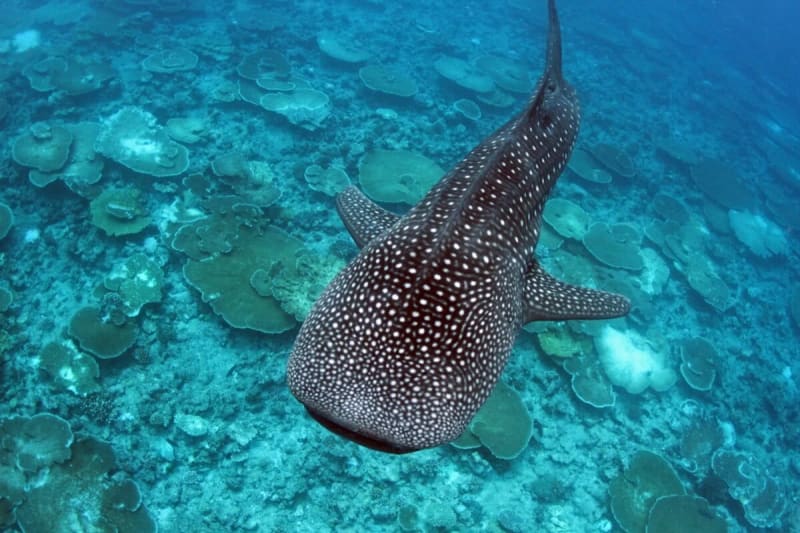
Fishers along India's coast are cutting their own nets to save whale sharks, the world's largest fish. More than 1,000 of these gentle giants have been rescued since communities turned from hunters to protectors.
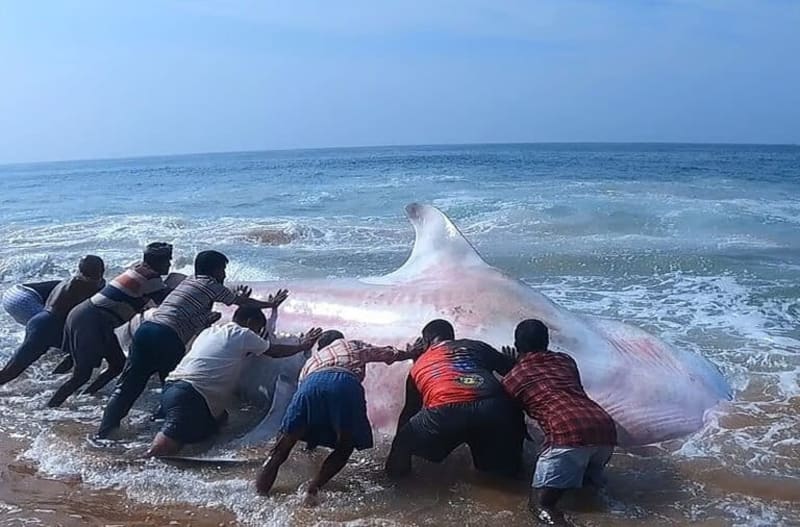
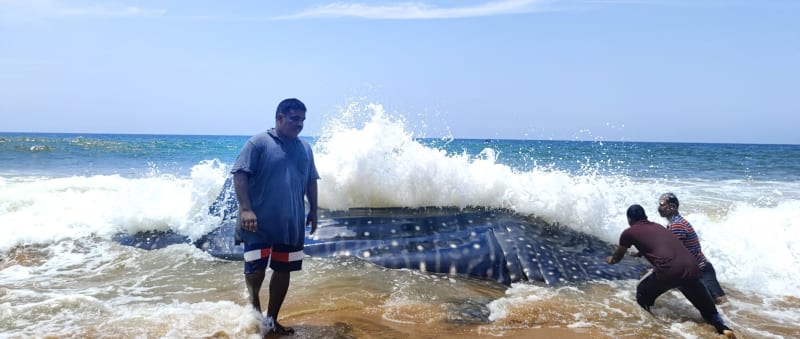
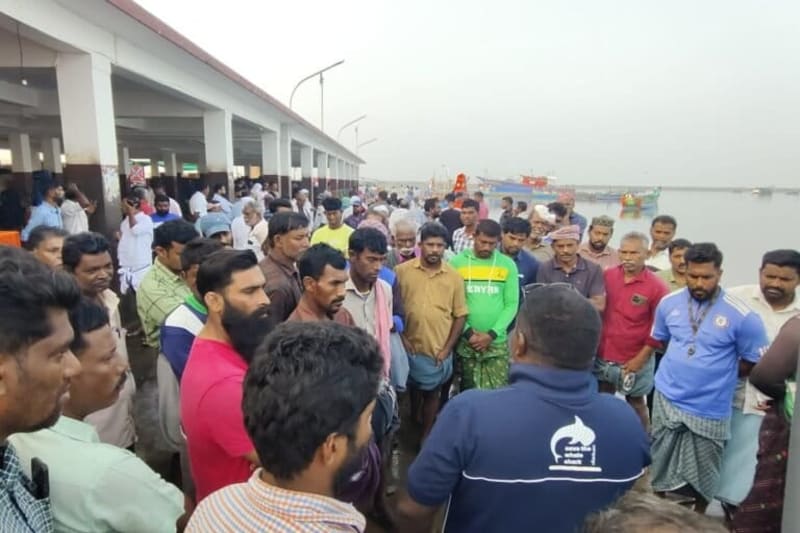
On a March morning off Kerala's coast, fishers faced an impossible choice: save their net and a month's income, or free the massive whale shark thrashing inside it. They chose the shark.
That moment represents a stunning reversal along India's Arabian Sea coast. Two decades ago, hundreds of whale sharks were slaughtered annually in Gujarat for their liver oil and meat. When fresh meat demand dropped, poultry farms bought the carcasses in bulk.
Everything changed in 2001 when the Wildlife Trust of India launched the Save the Whale Shark campaign. A spiritual leader named the species "Vhali," meaning "the beloved one," and urged protection. Street plays, school programs and public pledges transformed how communities saw these gentle giants.
That same year, India granted whale sharks the same legal protection as tigers. The shift from killing to rescuing began immediately.
Today, fishers voluntarily cut their nets to free trapped whale sharks, and the Wildlife Trust compensates them $276 for each damaged net. The program now spans six states and islands along India's western coast: Gujarat, Maharashtra, Goa, Karnataka, Kerala and Lakshadweep.
In Kerala, traditional kambavala nets posed unique dangers. These stake nets form funnel-shaped barriers perfect for catching mullets and sardines but deadly for whale sharks, dolphins and rays. When whale sharks enter during high tide, they become trapped as water levels drop.
Sajan John, who leads marine projects at Wildlife Trust of India, explains the breakthrough. "We realized people wanted to help, they just couldn't afford to. No one should lose their income for saving a life."
Ajit Shanghumukhom coordinates rescues in Thiruvananthapuram after returning from 20 years working as a chef abroad. He started filming fishing life for YouTube before becoming a trained volunteer. Now he makes the calls that save lives, even when it costs fishers their livelihoods.
The Ripple Effect
This transformation extends beyond saving individual animals. Fishers now send alerts the moment they spot a whale shark, creating an informal rescue network across the coast. Small mechanized crews join traditional fishers in protecting the ocean's largest fish.
The cultural shift runs deep. Communities that once saw whale sharks as resources now call them beloved ones. Children learn about conservation in schools while their parents practice it at sea.
More than 1,000 rescued whale sharks now swim freely because fishers chose compassion over profit, one cut net at a time.
More Images
Based on reporting by Mongabay
This story was written by BrightWire based on verified news reports.
Spread the positivity!
Share this good news with someone who needs it