Indian Immigrant Invented Modern Shampoo 200 Years Ago
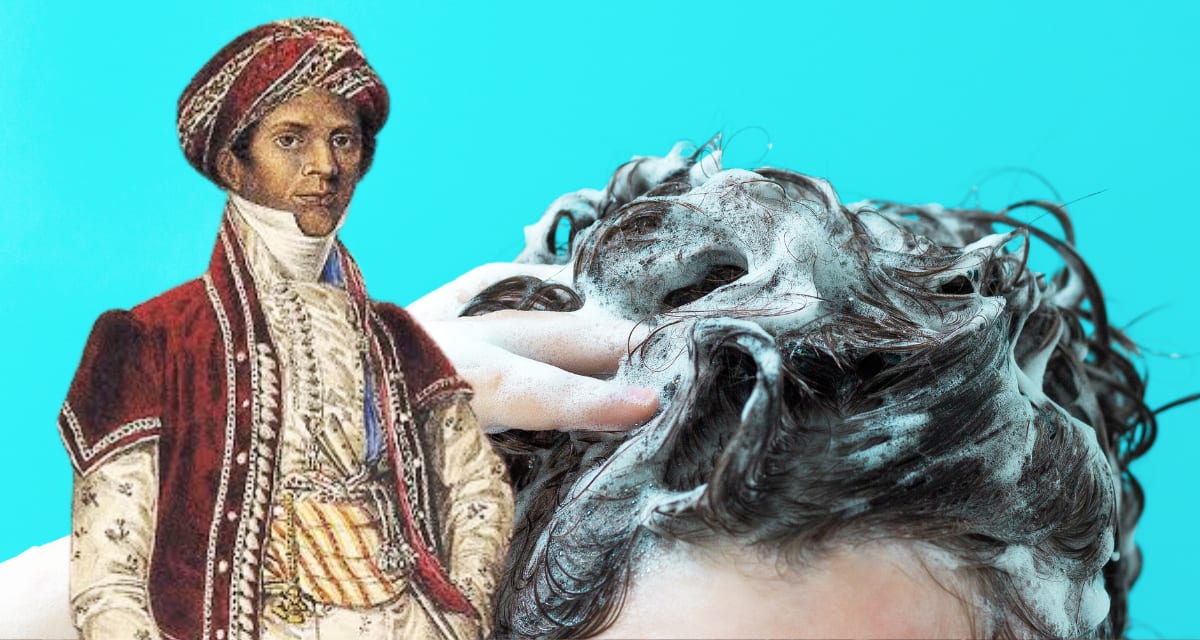
Before bottles lined store shelves, an Indian entrepreneur named Sake Dean Mahomed brought "shampooing" to Britain in the early 1800s, transforming a therapeutic massage into the hair-washing ritual we know today. His journey from soldier to royal "shampooing surgeon" changed hygiene forever.
The next time you lather up in the shower, thank an Indian immigrant who convinced Victorian Britain that washing your hair was actually a good idea.
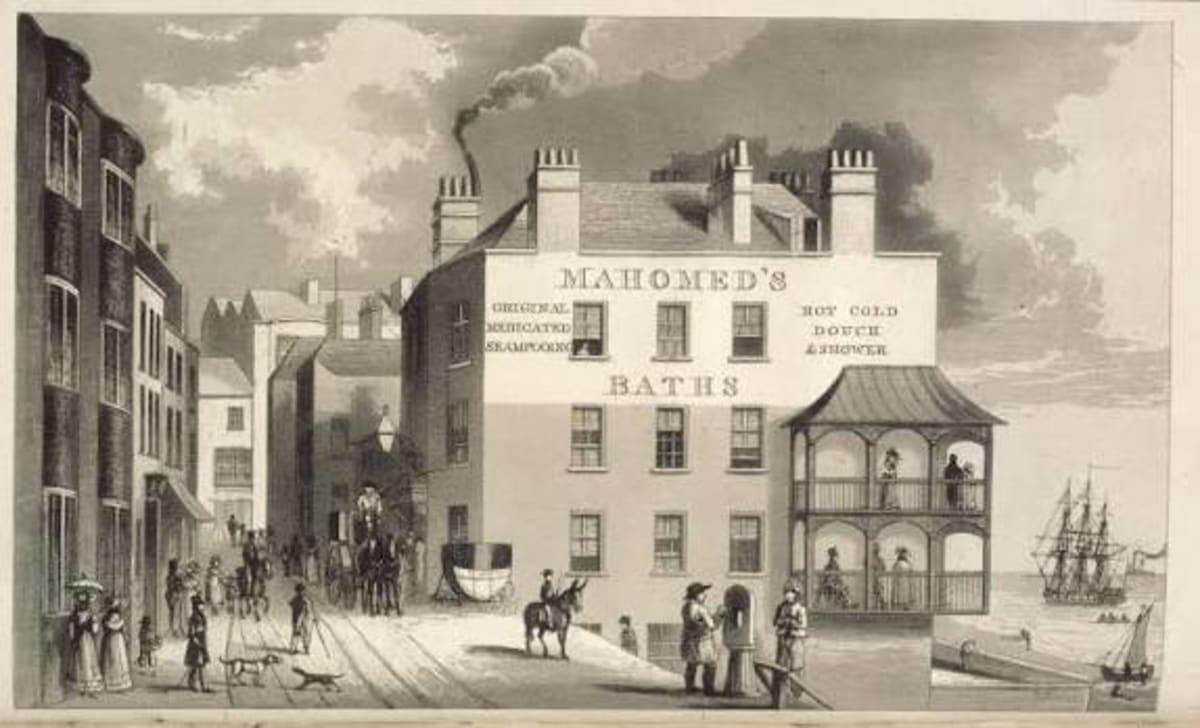
Sake Dean Mahomed didn't set out to revolutionize personal care when he opened a bathhouse in Brighton, England, in the early 1800s. Born in Patna, India, in 1759, he served in the British East India Company's army before following his commanding officer to Ireland, where he fell for a local woman named Jane Daly and eloped.
The couple landed in Brighton, a seaside resort town packed with wealthy people chasing the latest health trends. Mahomed saw an opportunity to share something from his homeland: the Indian practice of "champo," meaning to press, knead, or soothe the body and scalp with aromatic oils and steam.
His bathhouse offered a full sensory experience with herbal steam, warm Indian oils, and therapeutic massages that promised relief from rheumatism and stiff joints. But convincing Victorians to embrace his methods proved harder than expected.
Victorian England wasn't exactly known for cleanliness. Women were warned against washing their hair daily for fear it would fall out. Dirty hair was normal, and powdered wigs conveniently covered the problem.
Mahomed knew he faced an uphill battle. "It is not in the power of any individual to establish a new opinion without the risk of incurring the ridicule of some portion of mankind," he wrote in his 1826 book about the practice.
But word spread about the miraculous results at his bathhouse. His clientele climbed all the way to royalty when King George IV and King William IV both appointed him their official "shampooing surgeon." Locals started calling him "Dr. Brighton."
In 1824, a Polish princess traveled to Brighton specifically for his treatments and gifted him and Jane an engraved silver cup as thanks. After years of struggle, including a failed Indian restaurant venture in London, Mahomed had finally found his calling.
The Ripple Effect
Mahomed's success planted seeds that grew far beyond his Brighton bathhouse. The word "shampoo" slowly shifted from meaning a massage to describing the hair-washing products we use today. What started as an Indian wellness practice became a global industry worth billions.
His story also represents something bigger: an immigrant bringing knowledge from one culture and enriching another, despite skepticism and resistance. He wrote the first book in English by an Indian author, opened England's first Indian restaurant, and literally taught a nation how to care for itself better.
Today's shampoo bottles promising volume, shine, and miraculous transformations trace their roots back to those steamy rooms in Brighton, where Mahomed combined ancient Indian wisdom with Victorian entrepreneurship. His innovation survived long after the powdered wigs disappeared, proving that good ideas transcend borders and generations.
More Images

Based on reporting by Upworthy
This story was written by BrightWire based on verified news reports.
Spread the positivity!
Share this good news with someone who needs it