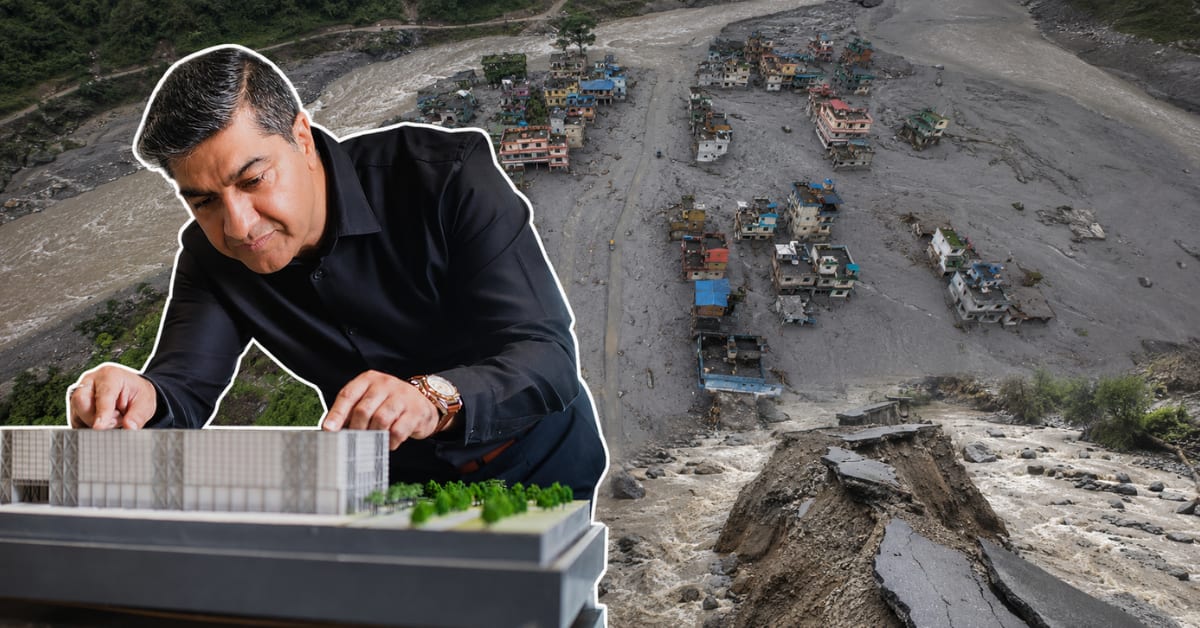
Indian Planner Shares Blueprint for Safer Himalayan Towns
After floods killed over 1,000 in Nepal, urban planner Dikshu Kukreja is pushing India to redesign how it builds across the fragile Himalayan region. Nearly 50 million Indians live in these young, unstable mountains, where current development treats them like flat plains.
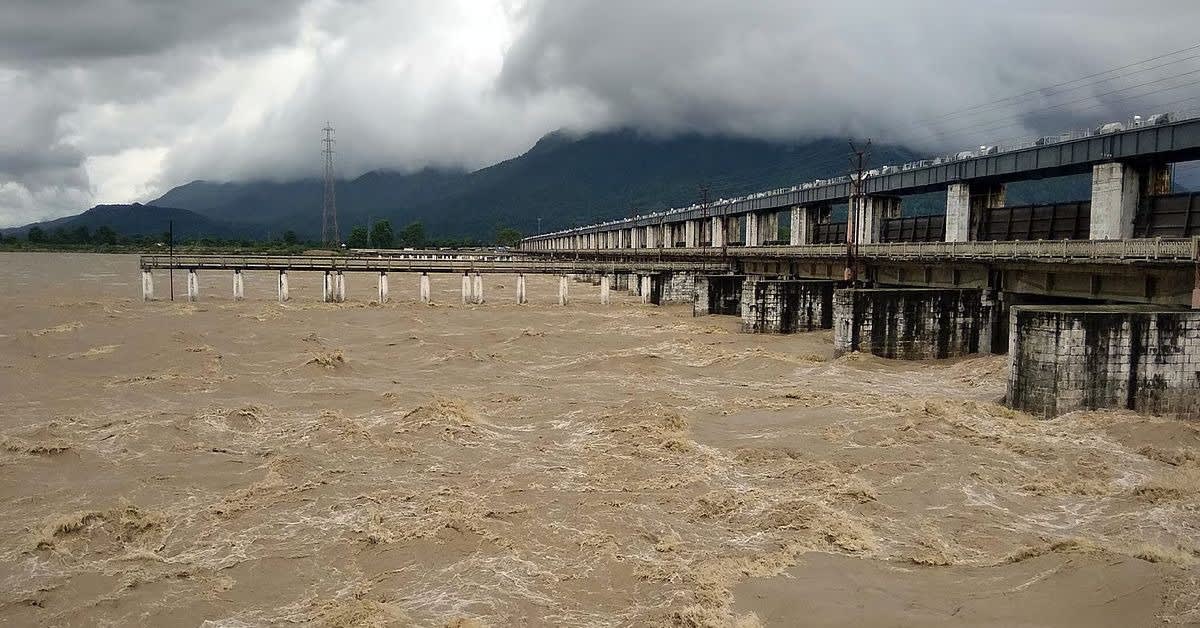
When glacial ice broke loose in Nepal's Langtang range on August 26, communities downstream had no warning of what was coming. The avalanche turned into a debris-filled flood that raised the Trishuli River nine meters in just 30 minutes, destroying 19 bridges and leaving over 1,000 dead.
For Indian architect and urban planner Dikshu Kukreja, that disaster carries an urgent message for his own country. He's calling for India to completely rethink how it develops roads, towns, and infrastructure across the Himalayas.
"Are we developing the Himalayas as though they were the plains?" Kukreja asks. "The topography of mountains is completely different, and it affects the whole landscape."
The numbers make his concern clear. Nearly 50 million people live across India's Himalayan region, which stretches 2,500 kilometers through 13 states and territories. Roads, hydropower projects, tourism hubs, and expanding towns all crowd into the same narrow, geologically fragile space.
The Himalayas are still forming, pushed upward by tectonic forces that make them naturally prone to landslides and erosion. Climate change adds another layer of instability to an already vulnerable system.
Kukreja believes India needs to approach Himalayan development "on an urgent war footing." Instead of starting with where to build the next highway or hotel, planners should first ask what that construction does to the mountain itself.
He advocates for smaller, distributed infrastructure that works with the landscape rather than against it. Better traffic management could reduce the push for four-lane and eight-lane highways carved into unstable slopes.
Why This Inspires
What makes Kukreja's approach hopeful is that he's not saying development must stop. He's saying it needs to be smarter and designed for the reality of these young mountains.
His vision recognizes that people have lived in the Himalayas for generations and will continue to do so. The question isn't whether to build, but how to build in ways that protect both communities and the landscape they depend on.
India has the engineering expertise, the planning knowledge, and now a clear warning from its neighbor. Kukreja's call for mountain-first design offers a practical path forward that could save thousands of lives while still supporting the 50 million people who call these peaks home.
The Himalayas aren't going to stop moving, but India can start building as if it understands that.
More Images
%2Fenglish-betterindia%2Fmedia%2Fmedia_files%2F2026%2F09%2F04%2Ffloods-3-2026-09-04-19-54-38.png)
%2Ffilters%3Aformat(webp)%2Fenglish-betterindia%2Fmedia%2Fmedia_files%2F2026%2F09%2F04%2Ffloods-1-2026-09-04-18-57-47.png)
%2Ffilters%3Aformat(webp)%2Fenglish-betterindia%2Fmedia%2Fmedia_files%2F2026%2F09%2F04%2Fnepal-floods-2026-09-04-20-05-12.png)
Based on reporting by The Better India
This story was written by BrightWire based on verified news reports.
Spread the positivity!
Share this good news with someone who needs it