Indian School Feeds 1,500 Daily Without Gas, Using Farm Waste
While fuel shortages disrupt kitchens nationwide, one school in Maharashtra hasn't used a single gas cylinder in a decade. Their flameless kitchen runs entirely on agricultural waste, proving sustainable solutions work when planned early.
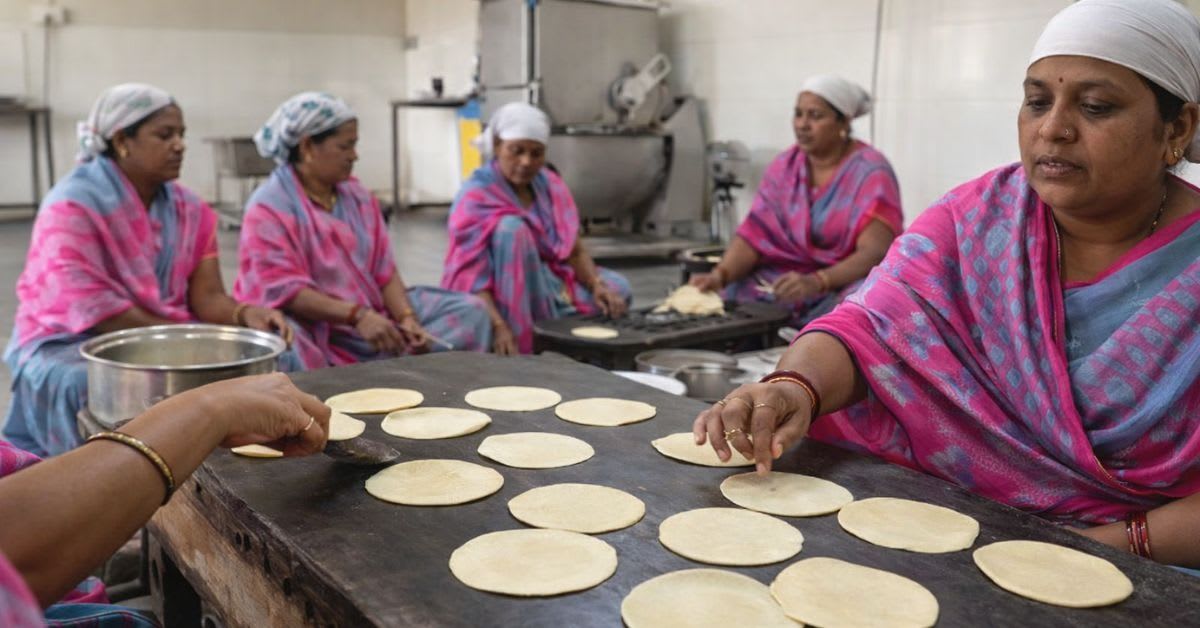
While families across India struggle with LPG shortages and rising fuel costs, Prabhat Day Boarding School in Akola, Maharashtra serves 1,500 hot meals daily without touching a single gas cylinder.
The secret isn't rationing or compromise. It's a flameless kitchen system the school installed nearly ten years ago, long before today's energy crisis made headlines.
Instead of traditional gas burners, the kitchen uses something called a thermic fluid heating system. Heated oil flows through pipes, transferring consistent warmth to cooking vessels without any open flame.
The power source makes it even more remarkable. The system runs on fuel pellets made from agricultural waste, turning leftover crop residue into reliable cooking energy.
For the kitchen staff, the difference is immediate and personal. Anyone who has worked over gas stoves during summer knows the intense, suffocating heat.
Here, temperatures stay manageable throughout the day. There's no risk of gas leaks or cylinder explosions, and the air stays clearer without constant combustion happening overhead.
The school didn't make this choice because of headlines about fuel shortages. They made it because someone looked ahead and asked what would be more reliable, safer, and smarter for the long run.
Today, while other institutions scramble to adjust menus or reduce portions due to fuel costs, this kitchen operates exactly as it always has. The supply chain disruptions that affect conventional fuel simply don't touch them.
The Ripple Effect
What started as one school's decision has become a working model for what's possible. Every day, this kitchen proves that sustainable alternatives aren't just good for the environment but also more stable and cost effective over time.
The system produces almost no carbon emissions compared to gas cooking. It eliminates dependency on fuel that must be transported, stored, and constantly replenished.
Other schools and institutions now visit to see how it works. The technology isn't complicated or prohibitively expensive, it just requires thinking differently about something most of us take for granted.
The students eating warm rice and vegetables each afternoon probably don't think about the pipes carrying heated oil beneath their meal prep. But they're witnessing something important: that preparing for challenges works better than just reacting to them.
In a world constantly responding to the next crisis, this quiet kitchen in Akola shows what happens when communities plan for resilience instead of just hoping problems won't arrive.
More Images
%2Fenglish-betterindia%2Fmedia%2Fmedia_files%2F2026%2F03%2F17%2Fprabhat-day-boarding-school-maharastra-2026-03-17-12-27-14.jpg)
%2Ffilters%3Aformat(webp)%2Fenglish-betterindia%2Fmedia%2Fmedia_files%2F2026%2F03%2F17%2Fprabhat-day-boarding-school-maharastra-2026-03-17-12-34-46.jpg)
%2Ffilters%3Aformat(webp)%2Fenglish-betterindia%2Fmedia%2Fmedia_files%2F2026%2F03%2F17%2Fprabhat-day-boarding-school-maharastra-2026-03-17-12-33-01.jpg)
Based on reporting by The Better India
This story was written by BrightWire based on verified news reports.
Spread the positivity!
Share this good news with someone who needs it