Indian Schools Turn Polluted Cities Into Classrooms
In smog-choked Faridabad, four government schools are transforming forgotten libraries into green learning spaces where kids plant gardens from recycled bottles. What started as one man's response to India's air crisis is now teaching thousands of children they can fight climate change every day.
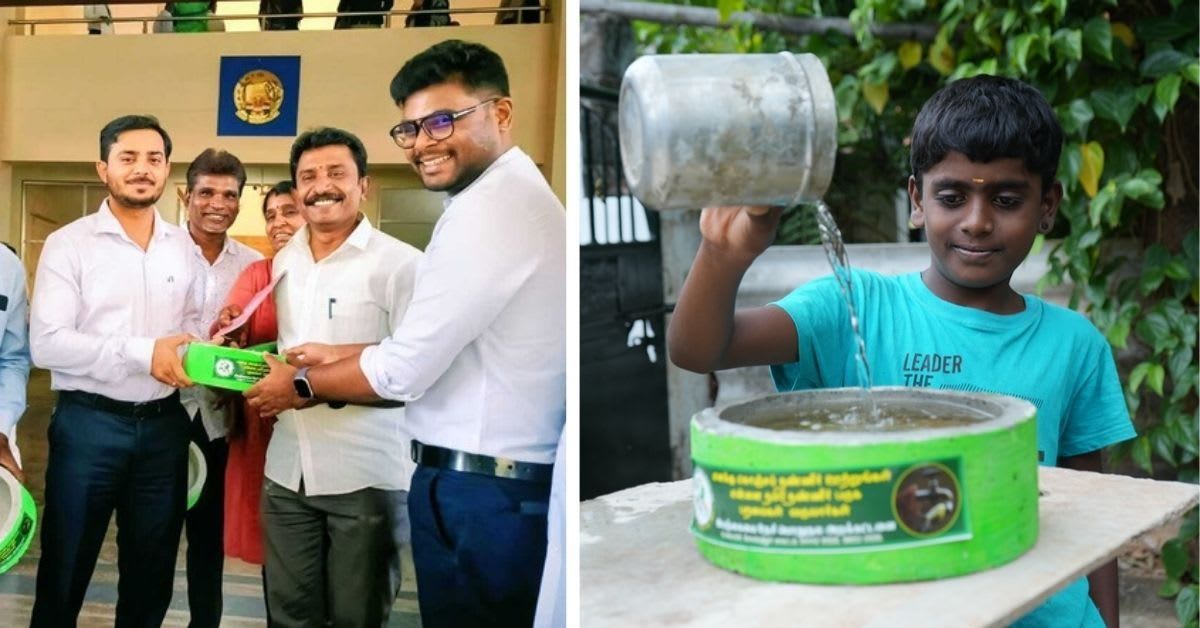
Thirteen-year-old Naitik paints a plastic bottle bright green, his hands steady despite the grey smog pressing against the classroom windows. In minutes, this discarded bottle will become part of a vertical garden inside his school library in Faridabad, one of India's most polluted cities.
"Earlier, school felt routine," Naitik says. "Now, even on Sundays, we plant saplings or sit under trees and read."
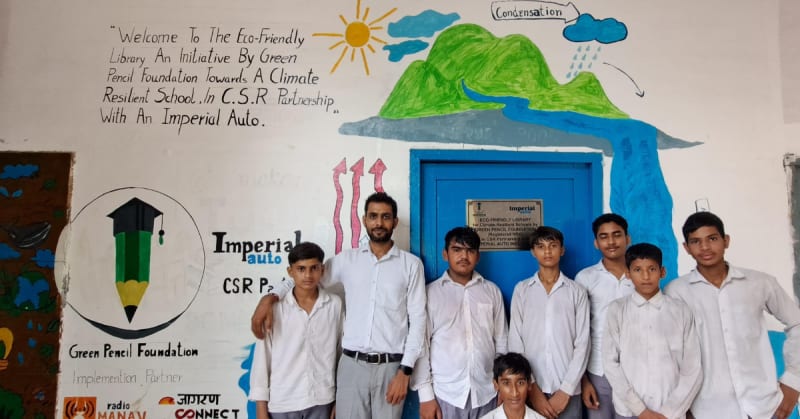
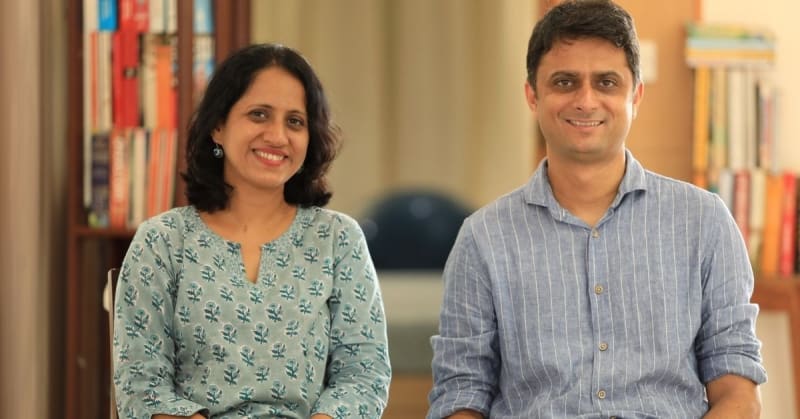
This shift from resignation to action is exactly what Sandy Khanda hoped for when he founded Green Pencil Foundation in 2019. Growing up in a small Haryana village, Sandy watched children accept pollution and inequality as unchangeable facts of life. A serious car accident in 2016 pushed him to stop accepting and start building.
He chose an unlikely place to start: government school libraries. In most schools across Faridabad, these rooms sat locked and forgotten, gathering dust instead of curious minds. Sandy saw potential where others saw neglect.
Today, four eco-friendly libraries operate across Faridabad government schools, including locations in Village Chhainsa, NIT-5, and Sector 7. Walk inside and the old stereotype of silent, unused rooms disappears completely.
Walls bloom with vertical gardens made from plastic bottles students collected from home. Kids cut, paint, and fill them with soil before planting saplings that will clean the air they breathe. The bottles that once littered streets now green the walls where children learn.
These aren't just reading rooms anymore. They're living classrooms where sustainability moves from abstract concept to daily practice. Students don't just read about climate change in textbooks written by distant experts.
They get their hands dirty. They watch seeds sprout. They measure air quality and track plant growth and understand that small actions add up.
For children in Delhi-NCR, polluted air usually means burning eyes, restricted outdoor play, and warnings to stay inside. Over time, smog becomes background noise you endure rather than question. Green Pencil Foundation is changing that acceptance into awareness.
The Ripple Effect
The transformation extends beyond individual students. When Naitik goes home and explains how plastic bottles can become planters, his family starts saving containers instead of throwing them away. When children learn that trees filter air, neighborhoods start noticing which streets have shade and which don't.
Sandy never wanted to create activists who only shout about problems. He wanted to nurture young people who see solutions in everyday objects and believe their choices matter. The eco-libraries prove that climate action doesn't require perfect resources or privileged access.
It requires creativity, commitment, and the belief that overlooked spaces hold untapped possibility. Government school children in Faridabad now spend their days in rooms that teach them something more valuable than facts: they can care for a struggling planet, starting exactly where they are.
One painted bottle at a time, hope is taking root.
More Images
%2Fenglish-betterindia%2Fmedia%2Fmedia_files%2F2026%2F01%2F20%2Fgreen-pencil-foundation-2026-01-20-12-01-01.png)
%2Ffilters%3Aformat(webp)%2Fenglish-betterindia%2Fmedia%2Fmedia_files%2F2026%2F01%2F20%2Fgreen-pencil-foundation-2026-01-20-11-41-18.png)
%2Ffilters%3Aformat(webp)%2Fenglish-betterindia%2Fmedia%2Fmedia_files%2F2026%2F01%2F20%2Fgreen-pencil-foundation-2026-01-20-11-44-05.png)
Based on reporting by The Better India
This story was written by BrightWire based on verified news reports.
Spread the positivity!
Share this good news with someone who needs it