Indian Scientists Crack Moon's Titanium Mystery Before 2028
Researchers from IIT-Kharagpur and PRL have finally explained why the moon's rocks contain up to nine times more titanium than Earth's volcanic rocks. Their breakthrough could help India's 2028 Chandrayaan-4 mission choose the perfect landing site to collect lunar samples.
Indian scientists just solved a puzzle that has stumped planetary researchers for decades: why does the moon have so much titanium?
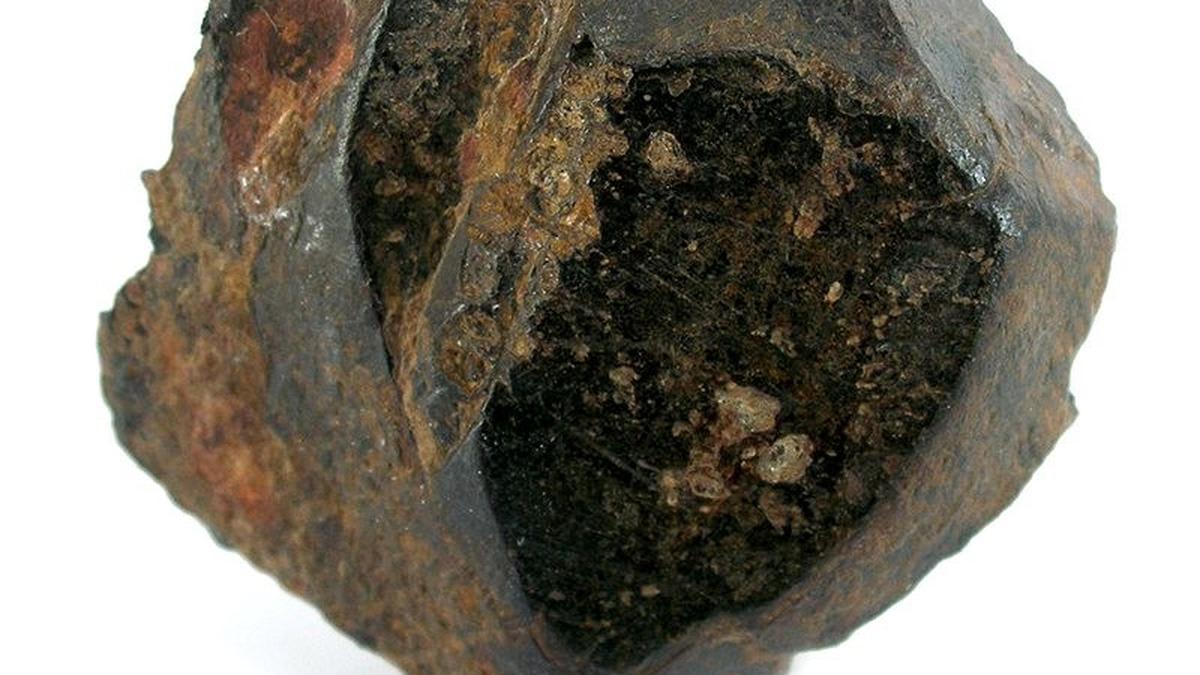
Volcanic rocks on Earth rarely contain more than 2% titanium dioxide, but some lunar basalts pack a whopping 18%. A team from IIT-Kharagpur and the Physical Research Laboratory in Ahmedabad finally figured out how these unusual rocks formed.
The discovery comes at the perfect time. India's space agency ISRO is planning Chandrayaan-4 for 2028, a mission that will collect moon rocks and bring them back to Earth. The new research could help scientists choose exactly where the lander should touch down.
The moon wasn't always the cold, gray world we see today. About 4.3 billion years ago, it was covered in an ocean of molten rock. As this magma cooled, different minerals crystallized at different times, creating layers like a cosmic cake.
The last layer to form was incredibly dense and loaded with iron and titanium. Gravity pulled this heavy layer downward through lighter rock below. As it sank deeper into the moon's hot interior, it began to melt again, creating titanium-rich magma.
Previous lab experiments couldn't recreate the moon's titanium-rich basalts correctly. The synthetic rocks either had too little magnesium or were too dense to bubble up as lava. The Indian team knew something was missing from the recipe.
They used specialized equipment at IIT-Kharagpur that can recreate the crushing pressure found 700 kilometers deep inside the moon. By running two different types of experiments, they discovered the secret: a two-stage mixing process.
Some titanium-rich magma erupted directly to the surface with moderate titanium levels. Other extremely titanium-rich melts got trapped deep inside the moon. Later, when fresh magma rose from below, it mixed with these trapped pockets and erupted as super-titanium-rich lava.
Why This Inspires
This breakthrough represents more than just solving an old mystery. India now has the scientific capability to conduct cutting-edge planetary research entirely within its own laboratories, a major milestone for the country's space program.
Professor Sujoy Ghosh, who led the research, emphasized this achievement: "Our study demonstrates that high-pressure experimental work relevant to planetary interiors can now be carried out entirely within India."
The findings also explain why titanium-rich volcanic activity continued throughout the moon's history rather than stopping early. The moon held secret reservoirs of titanium-rich melts for billions of years, waiting for the right conditions to erupt.
For Chandrayaan-4, this knowledge is gold. The mission will target regions near the lunar south pole, possibly near the Shiv Shakti area where Chandrayaan-3 landed. High-resolution cameras and chemical analysis tools on the lander can now identify the most scientifically valuable rocks before collection.
The European Space Agency is also launching a mission in 2028 to map titanium-bearing minerals across the moon. Together, these missions will unlock more secrets about our nearest neighbor in space.
India's journey from moon observation to leading-edge lunar science shows how far the country's space capabilities have come in just a few years.
Based on reporting by The Hindu
This story was written by BrightWire based on verified news reports.
Spread the positivity!
Share this good news with someone who needs it