Indian Scientists Patent 11-Meter Walk Test for Prediabetes
Researchers in Lucknow developed a painless walking test that detects prediabetes years before symptoms appear, no blood draws needed. The breakthrough just earned a patent and could change screening for 136 million at-risk Indians.
Imagine discovering you're headed toward diabetes just by walking down a hallway. No needles, no fasting, no laboratory. Just 11 meters and 30 seconds of your time.
That's the promise of a breakthrough from King George's Medical University in Lucknow, where Dr. Seema Tewari and her team asked a simple question: what if our bodies were already signaling disease, and we just weren't paying attention?
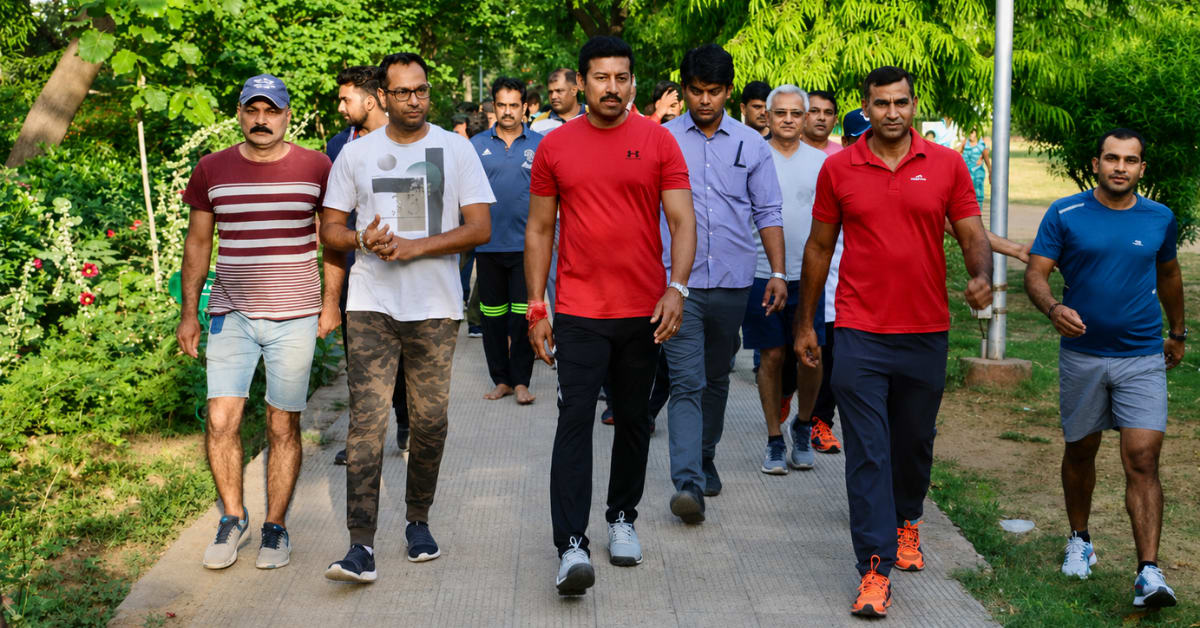
They built an 11-meter tunnel fitted with motion sensors and scanners. Then they invited 44 people to walk through it while machines tracked every detail: speed, weight shift, balance, muscle activation. Half the participants had diabetes. Half didn't.
The difference showed up immediately in the data. People with diabetes walked differently, with measurably weaker muscles, especially on the right side of the body.
Here's why that matters. The right side is controlled by the left brain hemisphere, which handles coordination and balance. Fluctuating blood sugar disrupts exactly these functions, and the disruption appears in walking patterns years before blood tests flag anything wrong.
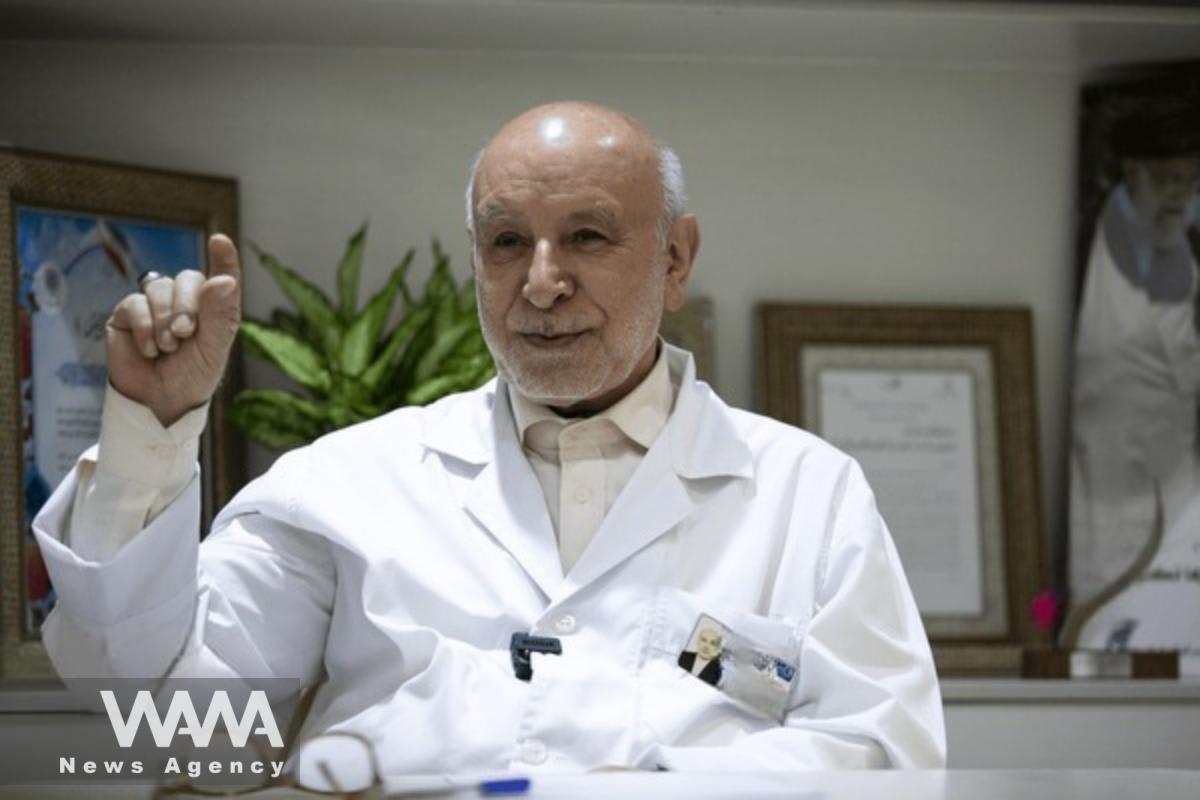
"Diabetes is known to affect both muscles and the brain at an early stage, and this understanding led us to carry out the study," Dr. Tewari explained. The research was published in Acta Scientific Neurology, and India's government just granted the team a patent.
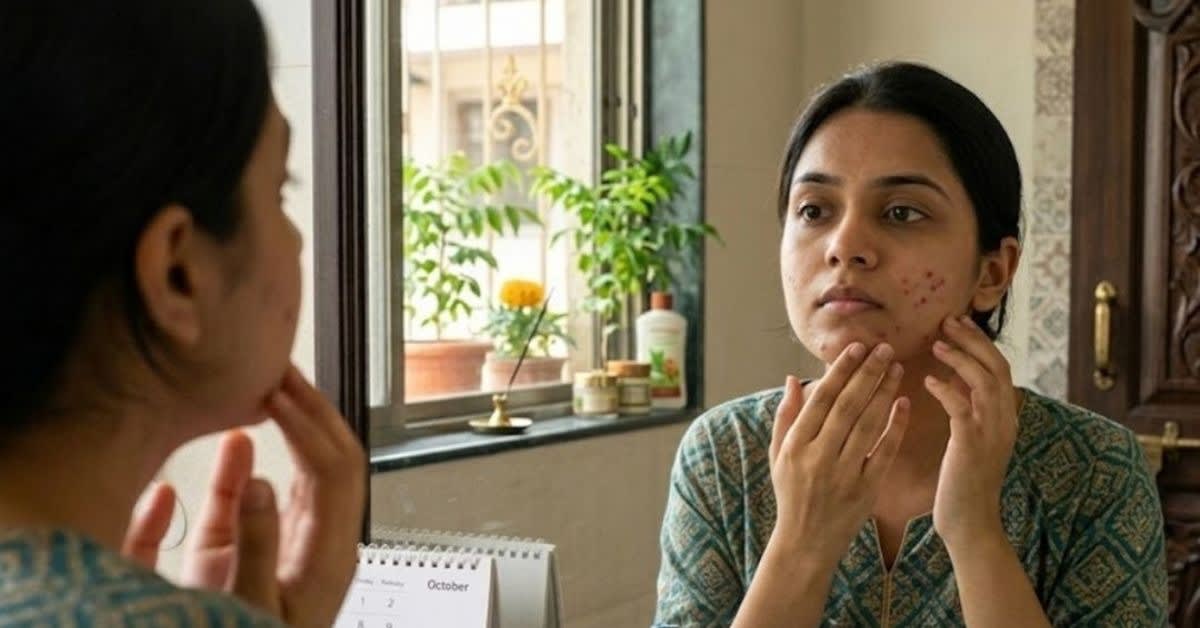
For India, home to 136 million people with prediabetes, this changes everything. Most never know they're at risk because standard screening requires fasting, blood draws, and laboratory access that remains out of reach for millions. By the time symptoms appear, the condition has often been progressing silently for years.
A walking test needs none of that infrastructure. It could work in village health camps, government hospitals, or railway stations. Dr. Tewari envisions cameras powered by artificial intelligence analyzing walking patterns automatically, flagging at-risk individuals before they ever think to see a doctor.
Why This Inspires
This isn't replacing blood tests. It's an early warning system, a first filter that identifies who needs a closer look. The researchers are clear about that, and they're already planning larger studies through India's Council of Medical Research.
But the foundation is solid, peer-reviewed, and patented. What started as a curious question about the body's hidden signals has become a tool that could reach people conventional medicine never touches.
Your body might be trying to tell you something important. Now, for the first time, doctors might actually hear it.
More Images
%2Fenglish-betterindia%2Fmedia%2Fmedia_files%2F2026%2F05%2F18%2F1-2026-05-18-17-53-02.png)

%2Ffilters%3Aformat(webp)%2Fenglish-betterindia%2Fmedia%2Fmedia_files%2F2026%2F05%2F18%2F3-2026-05-18-17-53-44.png)
Based on reporting by The Better India
This story was written by BrightWire based on verified news reports.
Spread the positivity!
Share this good news with someone who needs it