Indian Stars Shine at Met Gala in Heritage Fashion
Six Indian celebrities brought ancient crafts and royal heritage to the 2026 Met Gala, turning traditional artistry into show-stopping fashion statements. From 3,000-year-old textile techniques to stainless steel armor made from kitchen utensils, they proved cultural roots can command global attention. ##
When the world's biggest fashion event asked for "Fashion as Art," Indian celebrities answered with centuries of craft tradition and family heirlooms worth millions.
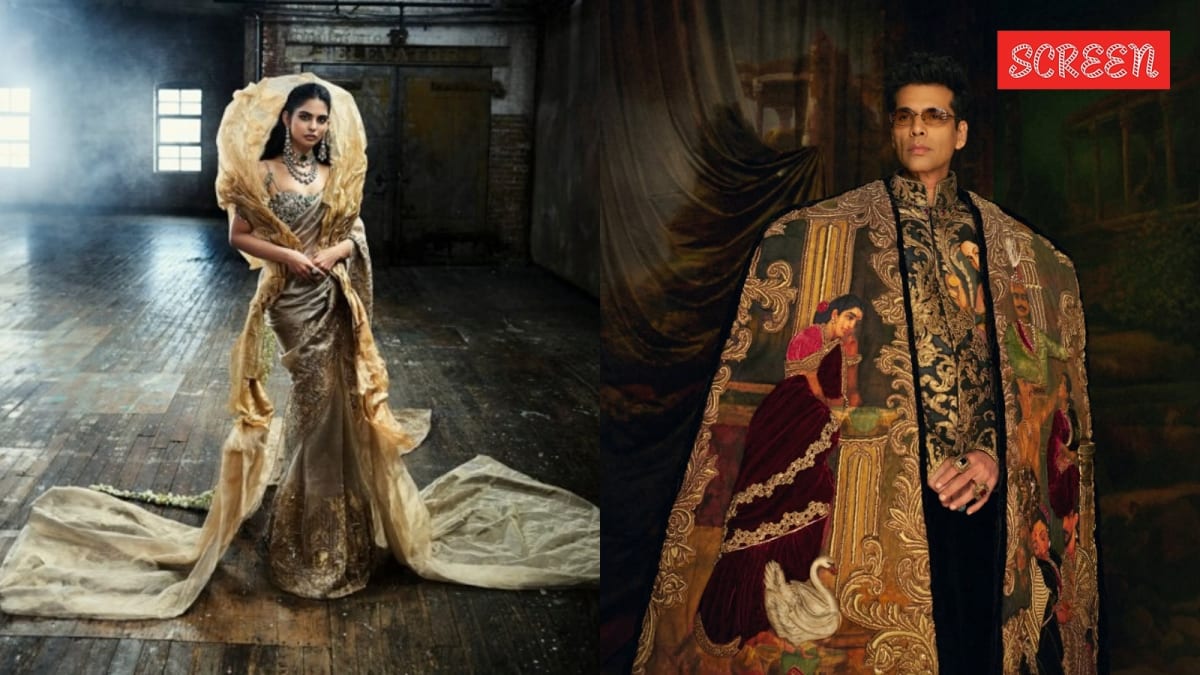
Six Indian attendees transformed the Met Gala red carpet into a celebration of heritage this May. They wore everything from sculptural stainless steel masks to rare tanzanite gemstones, each piece telling a story of tradition meeting contemporary design.
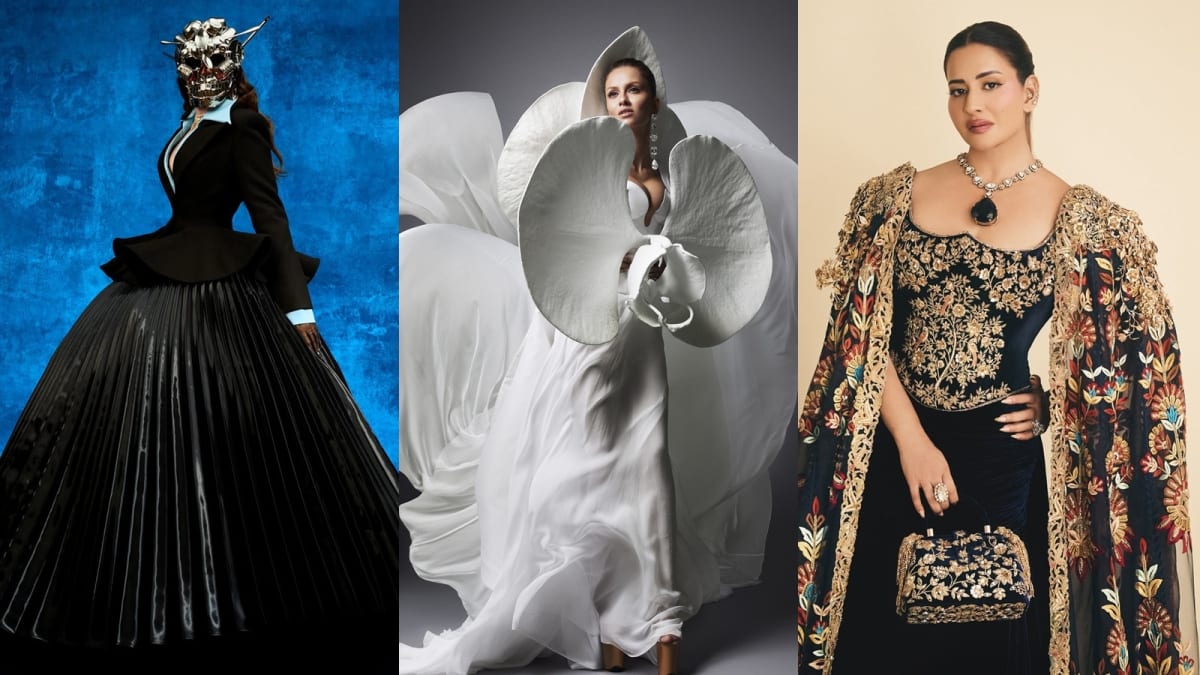
Philanthropist Sudha Reddy brought Hyderabad's 3,000-year-old Kalamkari textile art to life through designer Manish Malhotra's sculptural velvet gown. The dress featured hand-embroidered motifs like the Tree of Life, traditionally painted by Indian artisans for generations.
Her jewelry stole the spotlight too. Reddy wore a necklace valued at over $15 million, featuring the "Queen of Merelani," a 550-carat violet-blue tanzanite from Tanzania's mountains, surrounded by Victorian rose-cut diamonds.
Business leader Ananya Birla took a different approach with contemporary artist Subodh Gupta. Her armor-like mask was crafted entirely from traditional Indian stainless steel kitchenware, transforming everyday objects into powerful statements about humble origins and strength.
Fashion investor Natasha Poonawalla wore a massive orchid pectoral by Marc Quinn designed as ceremonial armor. The piece used the Phalaenopsis orchid, a flower that blooms across continents, as a symbol of beauty crossing borders.
Jaipur's Princess Gauravi Kumari honored her grandmother, the legendary Maharani Gayatri Devi, in a blush pink chiffon sari by Prabal Gurung. Her brother, Sawai Padmanabh Singh, wore a regal Phulghar coat created with artisans from their home city.
Diya Mehta Jatia showcased West Bengal's delicate Shola craft, where artisans carve lightweight plant pith into intricate sculptures. Designer Mayur Girotra transformed this non-textile art into wearable architectural pieces on silk Kanjivaram fabric.
The Ripple Effect
These appearances represent more than fashion moments. They brought global attention to Indian artisans whose traditional crafts face uncertain futures in modern markets.
Kalamkari painters, Shola carvers, and metalworkers now see their centuries-old techniques celebrated on one of fashion's biggest stages. Young artisans watching from workshops across India witnessed their heritage commanding respect alongside haute couture.
The celebrities used their platform to show that cultural preservation and contemporary creativity aren't opposing forces. Ancient techniques can evolve, adapt, and thrive when given space on global stages.
Indian fashion proved it belongs in museums alongside any art form, carrying forward traditions while creating something entirely new.
##
Based on reporting by Indian Express
This story was written by BrightWire based on verified news reports.
Spread the positivity!
Share this good news with someone who needs it