Indian Startup Builds Ultra-Light Hydrogen Fuel Tanks
A small team in southern India is engineering the lightweight cylinders that could make hydrogen vehicles practical. Their work tackles one of clean transport's toughest problems: carrying fuel that weighs almost nothing but needs extreme pressure.
Hydrogen holds more energy per pound than any other fuel, but almost none by volume. That quirk creates a massive challenge for clean vehicles: you need to compress the gas to 700 times normal air pressure just to carry enough for a decent range.
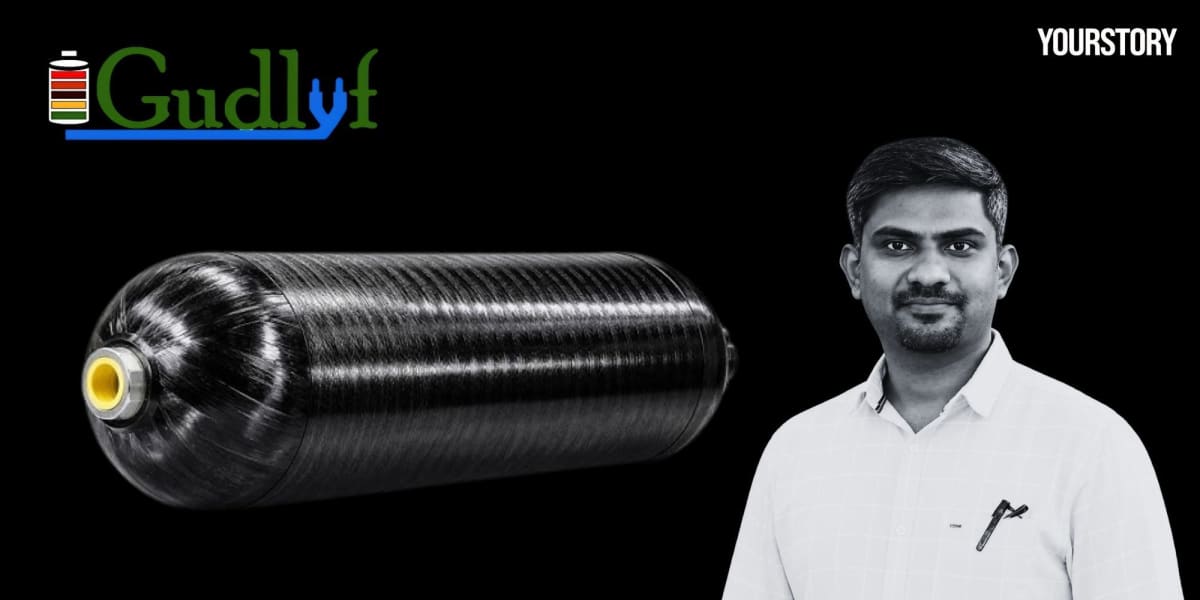
Gudlyf Mobility in Madurai, Tamil Nadu is building the answer. Founded in October 2022, the startup manufactures Type IV hydrogen cylinders, the lightest class of pressure vessel available. Instead of heavy steel, they use a plastic core wrapped in carbon fiber composite that can handle the extreme pressure while keeping weight down.
That weight difference matters more than it sounds. A steel tank strong enough to hold compressed hydrogen would be so heavy it cancels out the fuel efficiency you were trying to gain. The composite design lets vehicles actually benefit from hydrogen's energy density.
The company targets markets beyond passenger cars. Refineries and chemical plants need hydrogen storage. Distribution networks need transport containers. Buses, trucks and trains switching to fuel cells need onboard tanks. The team even lists aviation and aerospace, where every ounce counts and hydrogen is emerging as a serious jet fuel candidate.
India's National Green Hydrogen Mission has poured resources into producing clean hydrogen, but storage and transport infrastructure lags behind. Gudlyf's four founders bring over 120 years of combined experience in hydrogen storage, mobility and advanced materials. They've developed and tested their cylinders entirely in India, proving the work through destructive testing where vessels are burst, cycled and impact-tested until they fail.
The business itself remains early stage. Revenue hit about $12,000 USD for the year ending March 2024. The company has completed three funding rounds with undisclosed amounts, including participation from Startup India in April 2025. They've earned recognition from IIT Madras and JSW MG Motor India's startup program, landing in the top six at the Carbon Zero Challenge.
The Bright Side
Deep tech doesn't require Silicon Valley scale to matter. While the world debates hydrogen's future, teams like this one are quietly solving the engineering problems that will determine whether clean fuel actually reaches vehicles. They're building the unglamorous but essential infrastructure, one pressure-tested cylinder at a time.
Every major energy transition needs invisible heroes working on problems most people never think about. Sometimes progress looks like a small team in Tamil Nadu making tanks that don't explode.
More Images



Based on reporting by YourStory India
This story was written by BrightWire based on verified news reports.
Spread the positivity!
Share this good news with someone who needs it