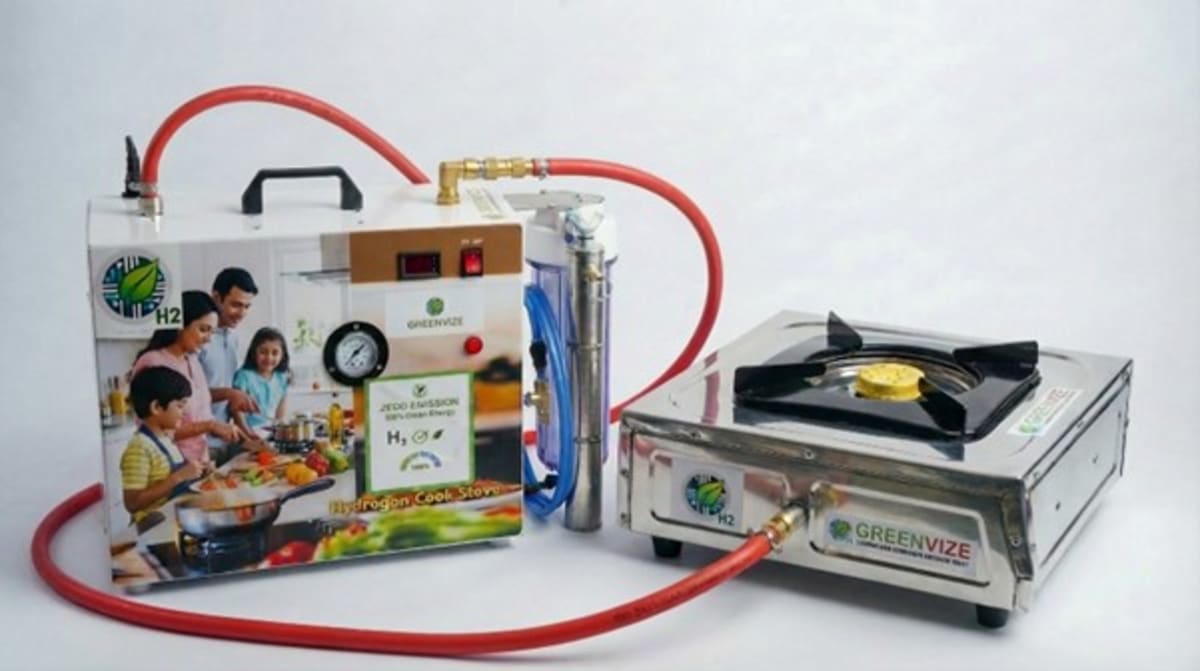
Indian Startup's $1,128 Stove Makes Hydrogen From Kitchen Tap
An Indian clean-tech company just turned ordinary water into cooking fuel with a plug-and-play hydrogen stove that produces zero emissions. The breakthrough could replace gas cylinders in millions of kitchens while cleaning indoor air.
Imagine cooking dinner using only water and electricity, with pure water vapor as the only exhaust. A Mumbai-based startup called Greenvize just made that possible with a compact kitchen appliance that generates hydrogen fuel on demand.
The system works like a mini power plant on your countertop. When you turn the knob, it instantly splits water molecules into hydrogen and oxygen through a process called electrolysis, then burns the hydrogen for cooking while releasing oxygen into your kitchen.
Here's what makes it remarkable: 100 milliliters of filtered water and about 1 kilowatt-hour of electricity delivers six hours of continuous cooking. That's roughly one-sixth the power needed to run a typical induction cooktop for the same duration.
Founder Sanjeev Choudhary designed the system to solve a persistent problem in Indian kitchens. LPG gas prices fluctuate wildly and require heavy cylinder deliveries, while induction stoves demand special magnetic cookware and struggle with traditional cooking techniques that many chefs rely on.
The hydrogen stove works with regular pots and pans. It can also connect to rooftop solar panels, enabling completely off-grid cooking powered entirely by renewable energy with zero carbon footprint.
Commercial kitchens in hotels and community centers are showing strong interest. The system can be configured with storage tanks to produce hydrogen during off-peak electricity hours or peak solar generation, then use it during busy cooking periods.
The Ripple Effect
Beyond individual homes, this technology addresses a massive environmental challenge. Indoor air pollution from traditional cooking fuels causes millions of respiratory illnesses across developing nations each year.
By releasing oxygen instead of carbon monoxide or particulates, hydrogen cooking actually improves air quality in enclosed spaces. For restaurants, hotels, and community kitchens serving hundreds of meals daily, that shift could transform worker health and customer experience simultaneously.
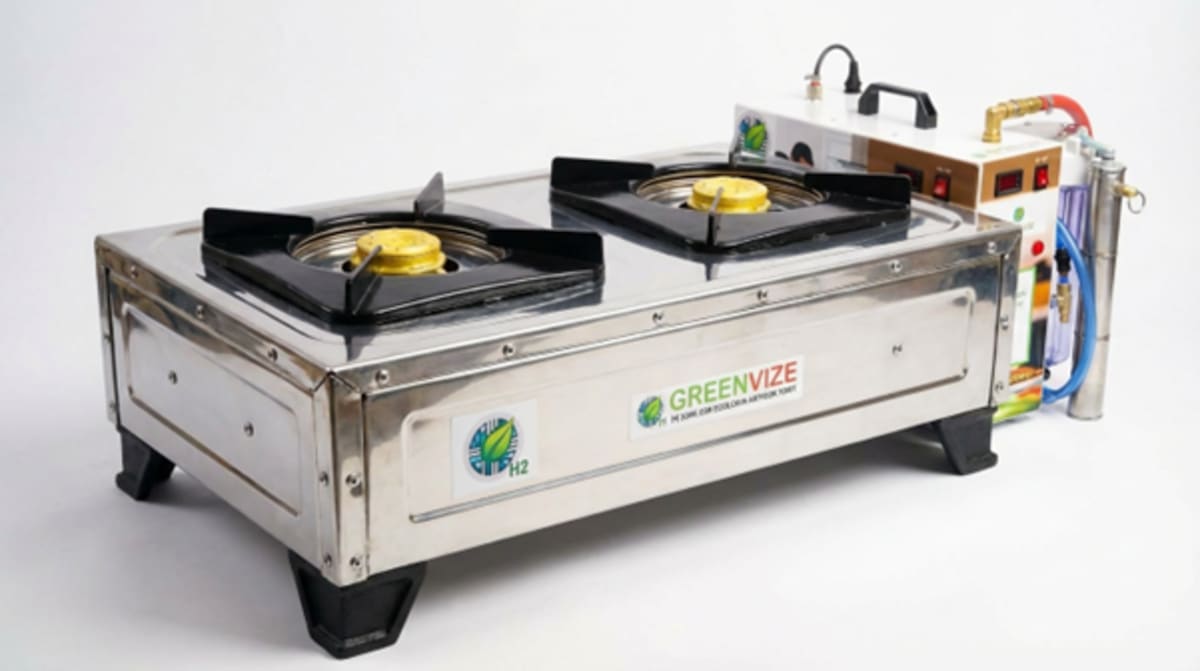
The price point of around $1,128 for a single burner places it within reach of commercial operations and middle-class households, especially when factored against years of LPG costs. A double-burner model runs approximately $1,612.
While energy giants chase large-scale industrial hydrogen applications requiring expensive infrastructure, Greenvize miniaturized the entire production process into a countertop appliance. No pressurized cylinders, no distribution networks, no storage facilities needed in the standard configuration.
The timing couldn't be better. As countries worldwide commit to reducing carbon emissions, residential and commercial cooking remains a stubborn source of pollution that's proven difficult to eliminate.
This isn't futuristic technology decades away—it's available for order now, turning one of humanity's oldest activities into a clean energy showcase happening three times a day in kitchens everywhere.
More Images
Based on reporting by PV Magazine
This story was written by BrightWire based on verified news reports.
Spread the positivity!
Share this good news with someone who needs it