Indian Students Audit 100 Schools to Demand Better Learning
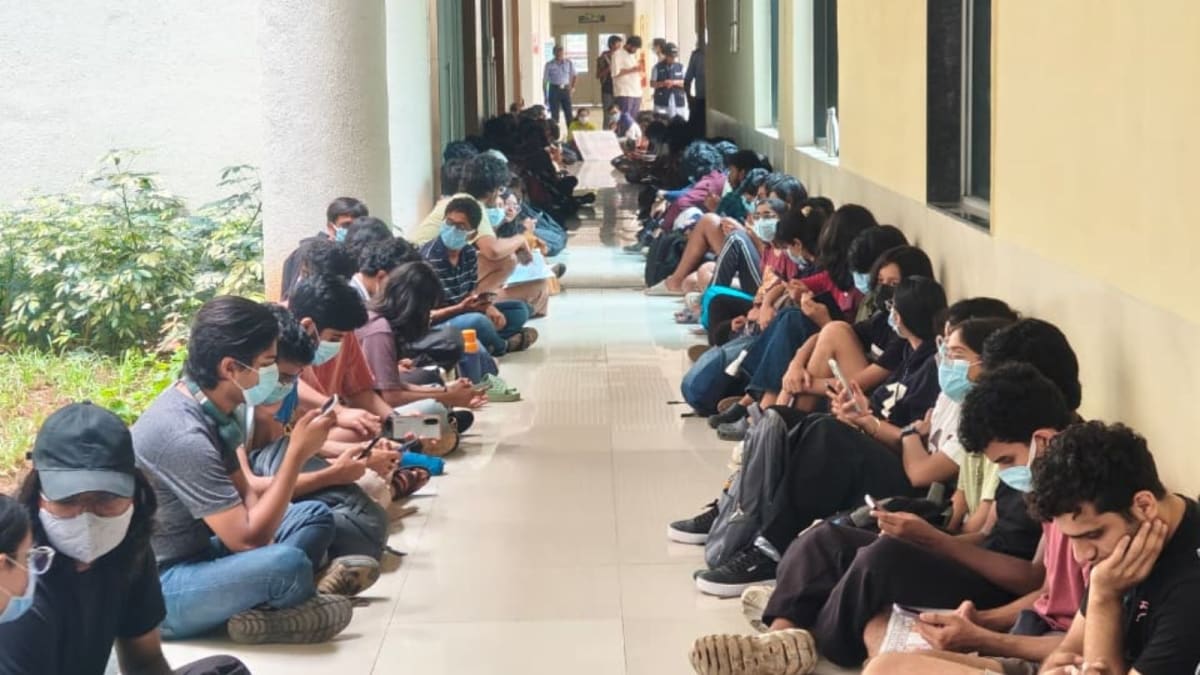
A youth-led movement in India is inspecting government schools and documenting conditions to push for improvements. The Cockroach Janta Party has launched a bold campaign to audit 100 rural schools in two months.
Young activists across India are walking into government schools with clipboards and cameras, determined to give millions of children better classrooms.
The Cockroach Janta Party, a citizen movement that recently pressured India's education minister to resign, launched its boldest campaign yet on Independence Day. Volunteers are visiting rural government schools to document everything from broken toilets to missing electricity, then demanding local officials make fixes.
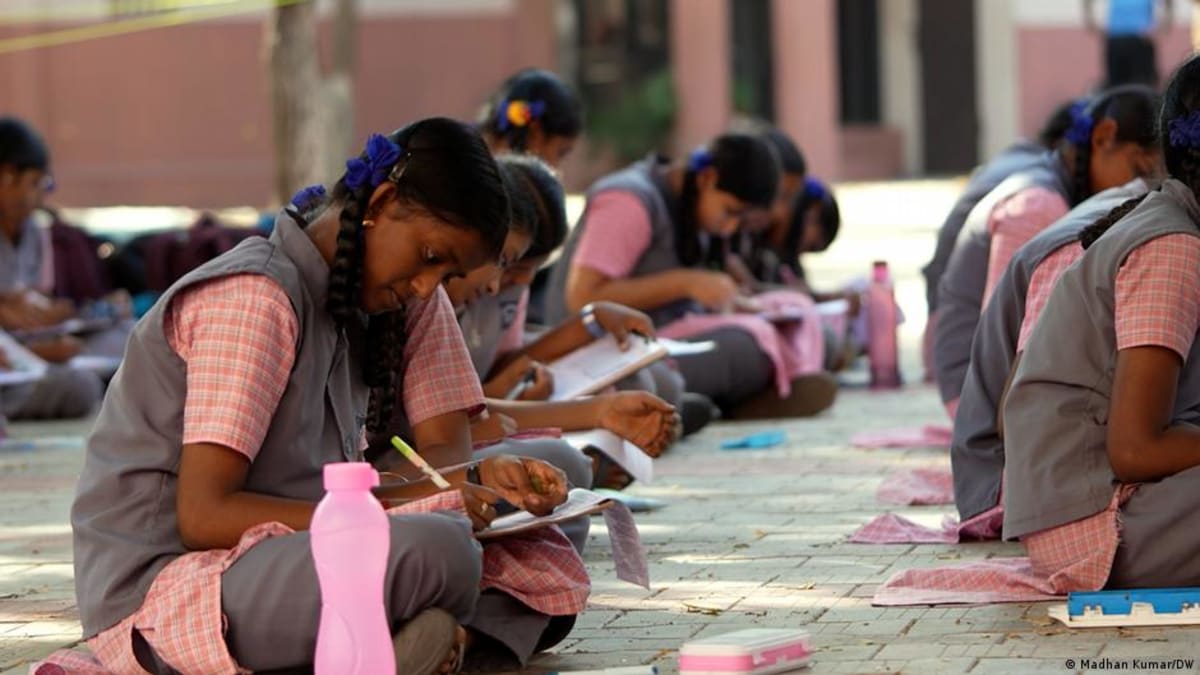
The scale of the challenge is massive. India has over one million government schools serving nearly 120 million children. These schools make up 70% of all schools in the country but struggle with basic infrastructure problems that have persisted for years.
The campaign asks parents, students and volunteers to inspect facilities using standardized forms. They record conditions of toilets, drinking water, electricity, furniture and buildings. The findings go directly to local authorities with demands for action.
"We are seeking accountability from the government," said CJP spokesperson Ashutosh Ranka. The group's initial goal is 100 school audits over two months, with plans to recognize village leaders who successfully improve their schools.
The response has been mixed across India's states. Some local governments have ordered their own inspections in response. Others have restricted access to schools or taken police action against volunteers, citing concerns about unauthorized visitors near children.
Why This Inspires
Unlike street protests that fade after a few weeks, this campaign requires sustained commitment. Volunteers must document conditions, follow up with officials, and work with parents and communities over months. It's the hard work of grassroots change.
The movement is showing that ordinary citizens won't wait for permission to demand better for their children. By shining a light on school conditions, they're forcing conversations that bureaucrats have avoided for years.
Some education advocates support the goal but question the methods. They suggest smaller teams, formal permissions, and systematic data collection would be more effective. CJP volunteers argue that conventional approaches have failed to bring meaningful change.
The tension reflects a larger question about civic engagement in the world's largest democracy. Can citizens inspect public institutions they fund with their taxes? Where's the line between legitimate scrutiny and disruption?
What's clear is that young Indians are refusing to accept broken schools as normal. They're betting that documentation, persistence and public pressure can accomplish what official channels haven't.
More Images

Based on reporting by DW News
This story was written by BrightWire based on verified news reports.
Spread the positivity!
Share this good news with someone who needs it