Indian Village Ends 70-Year Blood Feud Through Forgiveness
A remote village in northeast India transformed decades of clan warfare into lasting peace through a groundbreaking reconciliation process. Young people demanded their elders give them back their future, sparking healing that resolved 22 killings and countless feuds.
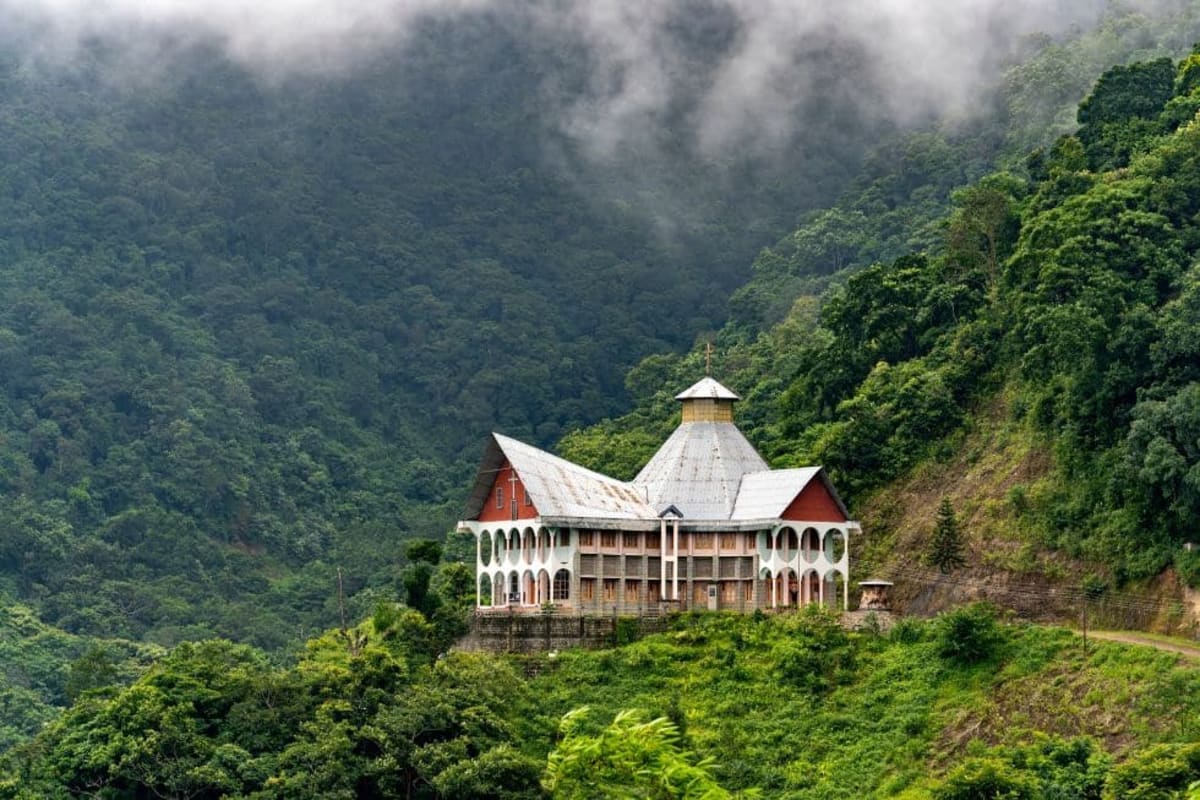
When the young people of Khonoma finally told their elders "give us our future," they were asking for freedom from hatreds they never chose to carry. For nearly 70 years, this village in Nagaland, India had been fractured by blood feuds and clan warfare that started during British occupation and exploded after a political assassination in 1956.
The conflict began when two leaders from Khonoma disagreed over how to achieve independence for the Naga people. When one was killed, ancient codes of revenge kicked in, splitting the village into armed camps along clan lines. The Indian Army burned Khonoma to the ground repeatedly, and families starved in forests or lived under blockade.
When the fighting finally stopped, the four clan clusters didn't reunite. They settled in separate locations and lived as four different villages for nearly a decade. Time didn't heal the wounds.
But by 2000, a younger generation had grown tired of being reminded about old enemies every time they tried to do something together as neighbors. Their request launched a three-day seminar called "Healing the Soul of Khonoma" where villagers honestly examined where they stood.
The village authorities established the Khonoma Public Commission to tackle the divisions head-on. Over ten years, commission members sat down with both perpetrators' families and victims' families in 22 separate killing cases, plus numerous other conflicts.
The process was deliberately inclusive. When reviewing a victim's case, commission members from that victim's clan participated. When meeting with a perpetrator's family, members from the perpetrator's clan joined in. Everyone examined what happened, who did what, and what legacy had been passed down through generations.
The Ripple Effect
What started as young people asking for their future became a model for conflict resolution. Face-to-face meetings between families who had been enemies for decades led to genuine forgiveness and restitution. The commission addressed not just killings but the deep social divisions that poisoned daily village life.
Today, Khonoma stands reunited after resolving conflicts that many thought were too deep to heal. The village proved that even blood feuds spanning generations can end when communities choose reconciliation over revenge, and when young people refuse to inherit their elders' wars.
More Images


Based on reporting by Google News - Reconciliation
This story was written by BrightWire based on verified news reports.
Spread the positivity!
Share this good news with someone who needs it