Indian Villages Plant 3M Trees, Clean Rivers, Save Hyenas
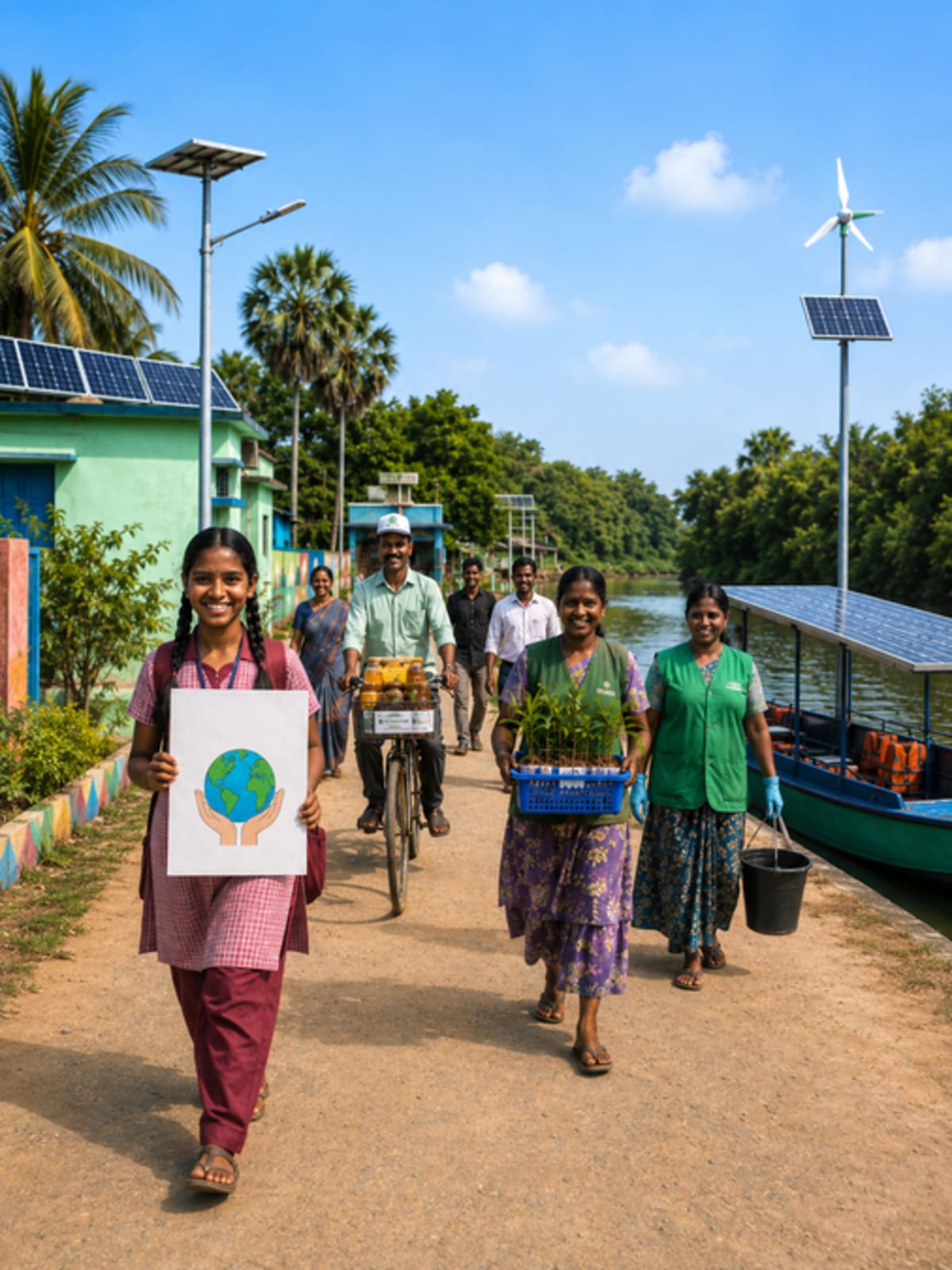
From Kashmir to Punjab to Uttar Pradesh, ordinary villagers are restoring their corner of the world without waiting for permission. Their work is bringing back forests, clean water, and wildlife across India.
In villages across India, people are looking at degraded land and polluted rivers and deciding they've had enough.
These aren't grand government projects or corporate initiatives. They're neighbors gathering after harvest, elders remembering how things used to be, and young people refusing to accept that dirty water and barren land are just how things are now.
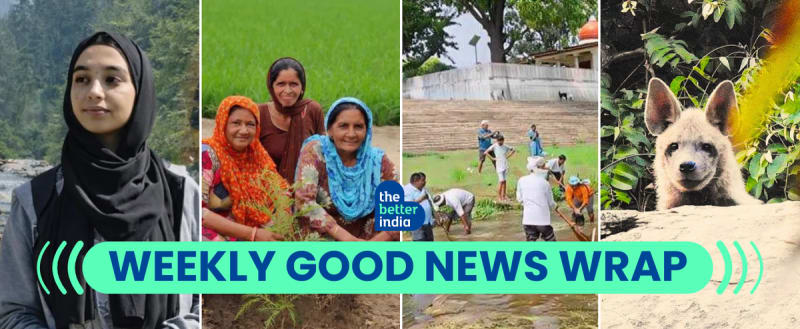
In Punjab's Fatehgarh Sahib district, 79-year-old Inderjit Singh says the air feels different now. The land near his village was dry and lifeless until March 2019, when the Billion Tree Project arrived with native saplings and something unusual: a commitment to stay and care for them for up to 30 months. Since then, 1,600 villages have planted 3 million trees, creating steady local jobs while bringing back birdsong and cleaner air.
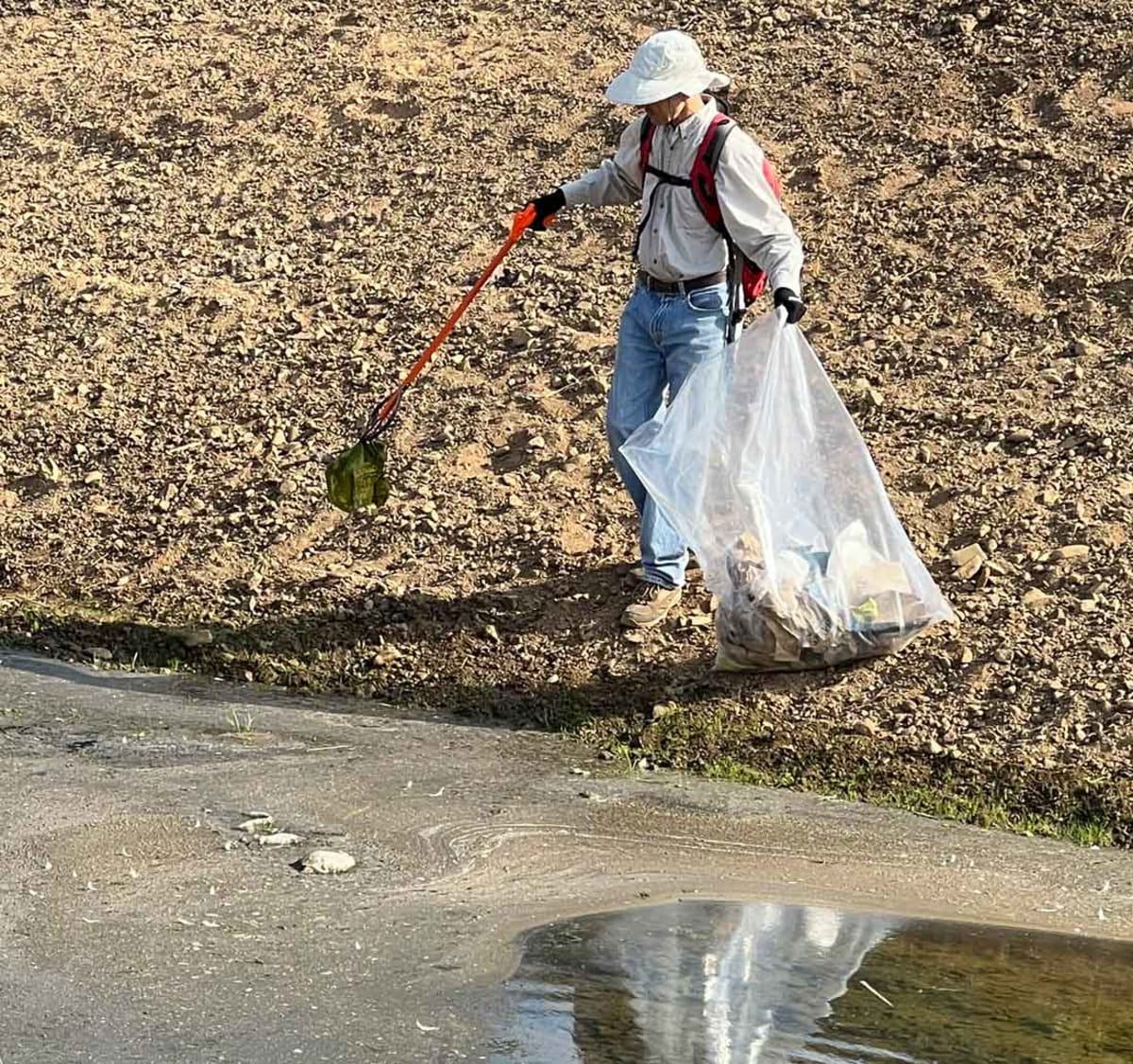
In Azamgarh, the Tamsa River had become part of the background of daily life, slowly shrinking and filling with waste. In February 2026, 111 village councils decided to act together. They desilted 89 kilometers of riverbed, cleared banks, removed encroachments, and planted fruit-bearing trees along the edges, reclaiming a river that generations had grown up beside.
In Kashmir's Bandipora district, 25-year-old Shabnam Bashir walked alone through high meadows at dawn, mapping forgotten valleys despite questions about why a young woman was trekking solo. Her persistence created sustainable tourism in 16 hidden valleys, establishing 40 homestays that now provide seasonal income for over 60 people from the Gujjar-Bakarwal community.
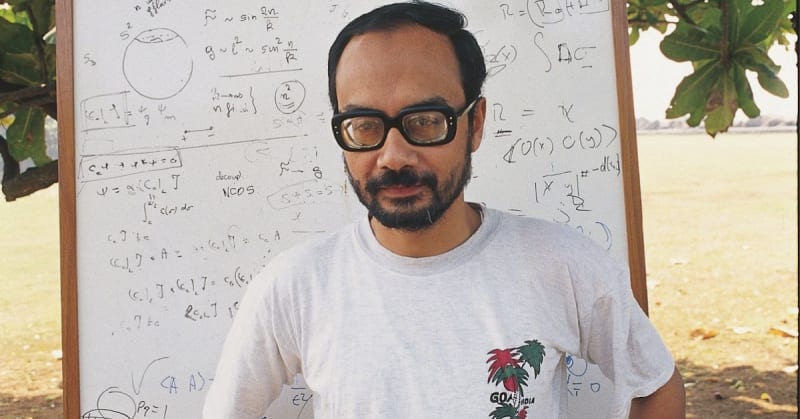
And in Purulia's forest villages, mountaineer Joydeep Chakraborty heard a strange call one winter night near Pakhi Pahar and couldn't let it go. He returned repeatedly, walking hills with local guides and sitting with families to understand their fears about losing livestock to striped hyenas. Those patient conversations shifted blame into protection, helping save 18 hyenas from retaliation.
The Ripple Effect
These village-level efforts are creating something larger than cleaner rivers or more trees. They're proving that environmental restoration doesn't require massive budgets or top-down mandates. When people see their own agency, their own power to change what's around them, they act.
The work spreads through example. One village plants a forest, and the next village over notices the birdsong returning. A river gets cleaned, and downstream communities see clearer water. A woman maps hiking trails, and other young people realize tourism can support their community without exploiting it.
Each of these projects started small, with one person noticing something worth saving and others deciding to join in.
India's environmental future is being written not in policy papers but in village squares, on riverbanks, and along forest paths where ordinary people are choosing to care for the land that has always cared for them.
More Images
%2Fenglish-betterindia%2Fmedia%2Fmedia_files%2F2026%2F02%2F27%2Fnewsletter-header-2026-02-27-15-11-20.png)
%2Ffilters%3Aformat(webp)%2Fenglish-betterindia%2Fmedia%2Fmedia_files%2F2026%2F02%2F27%2Fshabnambashir-2026-02-26-15-28-16-2026-02-27-15-08-10.webp)
%2Ffilters%3Aformat(webp)%2Fenglish-betterindia%2Fmedia%2Fmedia_files%2F2026%2F02%2F27%2Fvillage-changemaker-2026-02-27-15-08-32.webp)
Based on reporting by The Better India
This story was written by BrightWire based on verified news reports.
Spread the positivity!
Share this good news with someone who needs it