Indiana Solar Farm Runs on 2,000 Animals and Mammoth Bones
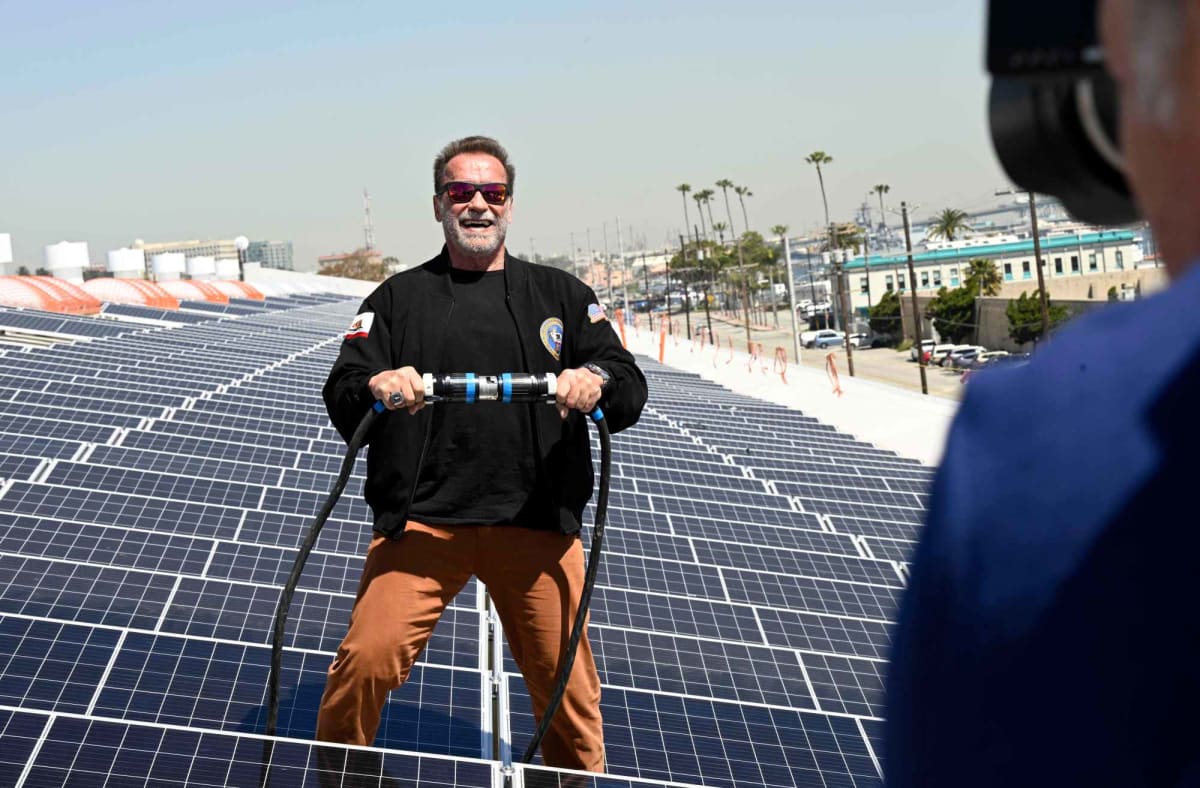
A 13,000-acre solar farm in Indiana keeps panels clear using sheep, pigs, alpacas, and donkeys instead of machines. Named after ancient mammoth bones found beneath the fields, the project lets 65 farming families grow crops while generating clean power for 75,000 homes.
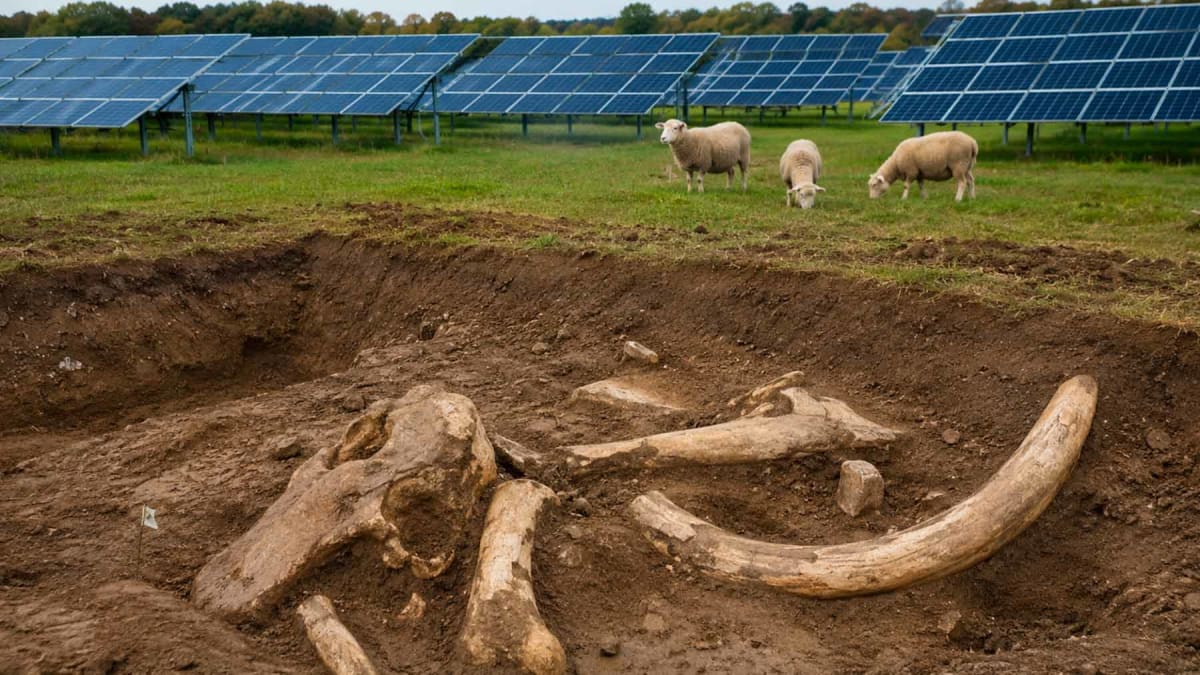
When workers discovered mammoth bones beneath farmland in Pulaski County, Indiana, nobody expected the site would soon host both prehistoric history and cutting-edge clean energy.
Mammoth Solar now stretches across 13,000 acres of Indiana farmland, but the land isn't just generating electricity. Over 2,000 animals roam between the solar panels, grazing on native grasses and keeping vegetation low so the panels can soak up sunlight.
Developer Doral LLC partnered with 65 local farming families who were worried about losing their land to solar development. Instead of choosing between agriculture and renewable energy, they built both.
The first phase alone produces 400 megawatts of clean electricity, enough to power 75,000 homes annually. Farmers continue growing hay, wheat, soybeans, and corn on the same acreage.
The animals do the work that mowers and herbicides used to handle. Sheep, Kunekune pigs, donkeys, alpacas, and livestock guardian dogs graze the grass naturally. The panels provide shade that keeps the animals cooler during hot Indiana summers.
Between 2010 and 2022, Indiana lost over 345,000 acres of farmland to development. This project proved that renewable energy doesn't have to swallow up agricultural land.
Resource Environmental Solutions planted native tallgrass and pollinator species beneath the panels to prevent soil erosion. Nearly 13 miles of vegetative screening now includes over 4,000 native trees and shrubs, boosting local biodiversity while meeting zoning requirements.
The Ripple Effect
The success at Mammoth Solar is changing how rural communities view renewable energy projects. Fertilizer vendors, seed suppliers, and equipment dealers who normally lose business when farmland converts to solar are staying busy.
The dual-use model shows that family farms can thrive alongside the infrastructure needed to meet America's surging electricity demand. Data centers and electric vehicles need power, and the U.S. grid consumed 4.20 trillion kilowatt-hours last year.
Traditional energy sources still generate roughly 1.5 billion metric tons of carbon emissions annually. Projects like Mammoth Solar help chip away at that number while keeping rural economies strong.
Bope Farm Services manages the grazing herd, creating local jobs that didn't exist before. The animals prevent panel shading, and the panels prevent heat stress in livestock.
What started as community opposition turned into a partnership that honors farming heritage while building toward federal climate goals of 100 percent zero-emission electricity by 2035.
Sometimes the bones of the past and the energy of the future can share the same ground.
Based on reporting by Google: fossil discovery
This story was written by BrightWire based on verified news reports.
Spread the positivity!
Share this good news with someone who needs it