India's 10 Best Tiger Reserves Show Conservation Win
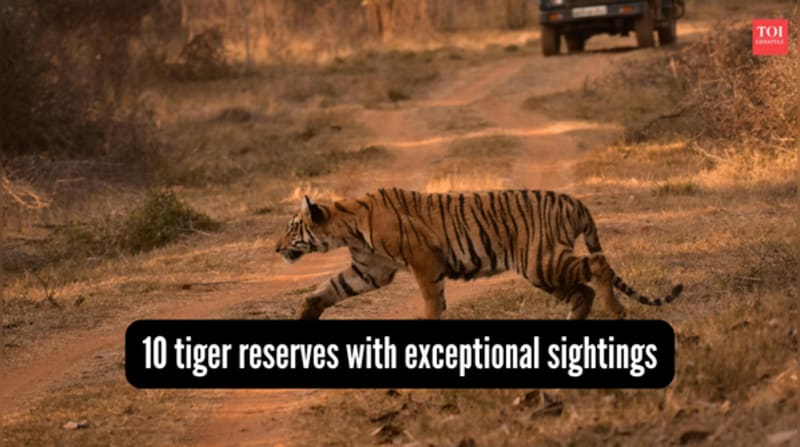
India's tiger population is thriving so well that certain reserves now offer visitors exceptional chances of spotting these magnificent big cats in the wild. From Ranthambore's open terrain to Bandhavgarh's record-high tiger density, conservation success is giving wildlife lovers unforgettable encounters with nature's most iconic predator.
India's tiger comeback story keeps getting better, and now wildlife enthusiasts have more chances than ever to witness these majestic creatures in their natural habitat.
Ten tiger reserves across the country have become conservation success stories, with tiger populations so healthy that sightings during safari visits are becoming remarkably common. While spotting a wild tiger is never guaranteed, these parks have consistently delivered exceptional experiences for visitors during peak seasons.
Ranthambore Tiger Reserve in Rajasthan leads the pack with its unique combination of open terrain and ancient ruins. Tigers here often appear around lakes like Padam Talao, and some have grown comfortable enough with safari vehicles that photographers capture stunning close-up shots.
Bandhavgarh in Madhya Pradesh boasts one of India's highest tiger densities. The Tala zone has become legendary among wildlife photographers, with rocky outcrops and grasslands providing perfect visibility for spotting these striped hunters.
Kanha Tiger Reserve, also in Madhya Pradesh, offers lush sal forests and expansive meadows where tigers roam freely. The park's well-managed safari system and thriving prey population mean visitors to the Mukki and Kisli ranges frequently return home with tiger stories.
Maharashtra's Tadoba-Andhari has emerged as a tiger hotspot over the past decade. During summer months, the reserve's water bodies become gathering spots for wildlife, making the Moharli and Kolara gates prime viewing locations.
Corbett Tiger Reserve, India's oldest national park, continues its legacy with regular sightings in the Dhikala zone. Open grasslands along the Ramganga River offer the best views, especially when summer heat draws animals to water sources.
The Ripple Effect
This abundance of tiger sightings reflects something much bigger than tourism success. India's tiger population has grown from a perilous low of 1,411 in 2006 to over 3,000 today, making it home to 75 percent of the world's wild tigers.
The success extends beyond the famous reserves too. Pench Tiger Reserve spans two states with teak forests that make tracking easier. Kaziranga, globally celebrated for one-horned rhinos, surprises visitors with its high tiger density visible in open grasslands.
Even Sariska Tiger Reserve has bounced back after a successful relocation program rebuilt its tiger population in semi-arid terrain. Nagarhole in Karnataka's Nilgiri Biosphere Reserve draws crowds to Kabini's backwaters during dry season when animals congregate.
Less crowded options like Satpura offer tranquil safaris with growing tiger populations and unique experiences including boat safaris in buffer zones.
Peak summer months from March to June offer the best viewing opportunities when tigers seek waterholes and thinner foliage improves visibility. Wildlife experts recommend early morning safaris for optimal encounters.
India's commitment to tiger conservation has transformed these reserves into living classrooms where future generations can witness the results of dedicated environmental protection.
More Images

Based on reporting by Times of India - Good News
This story was written by BrightWire based on verified news reports.
Spread the positivity!
Share this good news with someone who needs it