India's 7 Must-See Flower Festivals Bloom This Spring
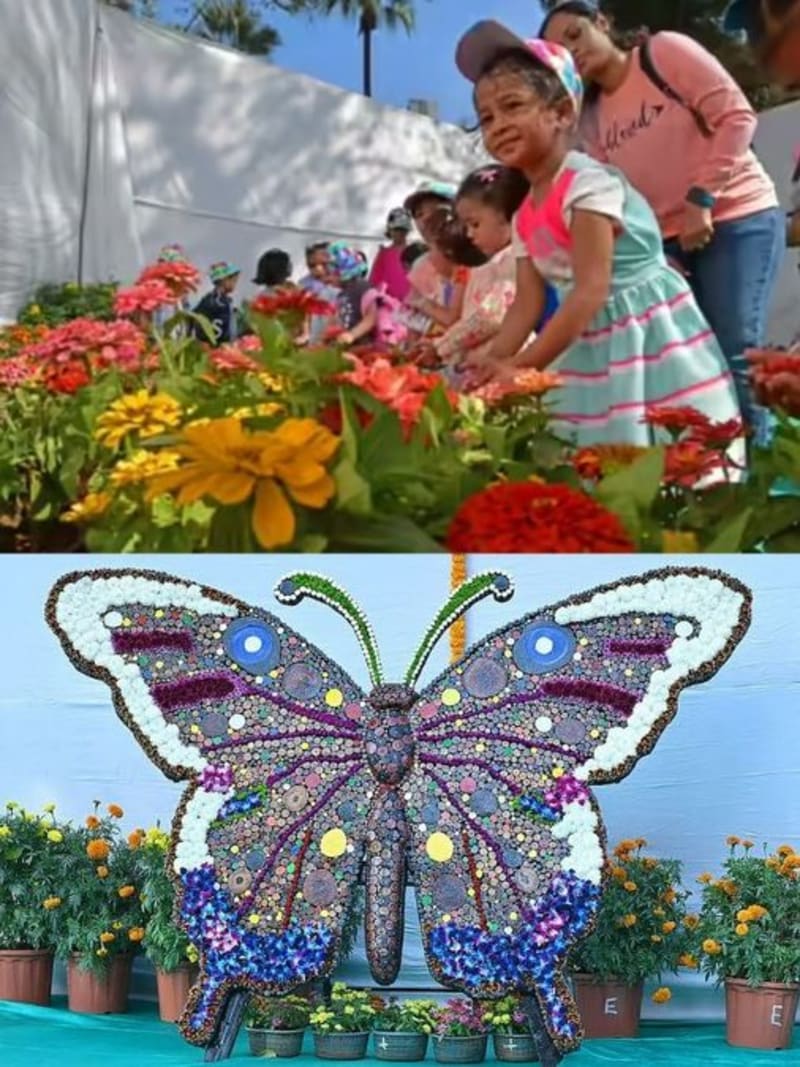
From Asia's largest tulip garden to a 130-year-old flower show, India's spring calendar bursts with colorful festivals celebrating millions of blooms. These free and low-cost events showcase everything from rare Himalayan orchids to thousands of rose varieties across seven cities.
Spring transforms India into a living canvas, and this year seven spectacular flower festivals invite travelers to experience nature's most colorful season firsthand.
The celebration starts in Mumbai, where the Veermata Jijabai Bhosale Botanical Garden hosts thousands of flowering plants with free entry from February 6 to 8. Just weeks later, Noida's Shivalik Park opens its landscaped gardens from February 19 to 22, featuring seasonal blooms and conversations about bringing more green spaces to urban areas.
Chandigarh's famous Zakir Hussain Rose Garden takes center stage during the last weekend of February. The acres-wide garden showcases thousands of rose varieties in every imaginable color and fragrance.
New Delhi offers the longest viewing window at Amrit Udyan in Rashtrapati Bhavan, where themed gardens welcome visitors from February 3 through March 31. The gardens close only on Mondays, giving families and tourists nearly two full months to explore.
The crown jewel arrives in Kashmir, where Asia's largest tulip festival transforms the Indira Gandhi Memorial Tulip Garden into a sea of color from late March to early April. Weather determines exact dates, but the wait proves worthwhile when millions of tulips open under Himalayan skies.
Gangtok's April to May flower show celebrates the Eastern Himalayas' unique biodiversity with rare orchids, rhododendrons, and alpine flowers found nowhere else. The mountain setting adds drama to blooms adapted to high-altitude life.
The season closes with Ooty's Government Botanical Garden, home to India's oldest flower show since 1896. May brings floral sculptures and rare hill plants that have made this event a tradition for over a century.
The Ripple Effect
These festivals do more than showcase pretty petals. They educate visitors about native species, sustainable gardening, and the importance of preserving plant diversity. Many events feature workshops on home gardening and urban greening, inspiring people to bring more flowers into their own communities.
The festivals also boost local economies as travelers fill hotels and restaurants. Small flower growers gain platforms to sell their plants directly to enthusiastic buyers who want to recreate the beauty at home.
Most events remain free or charge minimal entry fees, making nature's spectacle accessible to everyone regardless of income. Families can spend entire days surrounded by beauty without breaking their budgets.
From winter roses to summer hill blooms, these festivals mark nature's rhythms across India's diverse landscapes and climates.
Based on reporting by The Better India
This story was written by BrightWire based on verified news reports.
Spread the positivity!
Share this good news with someone who needs it