India's Baiga Olympics Uses Sacks and Pots as Sports Gear
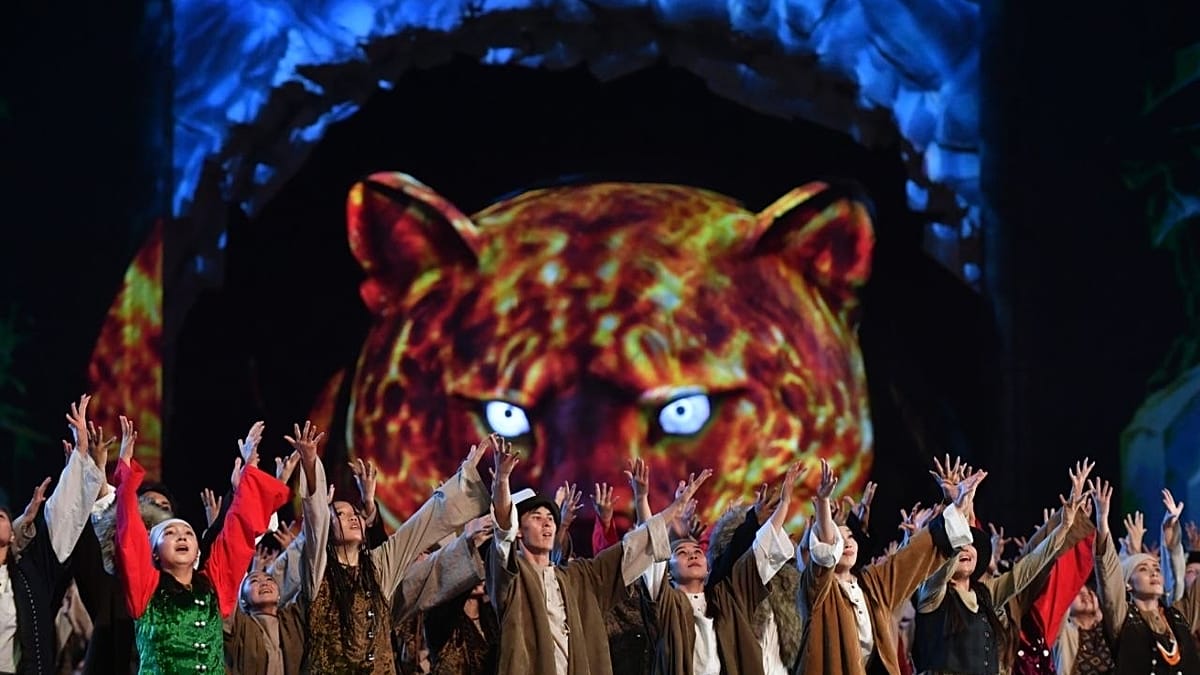
In Madhya Pradesh, gunny sacks and earthen pots replace professional equipment at a unique Olympics celebrating the traditional games of the Baiga community. Since 2015, this tribal sporting festival has kept ancient skills alive without a single synthetic track or branded jersey.
Forget floodlit stadiums and expensive sneakers. At the Baiga Olympics in Madhya Pradesh, athletes race while hopping in gunny sacks and balancing clay pots on their heads.
Since 2015, the town of Baihar in Balaghat district has hosted this tribal sporting festival that transforms everyday objects into athletic equipment. Organized by the Balaghat Tourism Promotion Council, the event celebrates traditional games that have been part of Baiga village life for generations.
The Baiga are one of India's 75 Particularly Vulnerable Tribal Groups, communities facing severe socio-economic challenges and geographical isolation. They've traditionally lived in close relationship with the forests of central India, maintaining extensive knowledge of local plants while developing physical skills passed down through generations.
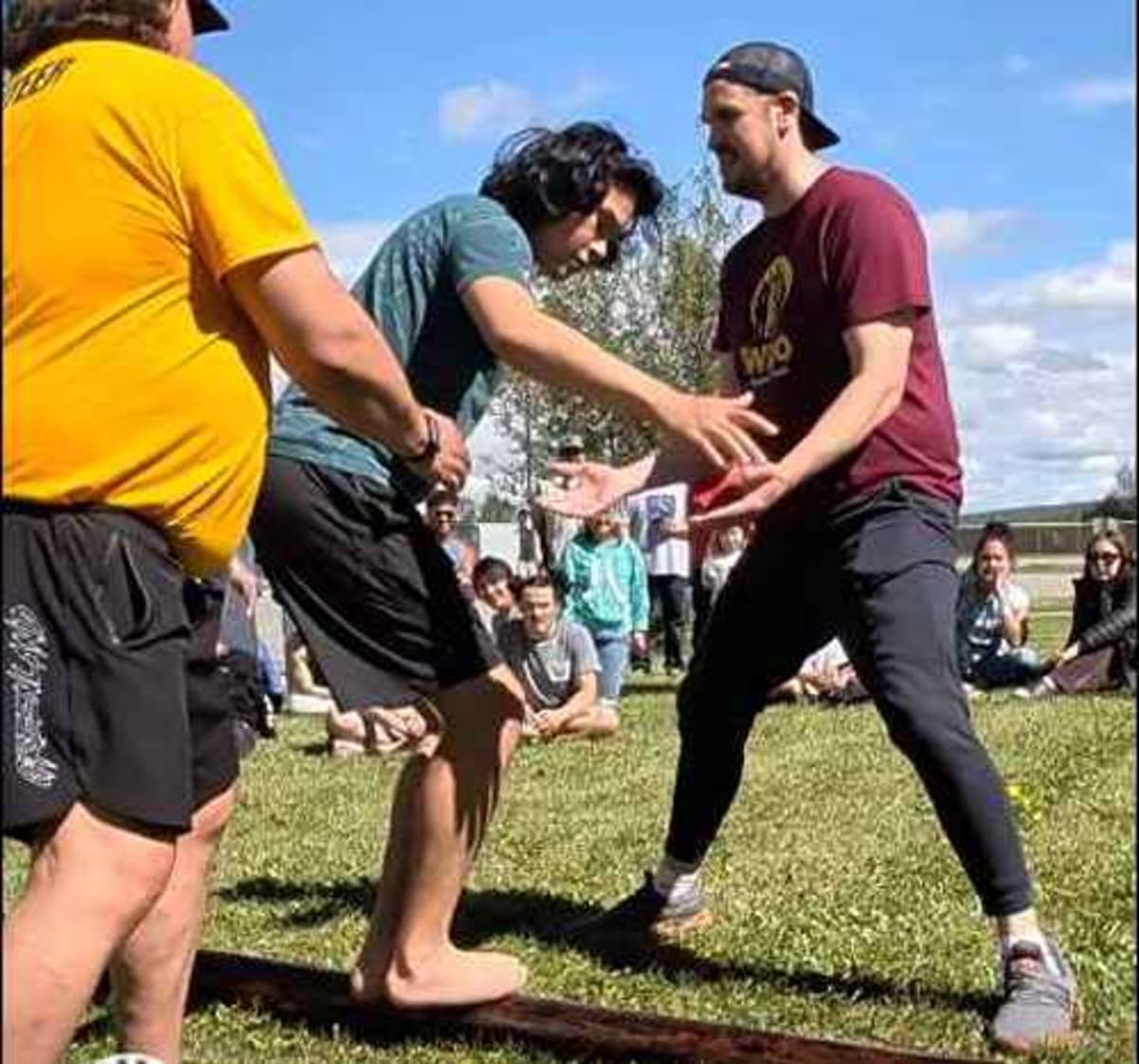
Those skills now shine at the Baiga Olympics. In Bora Daud, competitors climb into gunny sacks and race. In Matka Daud, they sprint while balancing earthen pots, testing coordination and speed simultaneously.
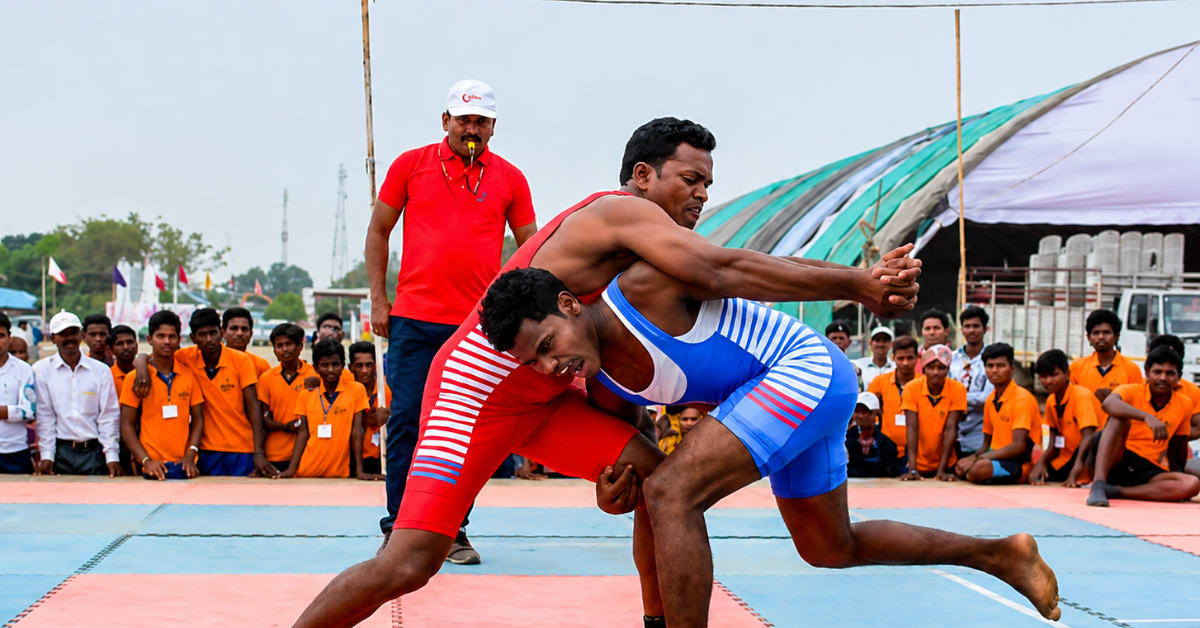
Bhalafenk turns spear throwing into sport, drawing on traditional hunting precision. Dhanushbaan involves bow and arrow contests. Vajni Khel showcases traditional wrestling, while Rassa-Kashi brings communities together for tug-of-war.
The festival has grown to welcome Baiga participants from Madhya Pradesh, Chhattisgarh, Maharashtra, Jharkhand, and Andhra Pradesh. A ceremonial torch travels through different districts before reaching Baihar, with promotional vehicles inviting Baiga youth to participate along the way.
No professional training required. No sponsorship deals necessary. Participants range from young athletes to older community members, united by shared cultural knowledge rather than years of specialized coaching.
The Ripple Effect
The Baiga Olympics does more than celebrate athletic skill. By borrowing the global language of the Olympics, complete with torch and ceremony, it brings visibility to a community that has historically faced marginalization and isolation.
The festival transforms activities that might otherwise disappear into competitive events that draw regional attention. Young Baigas see their traditional knowledge valued and celebrated, not dismissed as outdated. Visitors discover the sophisticated physical culture embedded in everyday tribal life.
What looks like simple games actually preserves complex skills: the balance needed to carry water pots long distances, the precision required for forest hunting, the strength built through traditional farming and wrestling. Each competition connects modern participants to ancestral practices.
The event also challenges assumptions about what "real" sports look like. Professional equipment isn't necessary for athletic excellence. Stadiums aren't required for meaningful competition. Sometimes a sack, a pot, and generations of knowledge are enough.
By creating space for traditional games alongside modern sports like volleyball and kabaddi, the festival builds bridges between heritage and contemporary life. It shows that preserving culture doesn't mean freezing it in time.
The Baiga Olympics proves that the most valuable sporting equipment isn't found in stores but in the skills communities carry forward together.
More Images
%2Fenglish-betterindia%2Fmedia%2Fmedia_files%2F2026%2F09%2F04%2Fbaiga-olympics-2026-09-04-17-12-17.png)
%2Ffilters%3Aformat(webp)%2Fenglish-betterindia%2Fmedia%2Fmedia_files%2F2026%2F09%2F04%2Fbaiga-olympics-1-2026-09-04-17-16-18.png)
Based on reporting by The Better India
This story was written by BrightWire based on verified news reports.
Spread the positivity!
Share this good news with someone who needs it