India's Care Leavers Build Peer Network for Aging Out Teens
Every year, 30,000 Indian teens age out of state care with little support. Two former care home residents created a tech platform connecting 3,200 young adults who help each other navigate independence.
When Girish Mehta turned 18, he had exactly one month to figure out his entire future after leaving the Jaipur care home he'd lived in since age 12. Anisha Sharma, who grew up in a Delhi home for children living with HIV and AIDS, found herself suddenly independent, mid-course and mid-dream.
In India, roughly 30,000 teens reach adulthood in childcare institutions each year and legally become "nobody's responsibility." While national law promises aftercare support until age 21 or 23, most young people stepping out of state care receive little to no help.
Mehta and Sharma refused to let others face the same struggle alone. They created Careleavers Inner Circle (CLiC), a tech platform led by care leavers for care leavers, now supported by UNICEF.
The platform started with a database of care leavers in Rajasthan and quickly grew across India. Today, over 3,200 young people have joined, supported by 14 staff members and dozens of volunteers operating in four states.
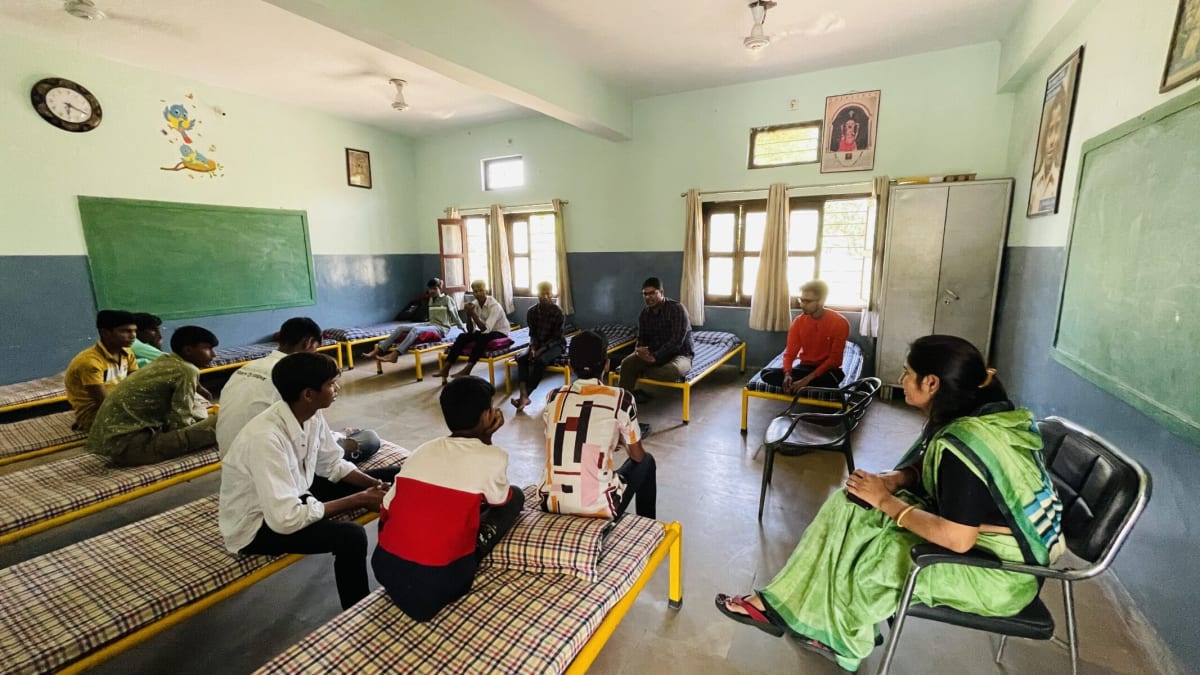
New members receive a starter kit with a smartphone, hygiene essentials, and clothing. They also gain access to job postings, professional skills courses, free counseling, and most importantly, a community of peers who truly understand.
Most CLiC staff and volunteers are care leavers themselves, under 30 and navigating young adulthood together. They debate real questions like how long support should last and when preparation should begin.
A 2019 study found that 44 percent of care leavers in five Indian states had no say in planning their own rehabilitation. CLiC believes young people must make their own choices about their futures, with proper guidance starting around age 16.
The Ripple Effect
The impact extends beyond individual support. CLiC is building a model that proves peer networks can fill gaps where institutions fall short, showing that those who've lived the experience make the most effective mentors.
Many childcare institutions are understaffed and underfunded, making extensive preparation programs difficult. CLiC's tech-enabled, peer-led approach offers a scalable solution that grows stronger with each person who joins and eventually helps others.
Thousands of young adults who once felt abandoned now have phone numbers to call, job leads to pursue, and friends who've walked the same path. They're teaching each other how to adult, one shared experience at a time.
More Images

Based on reporting by Reasons to be Cheerful
This story was written by BrightWire based on verified news reports.
Spread the positivity!
Share this good news with someone who needs it