India's Cheetah Count Crosses 50 After 70-Year Extinction
A female cheetah named Jwala just gave birth to five cubs at Kuno National Park, pushing India's cheetah population past 50 for the first time since 1952. The milestone traces back to one determined conservationist who refused to let a dream die.
When a cheetah named Jwala recently gave birth to five cubs at Kuno National Park, India quietly crossed a threshold that once seemed impossible. The country's cheetah population now stands above 50, seven decades after the species vanished completely.
In 1952, officials declared the cheetah extinct in India. Hunting, shrinking grasslands, and disappearing prey had erased an animal that once roamed freely across the country's forests and plains.
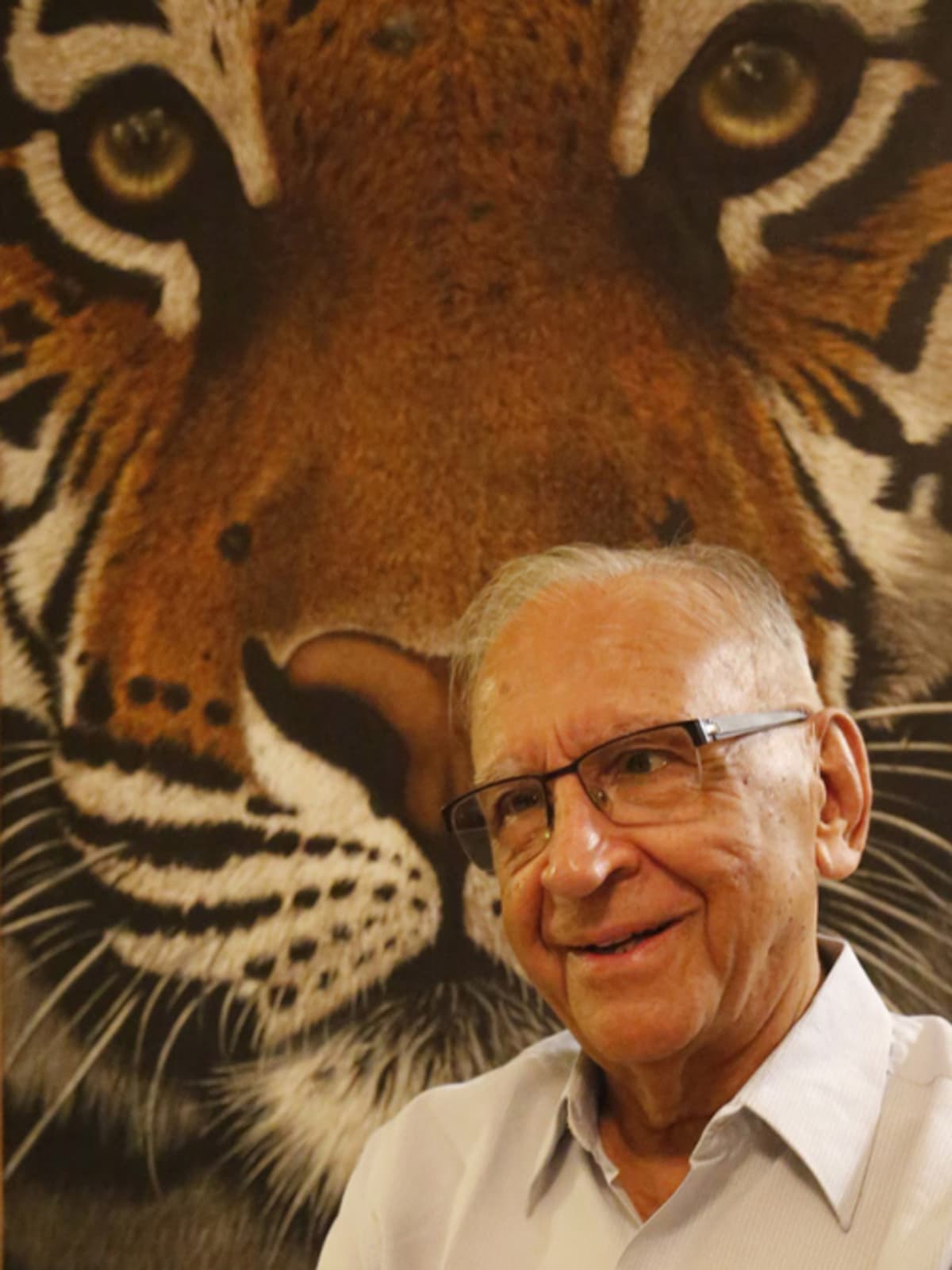
But a young wildlife enthusiast named M K Ranjitsinh couldn't accept that loss. He carried one persistent question into his career as an IAS officer: could India ever bring the cheetah home?
That question shaped decades of quiet, patient work. In 1972, while drafting the Wildlife Protection Act, Ranjitsinh added the cheetah to the list of protected species even though none remained alive in India. He kept the door open on paper while the path forward remained unclear.
For years, he spoke about cheetah reintroduction through proposals, conversations, and long stretches of waiting. The idea moved slowly through government channels and conservation circles, gathering support across continents.
The vision finally crystallized as Project Cheetah. In 2022, eight cheetahs from Namibia arrived at Kuno National Park, stepping onto Indian soil for the first time in 70 years. More cheetahs followed from other countries, and then something extraordinary happened: they started having cubs.
Why This Inspires
Ranjitsinh's story shows what happens when someone holds onto a good idea even when the timeline stretches across decades. He protected a species on paper before it existed in reality, trusting that future generations would find a way forward.
The cheetahs at Kuno represent more than population numbers. They're proof that extinction doesn't have to be the final chapter, that ecosystems can heal when given the chance, and that one person's refusal to give up can reshape what's possible.
Project Cheetah brought together governments, conservationists, and international partners who believed India's grasslands could support these animals again. Each birth at Kuno strengthens that belief.
Ranjitsinh once said, "The most difficult thing to kill is a good idea." Watching cheetah cubs tumble through Kuno's grass proves him right.
Based on reporting by The Better India
This story was written by BrightWire based on verified news reports.
Spread the positivity!
Share this good news with someone who needs it