India's Cheetah Cubs Hit 33 After Historic Reintroduction
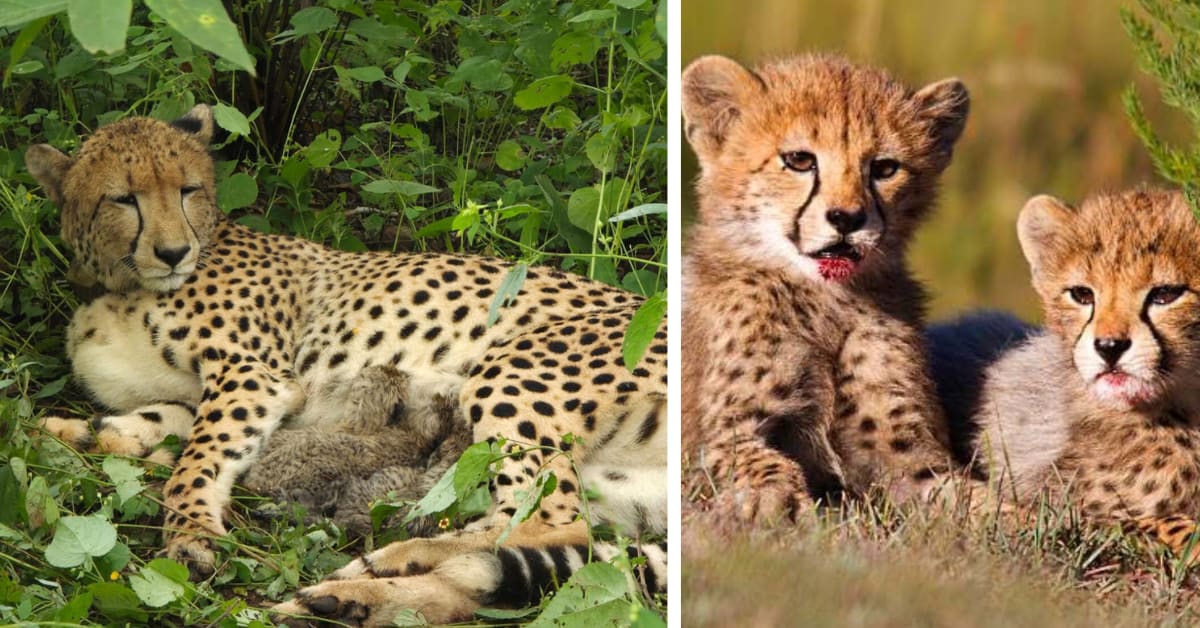
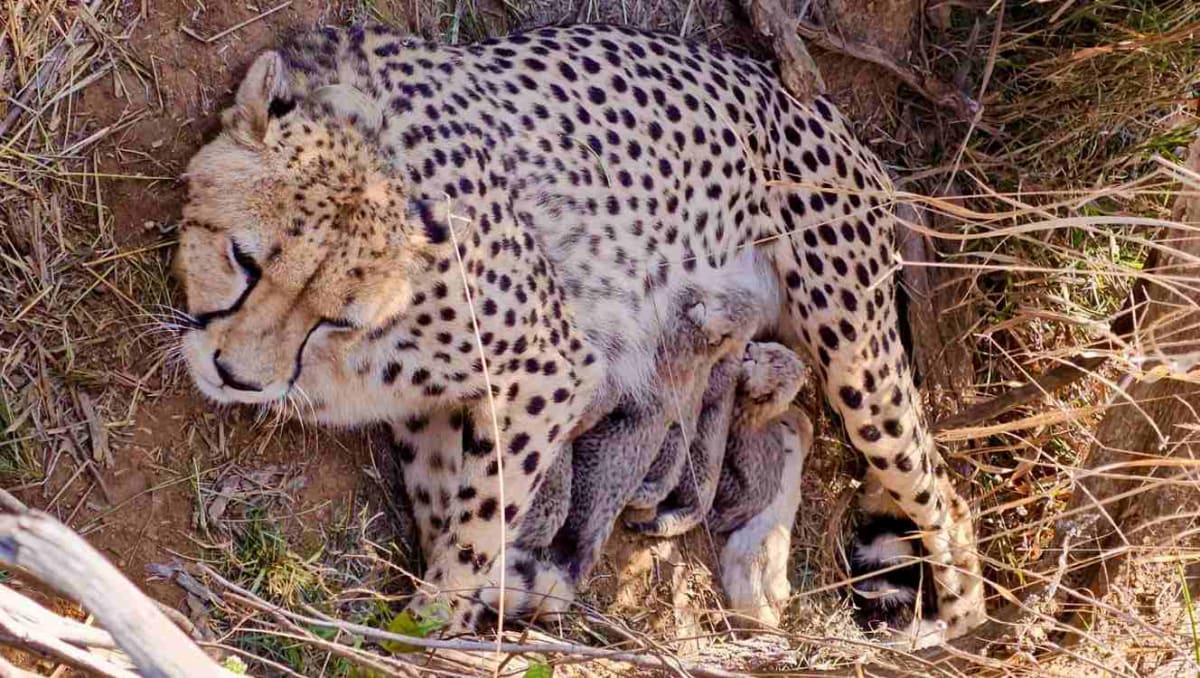
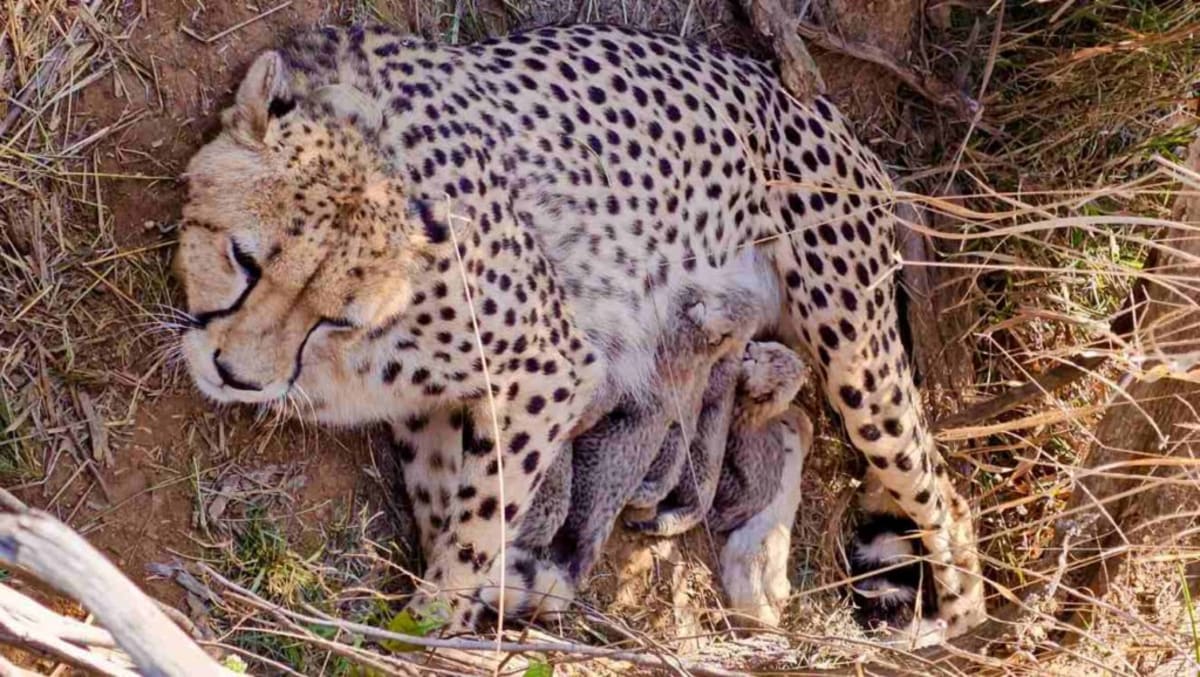
A cheetah named Jwala just gave birth to five cubs in India, bringing the country's total to 33 cheetah cubs born since the big cats returned in 2022. The achievement marks India's ambitious effort to restore a species that vanished 70 years ago.
Five tiny cheetah cubs born in India's Madhya Pradesh state represent far more than adorable wildlife babies. They're proof that one of the world's boldest conservation experiments is actually working.
Jwala, a cheetah brought from Africa, recently delivered her third litter at Kuno National Park. Her five new cubs bring India's total cheetah births to 33 since the country welcomed these spotted sprinters back in 2022. It's the first time in history that cheetahs have been successfully reintroduced to a place where they went extinct.
India's cheetahs disappeared in the mid-20th century after centuries of hunting for pelts and sport. The government launched Project Cheetah in 2022, flying in 28 cheetahs from Namibia, Botswana, and South Africa to restore them to their historic home.
The journey hasn't been smooth. More than half of the original African cheetahs have died, drawing criticism and concern from conservationists. Some ecologists worried the cats would struggle to adapt to Kuno's existing leopard population and different terrain.
But the numbers tell a hopeful story. Today, 53 cheetahs roam wild and semi-wild habitats across Kuno National Park and Gandhi Sagar Wildlife Sanctuary. That includes 11 original African cats and 33 India-born cubs, some now reaching breeding age themselves.
Another cheetah named Gamini delivered three cubs in February, her second litter since arriving from Namibia. Field staff and veterinarians work around the clock monitoring the cats and supporting their adaptation to Indian landscapes. The National Tiger Conservation Authority reports that survival rates and hunting successes match other international reintroduction programs, with wild prey kills confirming the cheetahs are learning to hunt successfully.
The Ripple Effect
India's cheetah comeback is inspiring similar efforts worldwide. Saudi Arabia recently launched its own cheetah reintroduction program, following India's pioneering model. These projects show that extinction doesn't have to be forever, and that determined conservation efforts can reverse even decades-old losses.
The success also demonstrates India's growing commitment to wildlife protection, following the country's remarkable achievement of doubling its tiger population in just ten years. Each new litter proves that with patience, resources, and dedicated teams, humans can help repair the damage done to nature.
Environment Minister Bhupender Yadav celebrated the births as achievements reflecting "the dedicated efforts, skill, and commitment of the veterinarians, field staff and all involved who continue to work tirelessly on the ground." Jwala's five cubs and their growing family are carrying India's revival story forward with speed and grace.
More Images



Based on reporting by Good News Network
This story was written by BrightWire based on verified news reports.
Spread the positivity!
Share this good news with someone who needs it