India's Chefs Turn 800 Varieties of Seaweed Into Fine Dining
Along India's coast, a once-ignored ocean ingredient is transforming into a culinary movement. Local harvesters are now earning seven times more collecting native seaweed for top restaurants.
India's coastline holds more than 800 varieties of seaweed, and for generations, it simply washed ashore to become compost for trees. Now, chefs across the country are discovering what locals never knew: this underwater forest is edible, delicious, and completely sustainable.
Gabriella D'Cruz started The Good Ocean to bridge a surprising gap. India's abundant seaweed was being processed into industrial additives, but no one was supplying whole, traceable seaweed to kitchens. She works with local harvesters in Sindhudurg who carefully cut sargassum and other varieties just above the holdfast, allowing the plants to regenerate naturally.
The harvesters earn about ₹100 per kilogram of fresh seaweed. That's seven times more than the ₹14-15 typically paid in coastal Tamil Nadu for semi-dried varieties. They work during calm morning tides using masks and snorkels, and get paid the same day.
After harvesting, the seaweed dries in dehumidifier rooms instead of under the sun. This careful process preserves nutrients and prevents UV damage, keeping the seaweed fresh for up to two years.
Mumbai chef Varun Totlani at Masque has started featuring varieties like sea lettuce and sargassum swartzii. "The ocean, despite being such a large part of our geography, felt underexplored in restaurant kitchens," he explains. The natural salinity and umami in seaweed means less manipulation needed in cooking.
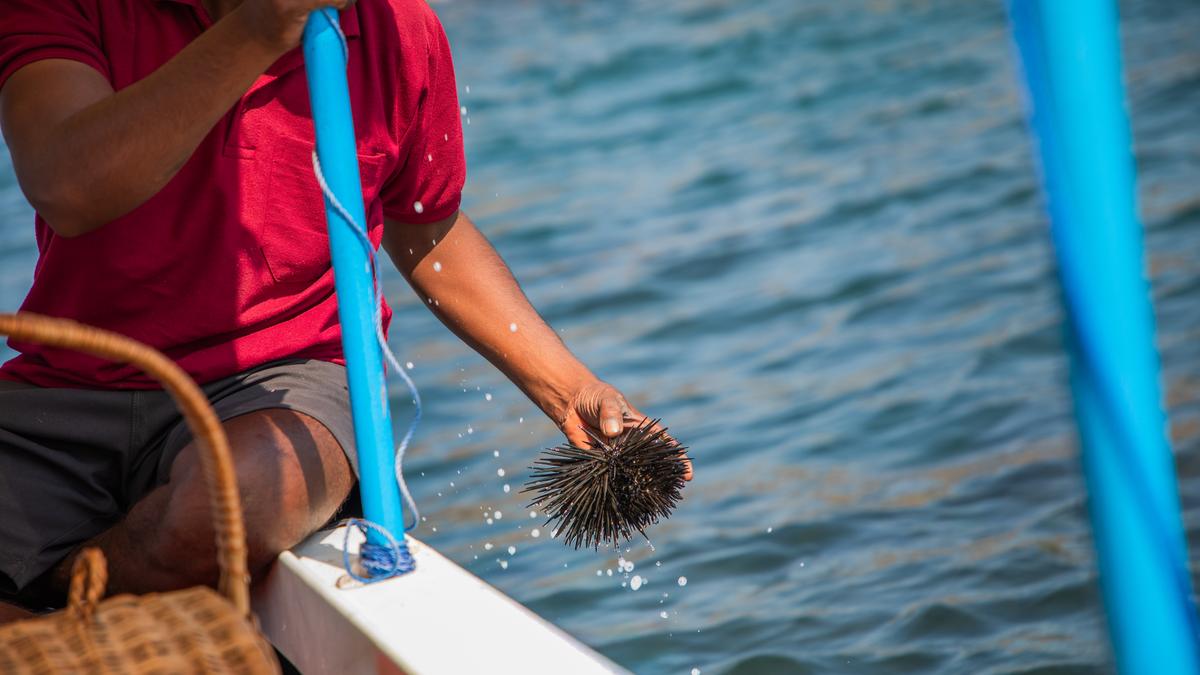
At Coco Shambhala resort in Sindhudurg, guests can now learn to harvest sea urchins and may soon forage for seaweed too. Founder Giles Knapton grew up eating seaweed fresh off Irish beaches. He sees it as a sign of healthy ocean ecosystems and believes small-scale use keeps it sustainable.
Even bars are experimenting carefully with seaweed. Pankaj Balachandran at Boilermaker Goa uses it as tinctures or bitters to add umami layers to cocktails, letting the distinctive flavor complement rather than dominate drinks.
The Ripple Effect
This small movement is creating waves beyond restaurant menus. Coastal communities are learning traditional ingredients can become premium products. Harvesters trained in sustainable practices now understand reproductive cycles and species diversity, protecting underwater forests for the long term. Local fishing families are finding new income sources that complement their existing work.
F&B manager Suhas Malewadkar notes that most locals still don't know seaweed is edible. But as resort guests forage alongside harvesters and Mumbai diners discover sea lettuce on their plates, awareness is spreading organically from shore to city.
India's seaweed story is ultimately about recognizing abundance that was always there, waiting beneath the waves.
Based on reporting by The Hindu
This story was written by BrightWire based on verified news reports.
Spread the positivity!
Share this good news with someone who needs it