India's Cleanest Village: Born From Tragedy to Inspiration
After cholera nearly destroyed Mawlynnong in the 1880s, villagers created a culture of cleanliness so powerful it earned them the title of India's cleanest village. Their simple habits and community spirit now offer a blueprint for cities across the nation.
A cholera epidemic in the 1880s nearly wiped Mawlynnong off the map. Survival meant revolutionizing how the village lived, and what emerged became a model that now inspires all of India.
The small village in Meghalaya transformed tragedy into tradition. After losing countless lives to disease, villagers enforced strict cleanliness rules to prevent another outbreak, passing these practices down through generations until they became second nature.
Every Saturday, the entire village stops. Shops close, and everyone participates in a mandatory community cleaning drive, following the ancient Khasi-Jaintia tradition of collective work and shared meals.
Children learn young. Students spend an hour every Friday cleaning their surroundings with synsar motors, traditional bamboo broomsticks that connect them to ancestral practices.
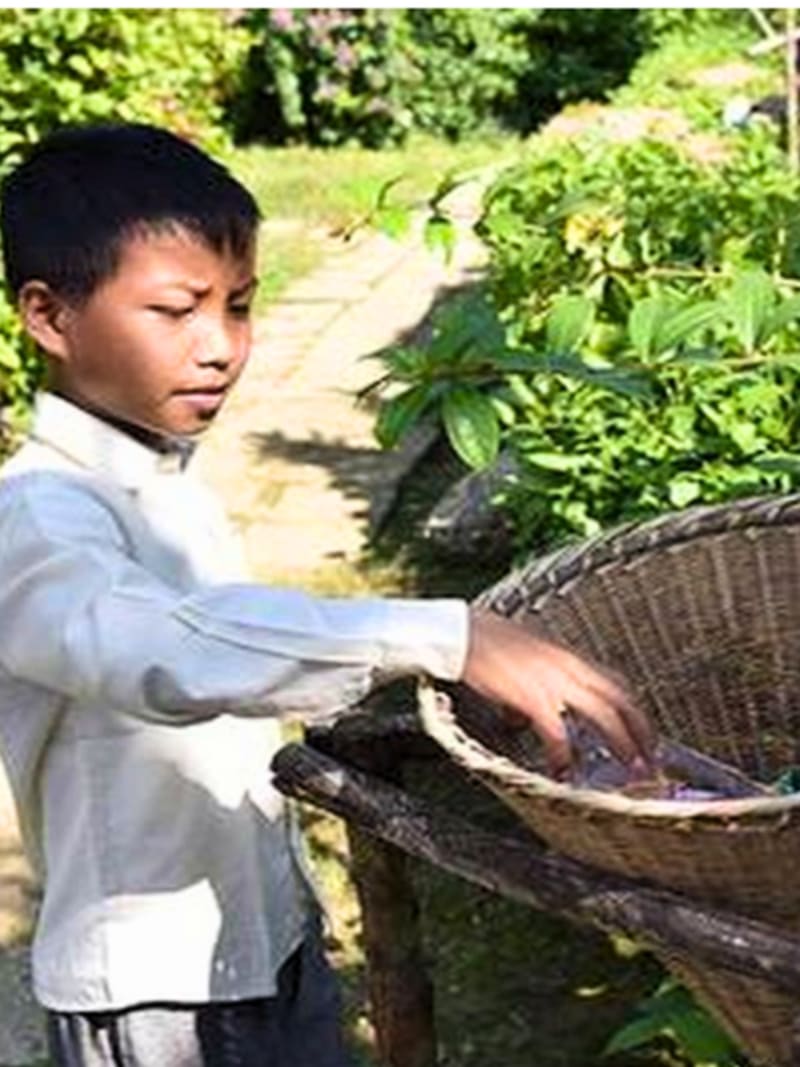
Cone-shaped bamboo baskets called khoh stand at every corner. Kids empty them daily, sorting organic waste for fertilizer and separating burnable materials so nothing gets mindlessly dumped.
Beauty is built into everything. River stones frame walking paths, while orchids and wild blossoms fill every yard through ancestral floriculture knowledge passed down for generations.
The infrastructure supports the philosophy. Homes use soak pits that prevent waste from poisoning soil, rainwater collects in natural front yard basins, and streams receive protection like honored elders.
When visitors drop litter, locals quietly pick it up. There's no shame, no confrontation, just a quiet demonstration that cleanliness here isn't enforced but inherited.
The Ripple Effect
The Dorbar Shnong village council transformed cleanliness into community prosperity. Sustainable tourism now funds school supplies, healthcare, and housing for families in need.
When parents fall ill, the village feeds their children. When a family cannot finish building their home, the council steps in to complete it, ensuring no one struggles alone.
The system creates a positive cycle. Recognition and rewards keep motivation high, while collective responsibility means everyone shares in both the work and the benefits.
What started as a survival strategy now attracts visitors worldwide. They come to see proof that world-class cleanliness doesn't require massive budgets, just consistent community effort and simple eco-friendly practices.
Mawlynnong proves that transformation is contagious when everyone participates.
Based on reporting by The Better India
This story was written by BrightWire based on verified news reports.
Spread the positivity!
Share this good news with someone who needs it