India's Communities Turn Ice, Forests Into Water Solutions
From Ladakh's ice towers to Meghalaya's living bridges, communities across India are solving water challenges with local wisdom. These simple, nature-based solutions are proving that conservation starts with understanding the land.
Communities across India are keeping water flowing through their villages using methods that look nothing like modern engineering, yet work beautifully with nature's rhythms.
In Ladakh, farmers face a timing problem. Glacial streams flow strongest in summer, but crops need water earlier in spring. Their answer? Ice stupas, cone-shaped towers built by spraying water into freezing winter air. When spring arrives, these frozen reserves melt slowly, releasing water exactly when fields need it most.
The solution reveals something powerful about local knowledge. Winter isn't just a season to endure. It's a chance to store what will be precious later.
Across the country in Rajasthan, communities are returning to stepwells and johads, small earthen dams that once defined village life. These traditional structures catch brief monsoon rains and hold them long after clouds disappear. What makes this story moving isn't just that these systems existed centuries ago. It's that villages are now restoring them, cleaning out decades of neglect, and watching water return.
In Meghalaya's Khasi hills, water conservation begins in the canopy. Communities grow living root bridges by guiding rubber tree roots across rivers using bamboo scaffolding. The process takes 15 to 30 years, and the bridges keep growing stronger with time.
These bridges do more than span streams. They protect the forests that catch rain, slow runoff, and feed springs throughout the year. Caring for water here means caring for trees first, a patient approach that leaves behind infrastructure that outlasts any concrete structure.
The Ripple Effect
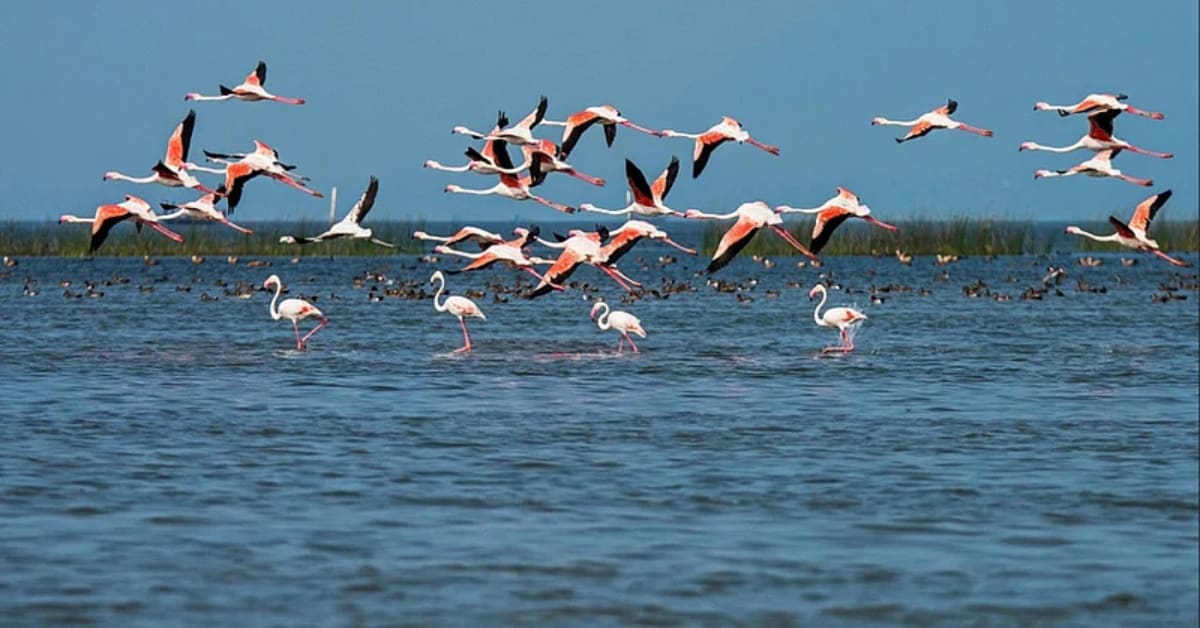
Odisha's Chilika Lake shows how water protection transforms entire communities. This vast lagoon, recognized internationally as critical wetland habitat, hosts massive flocks of migratory birds each winter while supporting thousands of fishing families year-round. When locals protect the lake's health, they're protecting dolphins, rare birds, and their own livelihoods in one action. The lake proves that ecology and economy don't have to compete.
These solutions share common ground despite spanning deserts, mountains, forests, and coasts. Each approach grew from people watching their landscape closely enough to understand its patterns. Ice stupas work because someone noticed winter's abundance could solve spring's scarcity. Root bridges exist because communities saw forests and rivers as connected, not separate.
What's happening isn't revolutionary technology. It's observation meeting care, season after season, until solutions emerge that fit the land perfectly.
On World Water Day, these stories offer something more valuable than complex blueprints. They show that protecting water often starts with paying attention, remembering what worked before, and choosing to work alongside nature instead of trying to control it. When communities make that choice, water finds a way to stay.
More Images
%2Fenglish-betterindia%2Fmedia%2Fmedia_files%2F2026%2F03%2F18%2Fchilika-lake-2026-03-18-04-18-22.png)
%2Ffilters%3Aformat(webp)%2Fenglish-betterindia%2Fmedia%2Fmedia_files%2F2026%2F03%2F18%2Ffeatured-img-2026-03-18-04-08-06.png)
%2Ffilters%3Aformat(webp)%2Fenglish-betterindia%2Fmedia%2Fmedia_files%2F2026%2F03%2F18%2Ffeatured-img-1-2026-03-18-04-11-49.png)
Based on reporting by The Better India
This story was written by BrightWire based on verified news reports.
Spread the positivity!
Share this good news with someone who needs it