India's Crocodile Population Soars to 1,858 in Odisha Park
A conservation program in India's Bhitarkanika National Park has been so successful that scientists now use drones to count the thriving saltwater crocodile population. The January 2026 survey recorded 1,858 crocodiles in what's become one of the world's most remarkable wildlife comeback stories.
Scientists are now counting crocodiles from the sky because there are simply too many to track on foot or water in India's Bhitarkanika National Park.
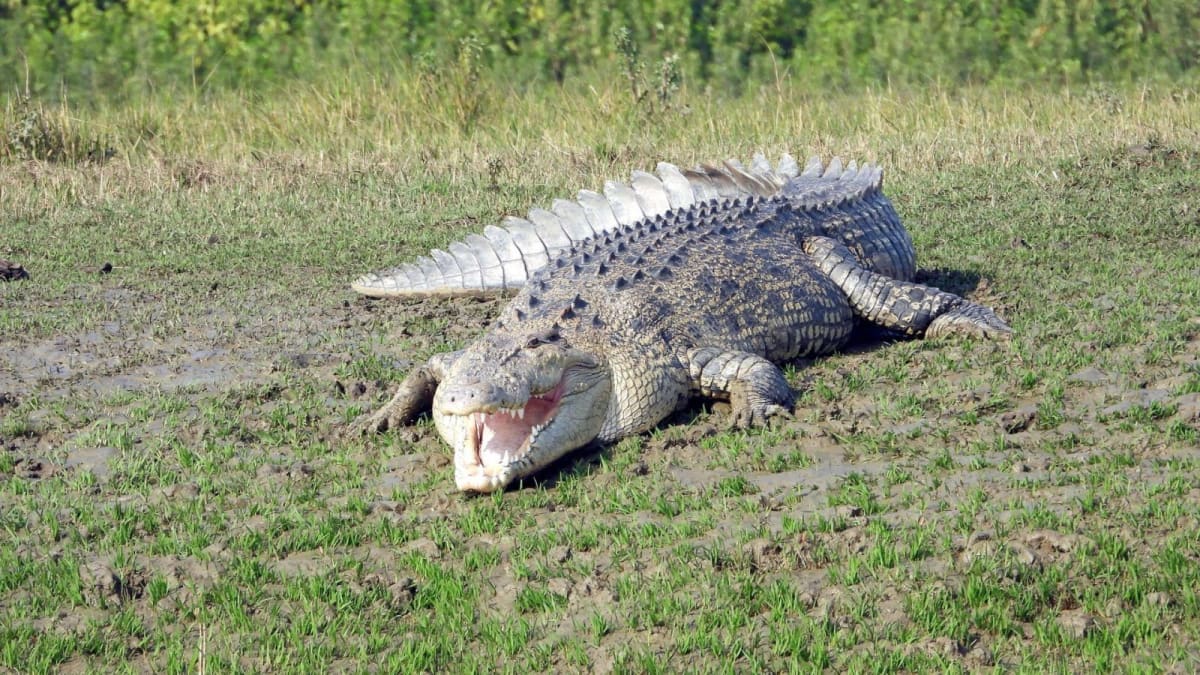
The January 2026 drone survey tallied 1,858 saltwater crocodiles thriving in Odisha's mangrove forests, a stunning testament to decades of focused conservation work. The park, spanning 672 square kilometers of India's second-largest mangrove ecosystem, now hosts the country's largest population of these ancient reptiles.
Visitors aboard sustainable tourism boats witness these success stories firsthand. Large crocodiles called "Kalia" sunbathe on mud flats while smaller ones glide through the network of creeks and estuaries that make up this unique habitat.
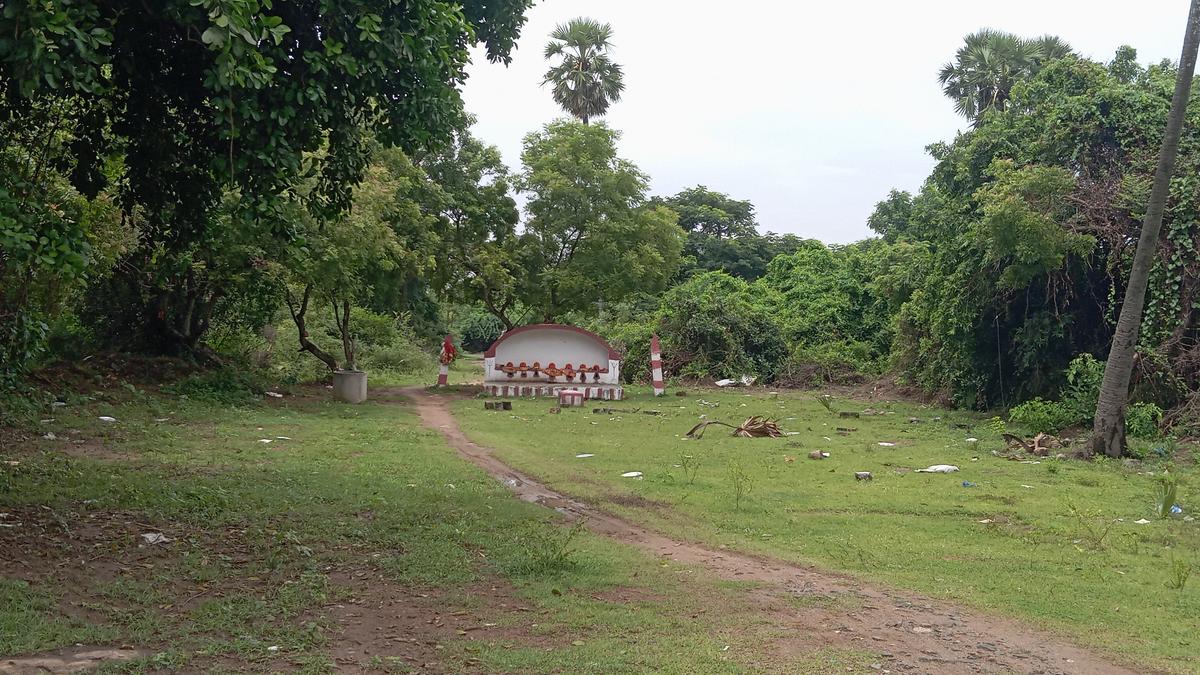
The conservation program works because it protects the entire ecosystem, not just individual species. Dense mangrove forests provide perfect breeding grounds, while strict protection measures have allowed populations to recover from dangerously low numbers decades ago.
Tourism here supports the comeback too. Eco-friendly catamarans use solar power and low-emission engines to minimize disturbance to wildlife while bringing much-needed income to local communities. The boats' shallow design prevents erosion of delicate mangrove roots where young crocodiles hide.
Local guides, naturalists, and hospitality staff now earn stable incomes showing visitors the wildlife they've helped protect. Villages supply food and crafts to the tourism industry, creating economic incentives to preserve rather than develop the wetlands.
The Ripple Effect
The crocodile comeback signals health across the entire ecosystem. Where crocodiles thrive, so do the eleven species of water birds that nest in mangrove trees, including Asian openbill storks and the stunning brown-winged kingfisher, endemic to these forests.
The wetlands also serve migratory birds traveling the Central Asian Flyway, providing crucial stopover points for thousands of species each year. Spotted deer, wild boars, land monitors, and king cobras share the protected forests.
Beyond wildlife, healthy mangroves protect coastal communities from storms and erosion while filtering pollutants and storing massive amounts of carbon. The success at Bhitarkanika demonstrates how protecting apex predators like crocodiles benefits entire regions.
Other conservation programs worldwide are studying Odisha's model, which combines strict habitat protection with community-based sustainable tourism. When locals benefit economically from wildlife, they become the most effective guardians.
Nearly 2,000 crocodiles now call Bhitarkanika home, proof that even species once on the brink can recover with sustained effort and community support.
More Images

Based on reporting by Google News - Conservation Success
This story was written by BrightWire based on verified news reports.
Spread the positivity!
Share this good news with someone who needs it