India's Dugongs Surge to 270 in Tamil Nadu Waters
Once nearly extinct, India's gentle sea cows are thriving again with 270 dugongs now grazing along Tamil Nadu's coast. This remarkable comeback proves that when communities, scientists, and governments work together, even slow-breeding marine mammals can bounce back.
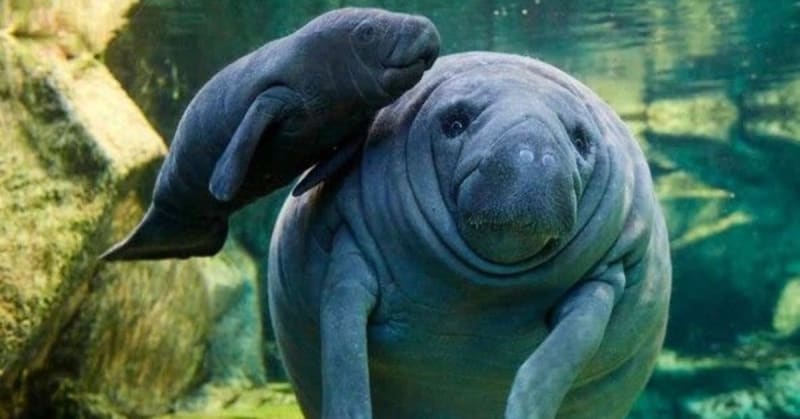
Imagine an underwater gardener weighing up to 400 kilograms, quietly munching on seagrass meadows and keeping entire coastal ecosystems healthy. That's the dugong, and India just brought 270 of them back from the edge of extinction.
Tamil Nadu's coast is now home to India's largest population of these gentle "sea cows," a stunning turnaround for a species that was disappearing just decades ago. A recent survey by the Wildlife Institute of India counted 158 dugongs in Palk Bay and 112 in the Gulf of Mannar, marking one of India's most inspiring marine conservation wins.
Dugongs are strict herbivores who spend their days grazing on underwater seagrass, consuming up to 40 kilograms daily. By keeping seagrass meadows healthy, they support entire fishing communities and help coastlines store carbon naturally.
But these slow-moving mammals nearly vanished from Indian waters due to fishing net entanglements, habitat loss, and coastal development. With dugongs reproducing slowly and remaining difficult to spot, their survival seemed increasingly uncertain.
The turnaround began with Tamil Nadu's Dugong Recovery Programme, which brought scientists, the state forest department, and local fishing communities together. India created its first Dugong Conservation Reserve in Palk Bay, protecting 448 square kilometers of critical seagrass habitat.
Fishing communities became key partners, learning to reduce accidental bycatch and report sightings. Scientists intensified monitoring efforts and tracked breeding patterns across both regions.
The best news? Researchers spotted multiple mother-calf pairs during surveys, proof that dugongs aren't just surviving but actively breeding. For conservationists who've dedicated years to this effort, these sightings represent genuine hope.
Tamil Nadu is now building a dedicated Dugong Conservation Centre in Thanjavur district to deepen research and strengthen community involvement. The International Union for Conservation of Nature has recognized this initiative as a model for marine biodiversity conservation worldwide.
The Ripple Effect
The dugong comeback is creating waves far beyond one species. Healthy seagrass meadows sustained by grazing dugongs support thriving fish populations that coastal communities depend on for their livelihoods. These underwater gardens also stabilize shorelines and capture significant amounts of carbon, helping fight climate change from below the surface.
Local fishing communities are experiencing fewer conflicts with conservation efforts and seeing healthier catches as marine ecosystems rebound. What started as protecting one vulnerable species has transformed into protecting entire coastal ecosystems that benefit thousands of people.
This success story joins India's growing list of conservation wins, from Project Tiger's success to crocodile comebacks in Odisha. Each victory proves the same lesson: sustained effort, community participation, and science-backed policy can reverse even the most concerning wildlife declines.
Right now, 270 dugongs are peacefully grazing in Tamil Nadu's warm coastal waters, a living reminder that conservation works when we commit to it together.
More Images
%2Fenglish-betterindia%2Fmedia%2Fmedia_files%2F2026%2F02%2F11%2Ftbi-featured-image-21-2026-02-11-13-26-47.jpg)
%2Fenglish-betterindia%2Fmedia%2Fmedia_files%2F2025%2F11%2F20%2Fwild-at-heart-banner-image-microsite-banner-2025-11-20-16-17-04.jpg)
%2Ffilters%3Aformat(webp)%2Fenglish-betterindia%2Fmedia%2Fmedia_files%2F2026%2F02%2F11%2Fdungong-2026-02-11-12-14-57.jpg)

Based on reporting by The Better India
This story was written by BrightWire based on verified news reports.
Spread the positivity!
Share this good news with someone who needs it