India's Elephant Camps Ditch Rides for Real Rescue Care
Across India, elephant camps are transforming from tourist attractions into genuine sanctuaries where rescued animals heal instead of perform. Five pioneering centers are proving that captive elephants deserve rest, recovery, and dignity over entertainment.
For decades, captive elephants in India were expected to work: giving rides, performing tricks, or serving in ceremonies. Now, a quiet revolution is giving these gentle giants something they've rarely known: the chance to just be elephants.
Five camps across India are rewriting what it means to care for captive elephants. From Tamil Nadu to Uttar Pradesh, these centers have stopped the rides and performances, focusing instead on rescue, rehabilitation, and real sanctuary care.
At the Anamalai Tiger Reserve in western Tamil Nadu, 20 to 30 Kumki elephants live without the pressure of tourism. Originally trained to help manage wild elephant conflicts for forest departments, these elephants work only seasonally and never for entertainment. The camp acknowledges a hard truth: some elephants can't return to the wild, but they don't have to be exploited either.
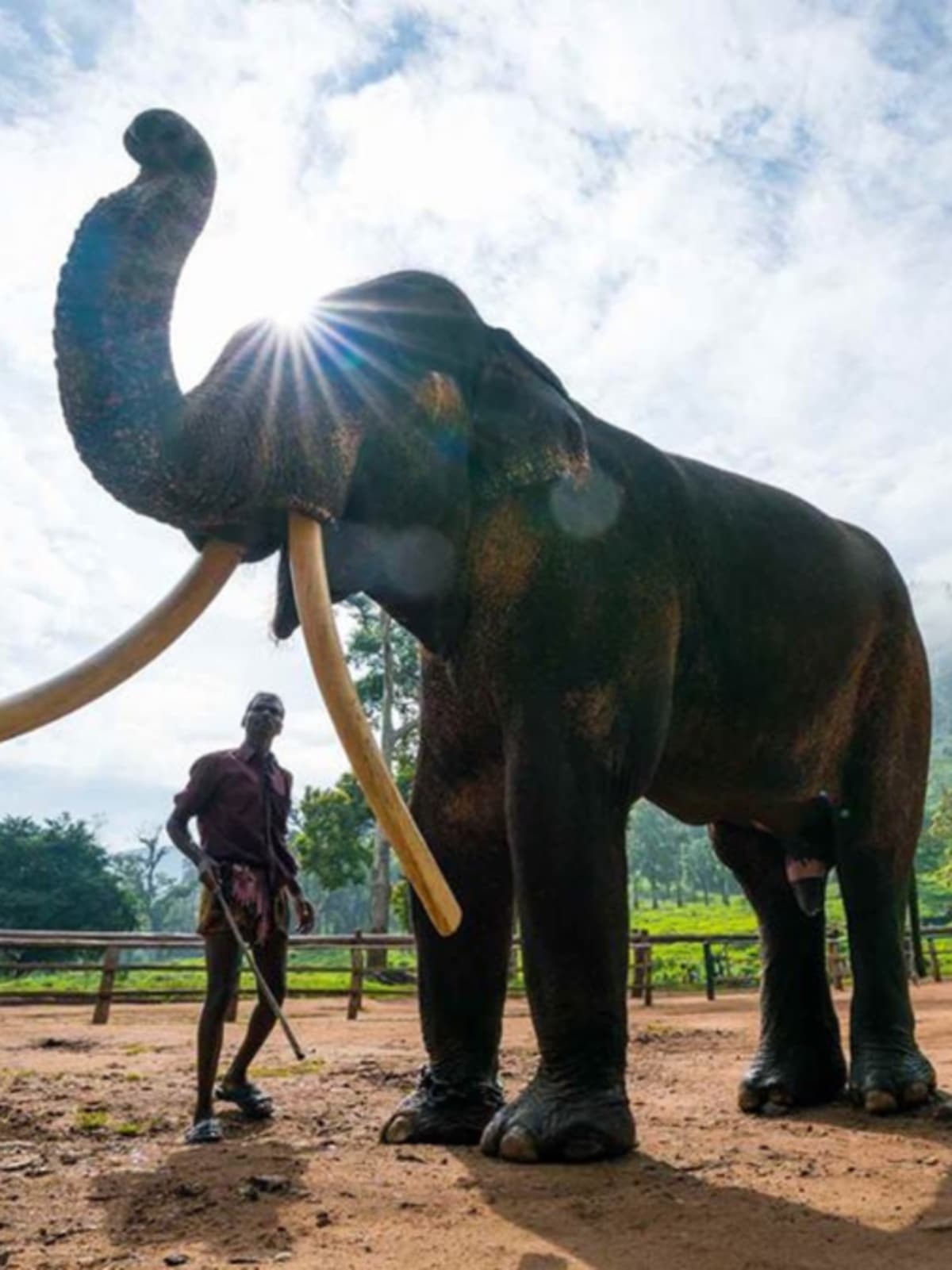
The Theppakadu Elephant Camp, established in 1910, takes a different approach to dignity. Its 25 to 30 elephants move freely through live forest each day instead of being chained. Mahouts from Indigenous communities form lifelong bonds with individual elephants, creating trust that reduces stress and the need for strict control.
Wildlife SOS Elephant Conservation and Care Centre in Uttar Pradesh rescues the most traumatized elephants: former circus performers, temple workers, and begging elephants. Since 2010, over 20 elephants have arrived with physical and emotional scars. Here, they get something revolutionary: the chance to heal, live in herds, and never perform again.
Kerala's Kodanad centre, dating back to 1895, now offers retirement to temple elephants. What once trained captured elephants for work has become a quiet sanctuary where cultural workers finally rest. The shift reflects growing recognition that even sacred service takes a toll.
At Sakrebyle camp near the Tunga River, 20 to 25 rescued and orphaned elephants follow natural rhythms. They bathe in the river, forage, and move through forest surroundings that honor their need for space and autonomy.
The Ripple Effect
These five camps are changing more than individual elephant lives. They're challenging India's long relationship with captive elephants and proving that sanctuaries can replace spectacle. Mahouts are learning that their expertise matters more in healing than control. Tourists are discovering that watching elephants be themselves is more meaningful than riding them.
The model is spreading as more camps rethink their purpose. Each rescued elephant that gets to heal instead of perform shifts the culture a little further toward compassion.
Across India, elephants who spent years carrying tourists or performing tricks are finally getting to just walk, bathe, and rest.
Based on reporting by The Better India
This story was written by BrightWire based on verified news reports.
Spread the positivity!
Share this good news with someone who needs it