India's EV Shift Could Create 30M Jobs by 2047
India is betting big on electric vehicles to transform its economy, cut oil imports, and fight climate change. A new report shows how going fully electric by 2047 could reshape millions of jobs while slashing emissions.
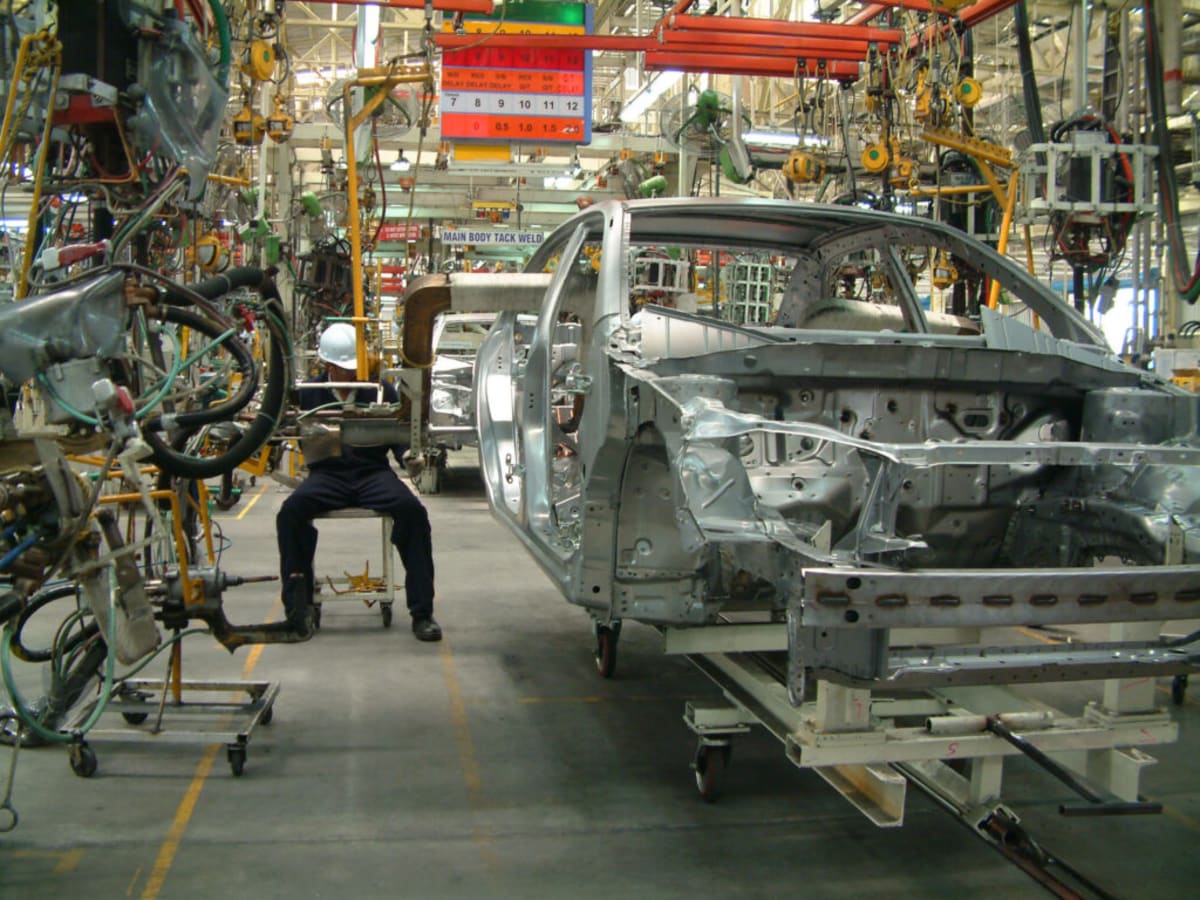
India's push toward electric vehicles isn't just about cleaner air. It's about reinventing an industry that already employs over 30 million people and contributes 7% to the nation's economy.
The country's automotive sector hit $240 billion in turnover last year, selling 28 million vehicles. But there's a costly problem: India spent $150 billion importing oil and gas in 2025 alone, leaving the economy vulnerable to global price swings.
Road transport emissions have doubled since 2010 and now account for 12% of India's total carbon footprint. Without action, those emissions could quadruple by 2050, making the shift to electric vehicles both an environmental and economic necessity.
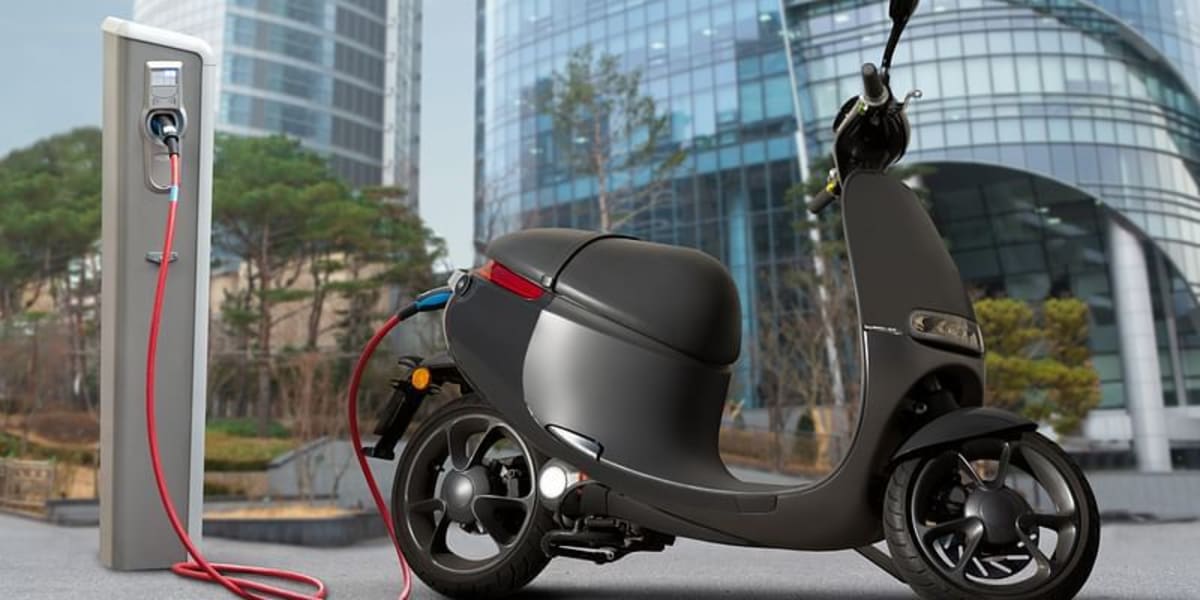
The government is already accelerating change through programs like FAME and PM E-DRIVE, offering purchase incentives and manufacturing support. These policies aim to build homegrown electric vehicle production and reduce dependence on imported fuel.
A groundbreaking new study examines what would happen if India achieves 100% electric vehicle adoption by 2047. Researchers compared this scenario against business as usual to understand the full economic, employment, and climate impacts.
The transition promises new opportunities in battery manufacturing, charging infrastructure, and recycling operations. These emerging sectors could generate high-skill jobs in advanced manufacturing and technical services, creating pathways for workers to upgrade their expertise.
Traditional internal combustion engine manufacturers and fuel retailers face challenges as demand shifts. The ripple effects will touch adjacent industries like repair shops and parts suppliers, requiring careful planning to support workers through the change.
The Ripple Effect
India's vision extends beyond transportation. The country aims for energy independence by 2047 and net zero emissions by 2070, part of the Atmanirbhar Bharat initiative for national self-reliance.
Electric mobility fits within a broader transformation toward renewable energy and green hydrogen. High-tech manufacturing already represents 46% of India's industrial output, showing the economy is successfully pivoting toward innovation-driven growth.
The automotive industry's 7% annual growth demonstrates strong momentum. With the right policy support and financial investment, India could turn its third-largest employment sector into a global leader in clean transportation technology.
Evidence-based planning will be crucial for managing the transition smoothly. Workers in declining sectors need retraining programs, while emerging industries require skilled talent to scale up production and infrastructure.
India's electric vehicle revolution shows how climate action and economic growth can move forward together, creating millions of opportunities along the way.
More Images
Based on reporting by Google News - Economic Growth
This story was written by BrightWire based on verified news reports.
Spread the positivity!
Share this good news with someone who needs it