India's First Dark Sky Village Opens Milky Way Tourism
A tribal village in Maharashtra has eliminated light pollution so successfully that visitors can now see the Milky Way with the naked eye. Udhamal is transforming its naturally dark skies into a new kind of tourism that protects nature while welcoming stargazers.
In a remote corner of Maharashtra's Nashik district, a tribal village has turned its darkness into light.
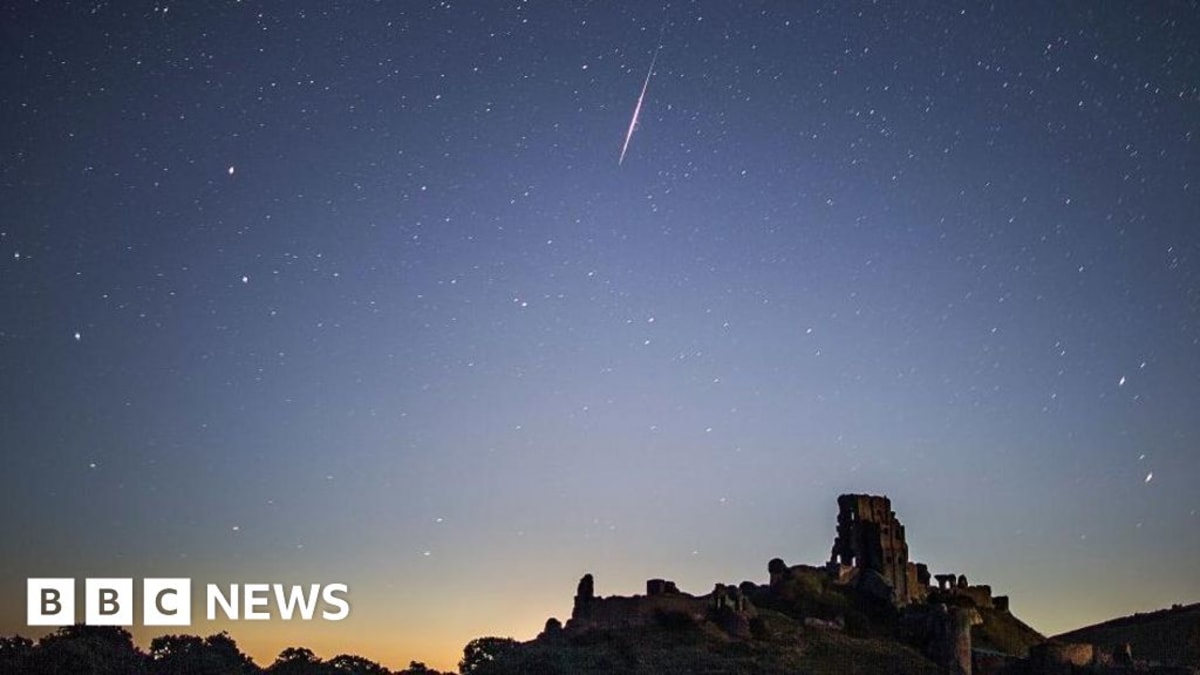
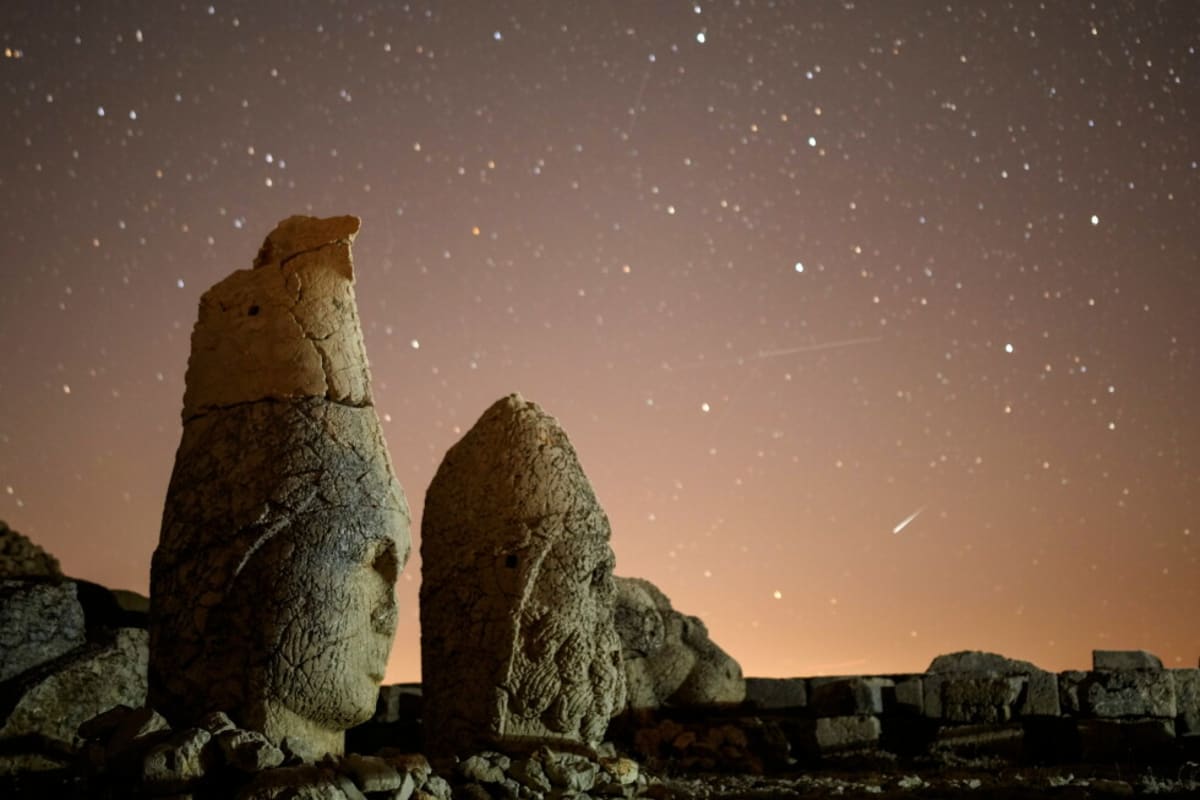
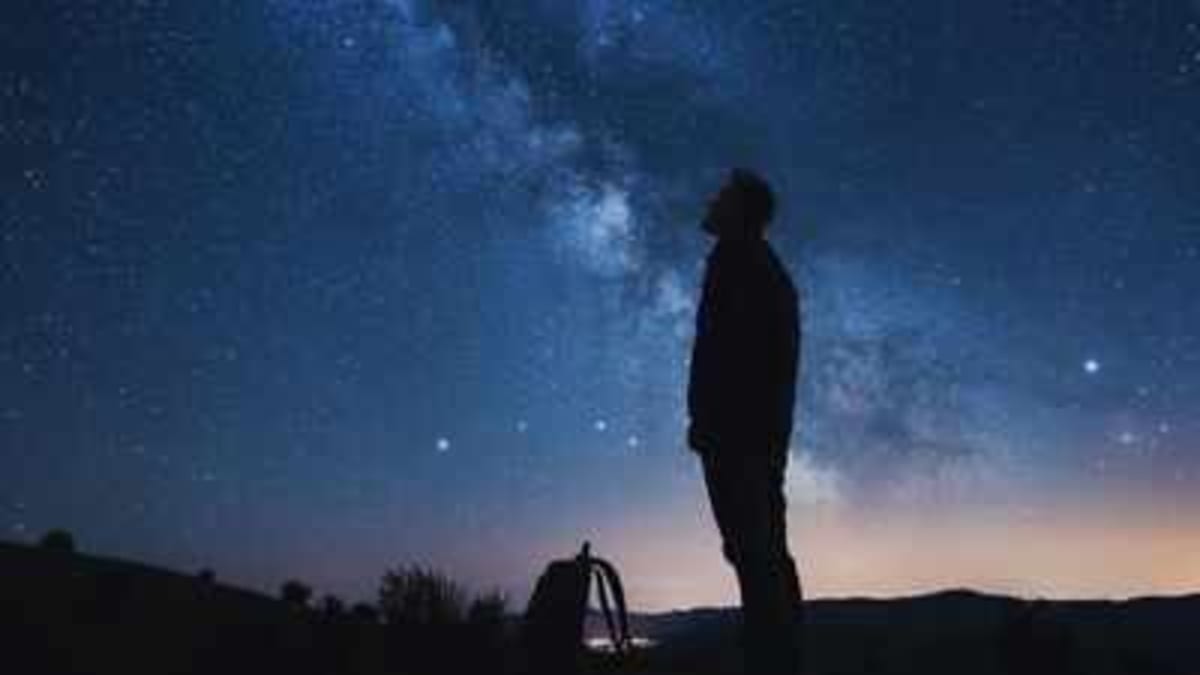
Udhamal village in Surgana has become India's first Dark Sky Community, where the absence of artificial light reveals a spectacular natural treasure. On clear nights, visitors can see the Milky Way stretching across the sky, along with thousands of stars invisible in most populated areas.
The designation means the village has committed to protecting its night sky through careful lighting policies. Unlike cities where streetlights and buildings create a constant glow, Udhamal maintains darkness that allows the universe to shine through.
Dark Sky Communities aren't just about turning off lights. According to DarkSky International, villages earning this status must adopt special lighting rules, educate residents about preserving natural darkness, and retrofit public lights to minimize sky pollution.
Udhamal's location in the tribal belt makes it perfect for this initiative. The area already has minimal development and low population density, giving it a natural advantage in maintaining dark skies.
The village is now preparing to welcome a new kind of tourist. Instead of building large resorts or attractions, Udhamal is focusing on experiences centered around the night sky: guided stargazing sessions, astronomy education, constellation identification, and night photography.
The Ripple Effect
This initiative could reshape tourism in Nashik's tribal regions. While the district already attracts visitors to vineyards, temples, and heritage sites, dark sky tourism offers something completely different.
Stargazers visiting Udhamal will likely support local businesses, creating economic opportunities without requiring massive infrastructure projects. The model shows how communities can build sustainable tourism around preservation rather than construction.
The best viewing season runs from October through April, when clear skies and comfortable temperatures make outdoor observation ideal. The monsoon months of July and August bring clouds and rain that obscure the stars.
Getting there requires some planning. Udhamal sits about 90 to 100 kilometers from Nashik Road railway station, and visitors typically drive through Surgana to reach the village. The nearest airport is in Nashik, though Mumbai's international airport offers more flight options.
The wider Surgana region remains relatively unknown to mainstream tourists, which has helped preserve its natural character. As light pollution continues spreading across India, places like Udhamal become increasingly rare and valuable.
After sunset, the landscape transforms into an outdoor planetarium where the cosmos becomes visible.
More Images



Based on reporting by Times of India - Good News
This story was written by BrightWire based on verified news reports.
Spread the positivity!
Share this good news with someone who needs it