India's First Licensed Woman Skydiver From Andhra Pradesh
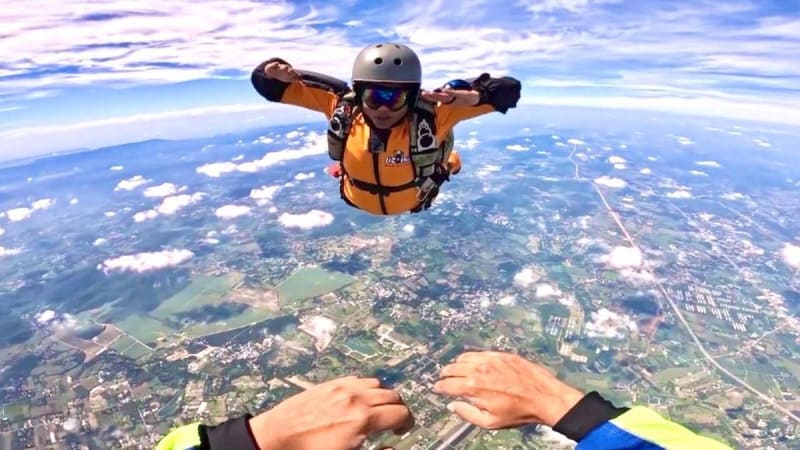
At 37, Divya Surepalli became Andhra Pradesh's first licensed civilian woman skydiver, joining fewer than 20 women nationwide who've pursued the sport beyond a single tandem jump. Her journey from environmental engineer to certified solo skydiver cost ₹5 lakh and required training across three countries.
When weather canceled Divya Surepalli's planned tandem jump in the United States, disappointment turned into determination. The setback planted a bigger idea: earning her license to jump solo.
In 2024, the 37-year-old environmental engineer from Visakhapatnam achieved what fewer than 20 Indian women have accomplished. She became Andhra Pradesh's first licensed civilian woman skydiver in a sport that barely exists on India's civilian map.
Her path to certification stretched across Moscow and Thailand. Divya started her Accelerated Freefall course at Drop Zone Krutitcy outside Moscow, traveling with Shweta Parmar, one of India's pioneering civilian women skydivers.
When weather turned harsh, she relocated to Thailand to complete the remaining jumps. To earn an A license, she needed 25 jumps, written assessments, freefall and canopy control skills, group jumps, and the ability to pack her own parachute.
The training tested more than her physical abilities. Midway through her course, a severe spin during freefall shattered her confidence. She withdrew to her hostel, questioning whether to continue.
Her instructor Alex Troshyn tracked her down and reminded her that setbacks are part of training, not failure. That conversation brought her back to the sky.
In Thailand, shifting winds once forced her to choose between landing on an asbestos roof, entering a swamp, or aiming for trees. Training had been clear: avoid water at all costs. She aimed for the trees and landed safely, though the moments before impact tested every skill she'd learned.
Why This Inspires
Divya describes herself as shy, quiet, and ambiverted, traits that seem opposite to what people expect from skydivers. The sport changed how she sees herself and responds to pressure.
"There is a heightened awareness that carries into everyday life," she says. "It has helped me become clear about what deserves attention and what does not."
Her mother's support came with conditions: video calls before and after every jump. That reassurance mattered to both of them and turned concern into connection.
The barriers remain high for aspiring Indian skydivers. No drop zones in India currently issue civilian licenses, forcing everyone abroad for certification. Divya estimates her first license cost around ₹5 lakh, placing the sport out of reach for many.
She's now part of an informal network of civilian women skydivers in India who share advice, training experiences, and encouragement. Gender stereotypes in the male-dominated space are real, she notes, but so are the allies who made a difference during moments of doubt.
With 29 jumps logged, Divya can now jump at affiliated drop zones worldwide without supervision, proving that the sky isn't just for the fearless but for anyone willing to push through doubt and land on the other side of courage.
Based on reporting by The Hindu
This story was written by BrightWire based on verified news reports.
Spread the positivity!
Share this good news with someone who needs it